As a supplier of round PTFE lined pipes, I often receive inquiries about the environmental impacts associated with their use. In this blog post, I'll delve into the various aspects of environmental considerations when using round PTFE lined pipes, providing a comprehensive analysis based on scientific facts and industry knowledge.
Understanding PTFE Lined Pipes
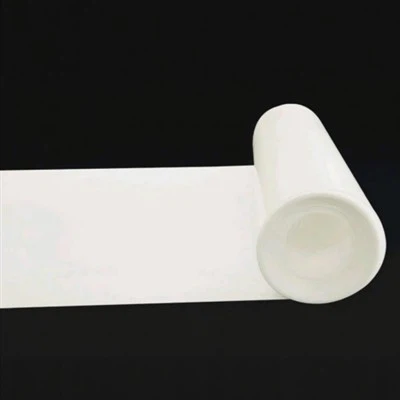
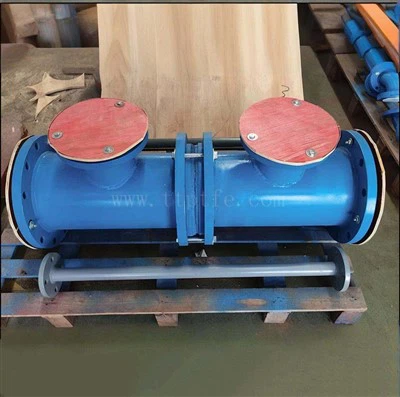
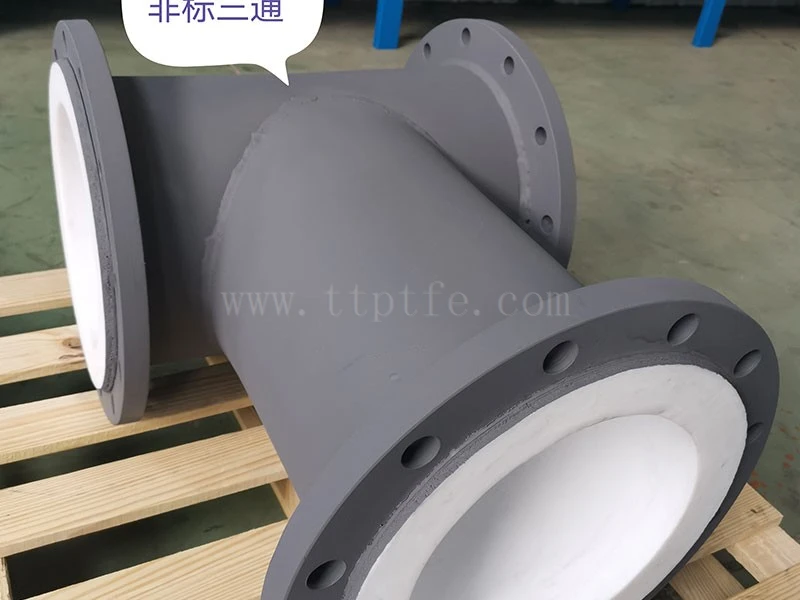
Before discussing the environmental impacts, it's essential to understand what PTFE lined pipes are. PTFE, or polytetrafluoroethylene, is a synthetic fluoropolymer known for its excellent chemical resistance, low friction coefficient, and high-temperature stability. Round PTFE lined pipes consist of a base pipe (usually made of carbon steel, stainless steel, or other metals) lined with a layer of PTFE. This lining provides a protective barrier between the transported fluid and the base pipe, preventing corrosion and ensuring the integrity of the piping system.
There are different types of PTFE lined products available in the market, such as Smooth Bore PTFE Lined Tube, PTFE Lined Pipe Fittings, and Anti Corrosion PTFE Teflon Tube. These products are widely used in various industries, including chemical processing, pharmaceuticals, food and beverage, and water treatment.
Positive Environmental Impacts
Corrosion Resistance and Leak Prevention
One of the most significant environmental benefits of using round PTFE lined pipes is their excellent corrosion resistance. Corrosion of traditional pipes can lead to the release of heavy metals and other contaminants into the environment. For example, in a chemical processing plant, a corroded metal pipe could leak toxic chemicals into the soil or water supply, causing severe environmental damage.
PTFE lined pipes, on the other hand, can withstand the corrosive effects of a wide range of chemicals, including acids, alkalis, and solvents. This reduces the risk of leaks and spills, protecting the environment from potential contamination. By preventing the release of harmful substances, PTFE lined pipes contribute to the preservation of natural resources and the protection of ecosystems.
Long Service Life
Round PTFE lined pipes have a long service life compared to traditional pipes. The PTFE lining provides a durable and wear-resistant surface, which can withstand the abrasive effects of the transported fluids. This means that PTFE lined pipes need to be replaced less frequently, reducing the amount of waste generated during the pipe's lifecycle.

In addition, the long service life of PTFE lined pipes also reduces the energy and resources required for pipe manufacturing and installation. Fewer pipes need to be produced, transported, and installed, resulting in lower carbon emissions and a reduced environmental footprint.
Energy Efficiency
PTFE has a low friction coefficient, which means that fluids can flow through PTFE lined pipes with less resistance. This results in lower energy consumption for pumping fluids, especially in large-scale industrial applications. By reducing energy consumption, PTFE lined pipes help to lower greenhouse gas emissions and contribute to a more sustainable energy future.
Negative Environmental Impacts
Production Process
The production of PTFE involves several chemical processes, which can have environmental impacts. The raw materials used in PTFE production, such as fluorspar and chloroform, are finite resources. The extraction and processing of these raw materials can cause environmental damage, including habitat destruction, soil erosion, and water pollution.
In addition, the production of PTFE requires a significant amount of energy, mainly in the form of electricity and heat. The energy consumption associated with PTFE production contributes to greenhouse gas emissions and climate change.
Disposal
At the end of their service life, round PTFE lined pipes need to be disposed of properly. PTFE is a non-biodegradable material, which means that it does not break down naturally in the environment. If PTFE lined pipes are not disposed of correctly, they can end up in landfills, where they will remain for hundreds of years.
In some cases, PTFE can release toxic substances when exposed to high temperatures, such as during incineration. Therefore, special care needs to be taken when disposing of PTFE lined pipes to ensure that they do not pose a risk to the environment and human health.
Mitigating the Negative Impacts
Sustainable Production Practices
To reduce the environmental impacts of PTFE production, manufacturers can adopt sustainable production practices. This includes using renewable energy sources, such as solar and wind power, to reduce energy consumption and greenhouse gas emissions. Manufacturers can also implement recycling programs to recover and reuse the raw materials used in PTFE production, reducing the demand for virgin resources.
Proper Disposal and Recycling
Proper disposal and recycling of PTFE lined pipes are crucial to minimize their environmental impact. Some companies offer recycling services for PTFE products, which involve breaking down the PTFE into its raw materials and reusing them in new products. By recycling PTFE lined pipes, we can reduce the amount of waste sent to landfills and conserve natural resources.
Conclusion
In conclusion, the use of round PTFE lined pipes has both positive and negative environmental impacts. On the one hand, their corrosion resistance, long service life, and energy efficiency contribute to environmental protection by preventing leaks, reducing waste, and lowering energy consumption. On the other hand, the production process and disposal of PTFE lined pipes can have negative environmental consequences.
As a supplier of round PTFE lined pipes, we are committed to promoting sustainable practices in the industry. We encourage our customers to consider the environmental impacts of their piping systems and choose products that are both effective and environmentally friendly. By working together, we can minimize the negative environmental impacts of PTFE lined pipes and maximize their benefits.
If you are interested in learning more about our round PTFE lined pipes or have any questions about their environmental impacts, please feel free to contact us. We look forward to discussing your needs and finding the best solutions for your projects.
References
- "Polytetrafluoroethylene (PTFE): Properties, Applications, and Environmental Impact" - Journal of Environmental Science and Technology
- "Corrosion Resistance of PTFE Lined Pipes in Chemical Processing" - Chemical Engineering Journal
- "Sustainable Production and Recycling of Fluoropolymers" - International Journal of Sustainable Manufacturing