

Are there any special installation requirements for a PTFE lined pipe?
As a seasoned supplier of PTFE lined pipes, I've encountered numerous inquiries regarding the installation requirements of these specialized pipes. PTFE, or polytetrafluoroethylene, is a high - performance fluoropolymer known for its excellent chemical resistance, low friction coefficient, and wide temperature tolerance. These properties make PTFE lined pipes a popular choice in various industries, including chemical processing, pharmaceuticals, and food and beverage.

Understanding PTFE Lined Pipes
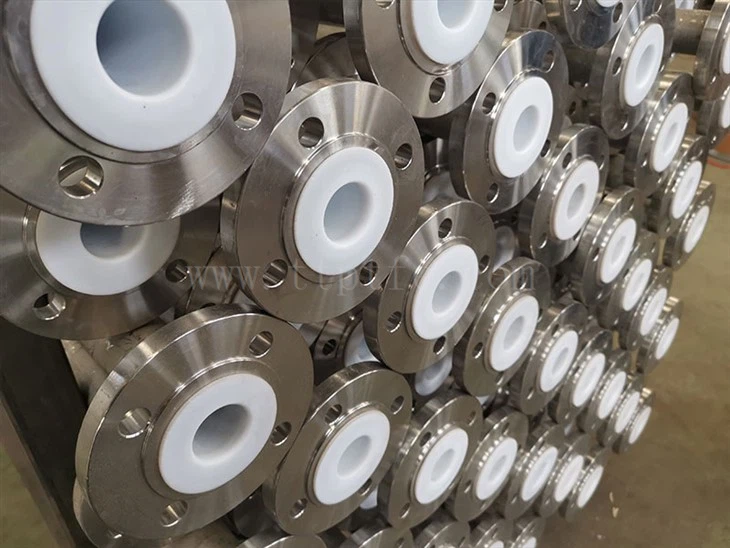
Before delving into the installation requirements, it's essential to understand what PTFE lined pipes are. These pipes consist of a base pipe, typically made of carbon steel, stainless steel, or other metals, and a PTFE lining that coats the inner surface of the pipe. The lining acts as a barrier between the conveyed fluid and the base pipe, protecting the pipe from corrosion and ensuring the purity of the fluid.
General Installation Precautions
- Surface Preparation
The base pipe must be properly prepared before installing the PTFE lining. Any rust, scale, or other contaminants on the inner surface of the pipe can affect the adhesion of the PTFE lining. The pipe should be thoroughly cleaned using methods such as sandblasting or chemical cleaning to achieve a smooth and clean surface. This step is crucial for ensuring a long - lasting and effective lining. - Handling
PTFE lined pipes are relatively fragile compared to unlined pipes. During handling, it's important to avoid any sharp impacts or scratches on the PTFE lining. Rough handling can cause damage to the lining, which may lead to leaks or reduced performance over time. Special care should be taken when lifting, transporting, and storing the pipes. - Environmental Conditions
The installation environment also plays a significant role. PTFE lining installation should be carried out in a clean and dry environment. High humidity or dusty conditions can contaminate the lining material and affect its quality. The temperature during installation should be within the recommended range for the PTFE material, usually between 10°C and 30°C.
Special Installation Requirements
- Joint Design
Proper joint design is critical for PTFE lined pipes. The joints should be designed to prevent leakage and ensure the integrity of the lining. There are several types of joints commonly used for PTFE lined pipes, such as flanged joints and welded joints.
- Flanged Joints: Flanged joints are a popular choice as they allow for easy disassembly and maintenance. When using flanged joints, it's important to use appropriate gaskets made of compatible materials, such as PTFE - encapsulated gaskets. The bolts should be tightened evenly to ensure a uniform seal. Uneven tightening can cause stress concentration on the lining, leading to damage.
- Welded Joints: Welding PTFE lined pipes requires special techniques. The welding process should be carefully controlled to avoid overheating the PTFE lining. Excessive heat can cause the PTFE to melt or degrade, compromising the performance of the lining. In some cases, a backing ring may be used to protect the lining during welding.
- Expansion and Contraction
PTFE has a relatively high coefficient of thermal expansion compared to metals. As the temperature of the conveyed fluid changes, the PTFE lining will expand or contract. To accommodate these dimensional changes, expansion joints may be required in the piping system. These joints allow the pipe to expand and contract freely without causing excessive stress on the lining or the base pipe. - Support and Alignment
PTFE lined pipes need proper support to prevent sagging or misalignment. Improper support can cause stress on the lining, leading to cracking or delamination. The supports should be designed to distribute the weight of the pipe and the fluid evenly. Additionally, the pipes should be accurately aligned during installation to ensure a smooth flow of the fluid and to prevent any unnecessary stress on the lining.
Advantages of Using PTFE Lined Pipes
Despite the special installation requirements, PTFE lined pipes offer numerous advantages. Their excellent chemical resistance makes them suitable for handling a wide range of corrosive chemicals, including acids, alkalis, and solvents. The low friction coefficient of PTFE reduces pressure drop in the piping system, resulting in energy savings. Moreover, PTFE is non - reactive and non - toxic, making it ideal for applications in the food and beverage and pharmaceutical industries.
Related Products
If you're interested in PTFE related products, we also offer Teflon Sleeving Tubing, PTFE Teflon Tubing, and Virgin Teflon Pipe. These products share similar properties with PTFE lined pipes and can be used in various applications.
Conclusion
In conclusion, while there are special installation requirements for PTFE lined pipes, these requirements are necessary to ensure the optimal performance and longevity of the pipes. By following the proper installation procedures, including surface preparation, joint design, and consideration of expansion and contraction, you can maximize the benefits of using PTFE lined pipes.
If you're considering purchasing PTFE lined pipes or have any questions about their installation and application, please feel free to contact us for more information. We're here to provide you with professional advice and high - quality products to meet your specific needs.
References
- "Handbook of Fluoropolymer Science and Technology"
- "Piping Design and Engineering"





