

As a supplier of DN800 tees, ensuring that our customers receive products of the highest quality is our top priority. A DN800 tee is a crucial component in many piping systems, and its quality can significantly impact the overall performance and safety of the system. In this blog post, I will share some essential steps on how to check the quality of a DN800 tee upon receipt.
Visual Inspection
The first step in checking the quality of a DN800 tee is a thorough visual inspection. Start by examining the exterior of the tee for any visible defects such as cracks, dents, or scratches. Cracks can be a serious issue as they can compromise the structural integrity of the tee and lead to leaks or failures in the piping system. Dents and scratches, while they may not always be critical, can still indicate potential issues during manufacturing or transportation.
Check the surface finish of the tee. A smooth and uniform surface finish is a good sign of quality manufacturing. Rough or uneven surfaces may suggest problems with the casting or machining processes. Also, look for any signs of corrosion or rust on the surface. Corrosion can weaken the material over time and reduce the lifespan of the tee.
Inspect the dimensions of the tee. The DN800 designation refers to the nominal diameter of the tee, which should be consistent with the specified standards. Use a measuring tape or caliper to check the outer and inner diameters, as well as the length of the branches. Any significant deviations from the specified dimensions can cause fitting problems and affect the performance of the piping system.
Material Verification
The material used in the DN800 tee plays a vital role in its quality and performance. Request the material certification from the supplier, which should include information about the chemical composition and mechanical properties of the material. Verify that the material meets the required standards for the intended application.
For example, if the tee is intended for use in a corrosive environment, the material should have appropriate corrosion resistance properties. Common materials for DN800 tees include carbon steel, stainless steel, and PTFE Lined Tees. PTFE lined tees offer excellent corrosion resistance and are suitable for a wide range of chemical applications.
You can also perform a simple hardness test to check the material's quality. A hardness tester can be used to measure the hardness of the tee's surface. The hardness value should be within the specified range for the material. If the hardness is too low, the tee may be prone to wear and deformation. If it is too high, the material may be brittle and more likely to crack.
Weld Quality Inspection
In many cases, DN800 tees are welded components. Check the quality of the welds, especially if the tee has welded branches. Look for any signs of weld defects such as porosity, lack of fusion, or cracks. Porosity can weaken the weld and make it more susceptible to corrosion. Lack of fusion means that the weld did not properly bond the materials together, which can lead to structural failures.
Inspect the weld bead for uniformity and smoothness. A well - formed weld bead should have a consistent width and height and be free of irregularities. You can also use non - destructive testing methods such as ultrasonic testing or magnetic particle testing to detect internal weld defects that may not be visible to the naked eye.
Pressure Testing
Pressure testing is an important step to ensure the integrity of the DN800 tee. The tee should be able to withstand the specified pressure without any leaks. There are two common types of pressure tests: hydrostatic testing and pneumatic testing.
Hydrostatic testing involves filling the tee with water and applying a specified pressure for a certain period. This method is preferred for most applications as it is safer and more reliable. During the test, carefully monitor the pressure gauge to ensure that the pressure remains stable. Check all the joints and connections for any signs of leakage. If there is a drop in pressure or any visible leaks, the tee may have a defect and should not be used.
Pneumatic testing uses air or another gas instead of water. This method is more sensitive and can detect smaller leaks, but it is also more dangerous as there is a risk of explosion if the pressure is not properly controlled. Therefore, pneumatic testing should only be performed by trained professionals following strict safety procedures.
Documentation Review
Review all the documentation provided with the DN800 tee. This includes the product specification sheet, inspection reports, and test certificates. The documentation should clearly state the manufacturing standards, material properties, and test results. Make sure that all the information is consistent with the requirements of your project.
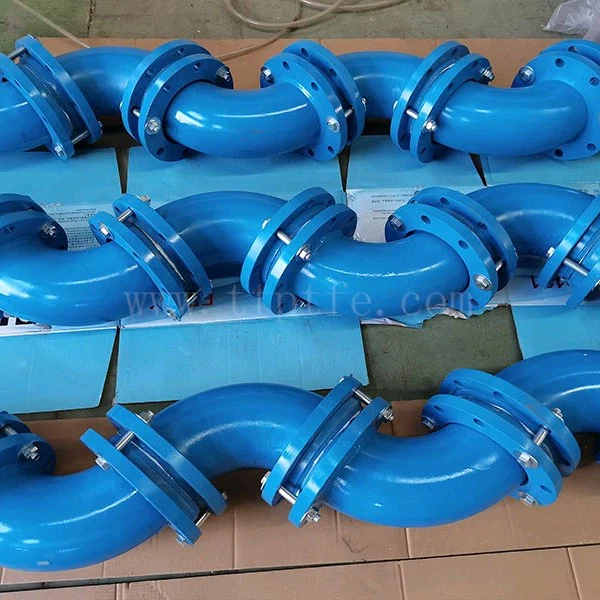

For example, if the project requires the tee to meet a specific industry standard such as ASME or ASTM, the documentation should confirm that the tee has been manufactured and tested according to these standards. Any discrepancies in the documentation may indicate a problem with the product or the supplier.
Compatibility Check
Before installing the DN800 tee, check its compatibility with the rest of the piping system. Consider factors such as the material of the pipes, the type of fluid or gas that will flow through the system, and the operating conditions (temperature, pressure, etc.).
If the tee is not compatible with the pipes, it can lead to problems such as galvanic corrosion or improper sealing. For example, if the pipes are made of stainless steel and the tee is made of carbon steel, there may be a risk of galvanic corrosion at the joint. In such cases, appropriate measures such as using insulating gaskets or coatings should be taken.
Conclusion
Checking the quality of a DN800 tee upon receipt is a comprehensive process that involves visual inspection, material verification, weld quality inspection, pressure testing, documentation review, and compatibility check. By following these steps, you can ensure that the tee you receive meets the required standards and is suitable for your application.
At our company, we take great pride in providing high - quality DN800 Tee and other Lined Pipe Fittings. Our products are manufactured using the latest technology and strict quality control measures. If you are in the market for DN800 tees or other piping components, we invite you to contact us to discuss your specific requirements. We are committed to providing you with the best products and services to meet your needs.
References
- ASME Boiler and Pressure Vessel Code.
- ASTM International Standards for Piping Components.
- Manufacturer's Product Documentation for DN800 Tees.


