

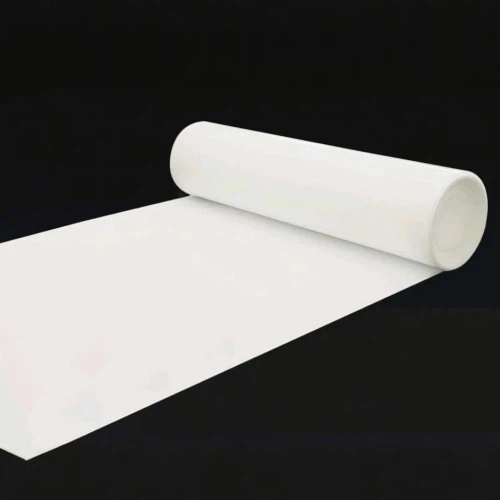
PTFE (Polytetrafluoroethylene), well - known by its brand name Teflon, is a remarkable plastic material highly sought - after for its unique properties such as excellent chemical resistance, low friction coefficient, and high thermal stability. Our company is a trusted plastic PTFE plate supplier, offering a diverse range of PTFE products including PTFE Teflon Sheet for Slide Plate, Virgin Pure PTFE Plate, and PTFE Teflon Plate Sheet. However, one common issue that users may encounter is the deformation of PTFE plates during use. In this blog, we will discuss several effective ways to prevent such deformation.
Understanding the Causes of Deformation
Before delving into prevention methods, it's essential to understand what causes PTFE plates to deform. There are mainly three factors: temperature, mechanical stress, and chemical environment.
PTFE has a relatively low melting point compared to some other engineering plastics. When exposed to high temperatures close to or above its melting point (around 327°C), it will start to soften and lose its shape. Even at moderate - high temperatures, long - term exposure can lead to creep, which is a slow and continuous deformation under a constant load.
Mechanical stress also plays a significant role in plate deformation. Excessive pressure, uneven loading, or sudden impacts can cause the PTFE plates to bend, warp, or crack. For example, if a heavy object is placed unevenly on a PTFE plate, the concentrated stress can lead to local deformation.
The chemical environment can influence the performance of PTFE. Although PTFE is highly resistant to most chemicals, some harsh chemicals, especially at high temperatures, may react with it or cause swelling, which can result in deformation.
Temperature Management
One of the most effective ways to prevent PTFE plate deformation is to manage the temperature properly.
First, select the appropriate grade of PTFE material according to the working temperature. Different grades of PTFE have different temperature - resistant properties. Our Virgin Pure PTFE Plate offers good general - purpose temperature resistance. However, for applications with extremely high temperatures, you may need to consider modified PTFE materials that have enhanced heat - resistant capabilities.
Second, install proper cooling systems if the working environment has a high - temperature source. For instance, in industrial machinery where PTFE plates are used, fans or cooling jackets can be installed to keep the temperature of the plates within a safe range. Regularly monitor the temperature using temperature sensors. If the temperature approaches the critical level, take immediate measures to reduce it, such as shutting down the equipment temporarily or increasing the cooling capacity.
Finally, avoid sudden temperature changes. Rapid heating or cooling can cause thermal stress within the PTFE plate, leading to deformation. If possible, allow the equipment and the PTFE plates to warm up or cool down gradually.
Mechanical Design and Installation
Proper mechanical design and installation are crucial for preventing deformation caused by mechanical stress.
When designing the application, ensure that the load on the PTFE plate is evenly distributed. Use support structures or backing plates to spread the load. For example, if the PTFE plate is used as a sliding surface, make sure the guide rails or supports are well - aligned and provide uniform support. This can prevent local stress concentrations that may lead to deformation.
When installing the PTFE plate, follow the correct installation procedures. Avoid over - tightening the fasteners, as this can cause internal stress in the plate. Use appropriate gaskets or spacers to ensure a proper fit and prevent any misalignment that could lead to uneven loading.
In addition, protect the PTFE plate from sudden impacts. Install protective guards or buffers around the plate in high - risk areas. For example, in a manufacturing environment where there is a risk of objects falling on the PTFE plate, use barriers to prevent direct impacts.
Chemical Compatibility and Protection
As mentioned earlier, the chemical environment can affect the PTFE plate. To prevent deformation due to chemical exposure:
Before using the PTFE plate, thoroughly understand the chemical substances it will come into contact with. Check the chemical compatibility of PTFE with these substances. Although PTFE has excellent chemical resistance, there are still some chemicals that may cause problems. If there is any doubt, consult the chemical manufacturer or conduct small - scale compatibility tests.
If the PTFE plate needs to be used in a harsh chemical environment, consider using chemical - resistant coatings or liners. These additional layers can provide an extra level of protection for the PTFE plate. Regularly inspect the plate for signs of chemical damage, such as discoloration, swelling, or surface deterioration. If any damage is detected, replace the plate immediately to prevent further deformation.

Quality Selection and Inspection
Choosing high - quality PTFE plates from a reliable supplier like ours is the foundation for preventing deformation. Our PTFE Teflon Plate Sheet is manufactured using strict quality control processes to ensure its performance and dimensional stability.
When receiving the PTFE plates, conduct a thorough inspection. Check for any visible defects such as cracks, scratches, or uneven surfaces. Measure the dimensions of the plate to ensure they meet the specified requirements. If any issues are found, contact the supplier immediately for replacement or further assistance.
Regular Maintenance
Regular maintenance is also an important part of preventing PTFE plate deformation.
Clean the PTFE plate regularly to remove any dirt, debris, or chemical residues that may accumulate on its surface. Use a mild cleaning agent and a soft cloth to avoid scratching the plate. Inspect the plate for signs of wear, deformation, or damage during the cleaning process.
Check the installation and support structures regularly to ensure they are still in good condition. Tighten any loose fasteners and realign any misaligned parts. This can prevent the development of additional stress on the PTFE plate over time.
In conclusion, preventing the deformation of plastic PTFE plates requires a comprehensive approach that includes proper temperature management, mechanical design and installation, chemical compatibility consideration, quality selection, and regular maintenance. By following these guidelines, you can significantly extend the service life of PTFE plates and ensure their optimal performance.
If you are interested in purchasing high - quality PTFE plates or have any questions about preventing deformation, please feel free to contact us for further discussions and to initiate a procurement negotiation. We are committed to providing you with the best products and solutions.
References
- "Modern Plastics Encyclopedia", McGraw - Hill.
- "Handbook of PTFE Technology", Technomic Publishing.
- Research papers on PTFE material properties and applications from academic databases.
