If you've ever worked with industries that handle super tricky chemicals, extreme temperatures, or materials that just don't play nice with regular pipes, you've probably heard of PTFE lined tubing. I'm Alex, and I've been part of the PTFE lined tubing supplier game for over 8 years now-trust me, this stuff is a total unsung hero. It's not just some fancy plastic wrap; it's a workhorse that solves problems regular steel, PVC, or copper pipes can't touch. Today, I'm breaking down the industries that rely on this bad boy the most, and why they can't function without it.
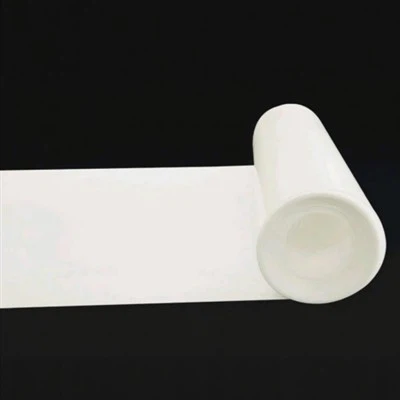
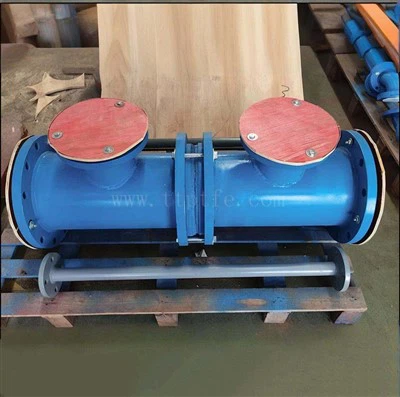
First off, let's get real about what PTFE lined tubing even is, for anyone who's new here (no boring tech jargon, promise). PTFE is that Teflon material everyone knows-you remember non-stick pans? Same core stuff. But when it's lined inside a pipe (usually steel or carbon steel, by the way-check out our Carbon Steel PTFE Lined Pipe to see exactly what I mean), you get the best of both worlds: the strong, rigid structure of metal outside, and the non-reactive, chemical-resistant PTFE on the inside that never touches your fluid. It's like having a tough bodyguard and a super gentle, non-contaminating interior all in one.
First industry on the list: pharmaceutical and biotech. If you work here, you know contamination is basically a cardinal sin. A single wrong chemical reaction, a tiny bit of leftover material from a previous run, or a pipe that eats itself from harsh drugs can tank a whole batch of medicine or even endanger patients. That's why every inch of tubing and piping in these facilities is often PTFE lined. Think about it-these guys handle things like hydrochloric acid for cleaning equipment, highly reactive APIs (active pharmaceutical ingredients), and even sterile water for injections. Regular steel pipes would rust, contaminate the water, or corrode so bad they'd need replacing every couple months. PTFE, though? It's inert, so it won't react with almost any pharmaceutical chemicals. It also doesn't leach any weird stuff into your product, which is non-negotiable for FDA compliance. We've hooked up a ton of small biotechs and big pharma players with PTFE Lined Pipe Fittings for their reactor lines and transfer systems-those fittings seal tight too, no leaks, which is critical when you're moving expensive, sensitive materials.
Next up: chemical manufacturing. This is probably the biggest user of PTFE lined tubing, no cap. Chemical plants deal with every kind of corrosive substance you can name-strong acids, bases, solvents, even some really aggressive industrial chemicals that would eat through standard pipes in days. Let's say a plant is making fertilizer, or cleaning products, or specialty industrial solvents. They need to move these stuff from storage tanks to reaction vessels, then to packaging, without any leaks or breakdowns. PTFE lined tubing can handle PH levels from like 0 all the way up to 14-so it's perfect for both super strong acids (like sulfuric acid, which is common in battery making) and super strong bases (like sodium hydroxide). Plus, it stands up to high temperatures too-many chemical processes run at 300+ degrees Fahrenheit, and PTFE doesn't melt or break down there. We get a lot of requests for our Anti Corrosion PTFE Teflon Tube for these plants-they love that it doesn't rust, so even after years of use, the pipe still looks and works like new, no replacement costs every few months. That's a huge win for their bottom line, too.
Food and beverage might surprise you, but this industry uses PTFE lined tubing all the time. Wait, why? You don't usually think of food as corrosive, but some stuff is super harsh, especially when you're mass producing. Let's take brewing beer, for example. Breweries handle things like fruit acids for sours, cleaning chemicals (like caustic soda for deep cleaning tanks after batches), and even high-proof alcohol. Those caustic cleaners are no joke-regular steel pipes would corrode after a lot of exposure, which would get metal shavings into your beer. And don't forget about wineries-they work with strong sulfates, acids from grapes, and again, those harsh cleaning products. PTFE lined tubing is non-toxic, FDA-approved for food contact, so it won't contaminate the beer, wine, soda, or whatever else you're making. We've also worked with snack food plants that handle things like sticky syrups or spicy seasonings-PTFE's slippery surface means those thick, messy materials don't get stuck in the pipe, which makes cleaning way easier. No more goop building up and causing cross-contamination between batches. That's a huge relief for F&B plants that have to switch flavors often.
Semiconductor manufacturing is another one. This is a super high-stakes, super niche industry-if you've ever owned a phone or a computer, you rely on semiconductors. The process of making semiconductors is wild: you use ultra-pure chemicals (called photoresists, etchants, cleaning agents) that are basically the most pure substances on Earth, and even a tiny impurity would ruin a $10,000 silicon wafer. PTFE lined tubing is perfect here because it doesn't leach any particles or chemicals into the flow, and it can handle the super corrosive etchants used to pattern the wafers. Also, semiconductor facilities are kept in super controlled environments (clean rooms) where even a single dust particle is bad. PTFE tubing doesn't shed particles like some other plastics would, so it keeps the process clean. And let's not forget the temperatures-some of these processes run at extreme heat, so PTFE's temperature resistance is key here too. We've sent a lot of our Round PTFE Lined Pipe for semiconductor tool lines-they need that perfect, round interior to keep flow consistent, which is crucial for uniform wafer processing.
Oil and gas, especially the midstream and downstream parts, also use PTFE lined tubing a lot. Upstream is drilling, midstream is transporting crude oil and natural gas, downstream is refining it into gasoline, diesel, etc. Refineries handle all kinds of corrosive byproducts from crude oil-like hydrogen sulfide, which is super toxic and corrosive. They also use chemicals to process the crude, and need to move those around safely. PTFE lined tubing stands up to those corrosive byproducts way better than regular carbon steel, which would rust and crack from hydrogen sulfide. Plus, oil and gas pipes often have to handle pressure-PTFE lined steel pipes are strong enough for high-pressure lines, so they don't burst, which is a huge safety thing. We've worked with several refineries to replace their old steel pipes that were corroding too fast with our Plastic PTFE Lined Steel Pipe-they saved so much money on maintenance and replacement costs after switching over.


Wait, let's not forget power generation, specifically nuclear power plants and even some renewable energy stuff like geothermal plants. Nuclear plants need to handle radioactive materials and the harsh chemicals used to cool reactors and clean equipment. PTFE is resistant to radiation too, so it won't break down when exposed to radioactive stuff, which is a big deal. Geothermal plants use hot, mineral-rich water that's super corrosive because of all the minerals and heat-PTFE lined tubing handles that without any issues, whereas regular pipes would get clogged with mineral deposits and corrode. Even solar thermal plants, which use mirrors to heat water or fluid to make power, need pipes that can handle high temps and any chemicals used in the heat transfer fluid. PTFE is perfect for all that.
Now, I know some people might be thinking, "Wait, can't I just use regular plastic pipes for this?" No, not really. Regular PVC or HDPE can't handle the high pressures, high temps, or harsh chemicals these industries need. And if you use a regular metal pipe, you risk contamination, leaks, or pipes breaking down all the time. That's why PTFE lined tubing is such a specific, essential product for these industries- it bridges the gap between strength and chemical resistance in a way no other material does.
From what I've seen over the years, the biggest mistake people make when choosing piping is underestimating how harsh their fluids or processes are. They go for the cheapest option upfront, but end up paying way more in maintenance, replacements, and even product loss if a pipe leaks or contaminates a batch. PTFE lined tubing might cost a bit more initially, but it lasts way longer, reduces downtime, and keeps your product safe-so it's a total long-term investment.
If you're in any of these industries I talked about-pharmaceuticals, chemical manufacturing, food and beverage, semiconductors, oil and gas, power generation-and you're dealing with corrosion, contamination, or pipe failure, I'm here to help. We work with all kinds of clients, from small startups to huge multinational corporations, to find the right PTFE lined tubing for their specific needs. Whether you need standard carbon steel lined pipe, anti-corrosion Teflon tubes, round pipes, or the right fittings, we've got you covered. Just reach out, and we can chat through your project requirements, answer any questions, and get you a custom quote that fits your budget.