

Hey there! As a supplier of PTFE lined pipes, I often get asked about the aging resistance of these pipes. It's a crucial topic, especially for those who rely on these pipes in their industrial processes. So, let's dive right into it and explore what the aging resistance of a PTFE lined pipe really means.
What is PTFE?
First off, let's quickly go over what PTFE is. PTFE, or polytetrafluoroethylene, is a synthetic fluoropolymer. You might know it by the brand name Teflon. It's got some amazing properties that make it super popular in a whole bunch of industries. It's highly resistant to chemicals, has a low friction coefficient, and can withstand a wide range of temperatures.
Why Aging Resistance Matters
In industrial applications, pipes are often exposed to all sorts of harsh conditions. They can be in contact with corrosive chemicals, high temperatures, and high pressures for long periods. Over time, these conditions can cause wear and tear on the pipes. If a pipe doesn't have good aging resistance, it can start to degrade. This can lead to leaks, reduced performance, and even safety hazards. So, having a PTFE lined pipe with good aging resistance is essential for ensuring the long - term reliability of your industrial systems.
Factors Affecting the Aging Resistance of PTFE Lined Pipes
Chemical Exposure
One of the biggest factors is the chemicals that the pipe comes into contact with. PTFE is known for its excellent chemical resistance, but some extremely reactive chemicals can still have an impact over time. For example, certain strong oxidizing agents can cause some degree of degradation. However, compared to other materials, PTFE holds up pretty well. When we're talking about chemical aging, it's important to consider the concentration and temperature of the chemicals. Higher concentrations and temperatures usually speed up the aging process.
Temperature
Temperature plays a huge role in the aging of PTFE lined pipes. PTFE can handle a wide range of temperatures, from extremely cold to pretty hot. But continuous exposure to high temperatures can cause the PTFE to start to break down. At very high temperatures, the molecular structure of PTFE can change, which can lead to a decrease in its mechanical properties. On the other hand, very low temperatures can make the PTFE more brittle, increasing the risk of cracking.
Mechanical Stress
Mechanical stress, like pressure and vibration, can also affect the aging resistance of PTFE lined pipes. High pressure can cause the PTFE lining to deform, and over time, this deformation can lead to cracks and leaks. Vibration can cause fatigue in the PTFE, weakening it gradually.
How to Assess the Aging Resistance of PTFE Lined Pipes
Laboratory Testing
One way to evaluate the aging resistance is through laboratory testing. We can expose small samples of the PTFE lined pipe to different conditions, such as specific chemicals, temperatures, and pressures, for a set period of time. Then, we can measure changes in properties like hardness, tensile strength, and chemical composition. This gives us an idea of how the pipe will perform under real - world conditions.
Field Monitoring
Another method is field monitoring. By installing sensors in the pipes and monitoring them over time in actual industrial settings, we can gather data on how the pipes age. This data can be used to make predictions about the remaining lifespan of the pipes and to plan for maintenance or replacement.
Benefits of Our PTFE Lined Pipes' Aging Resistance
As a supplier, we take great pride in offering PTFE lined pipes with excellent aging resistance. This means that our customers can rely on these pipes for a longer time. They don't have to worry about frequent replacements, which saves them money in the long run. Also, it reduces the downtime of their industrial processes because they don't have to stop operations to replace pipes as often.
Example Applications
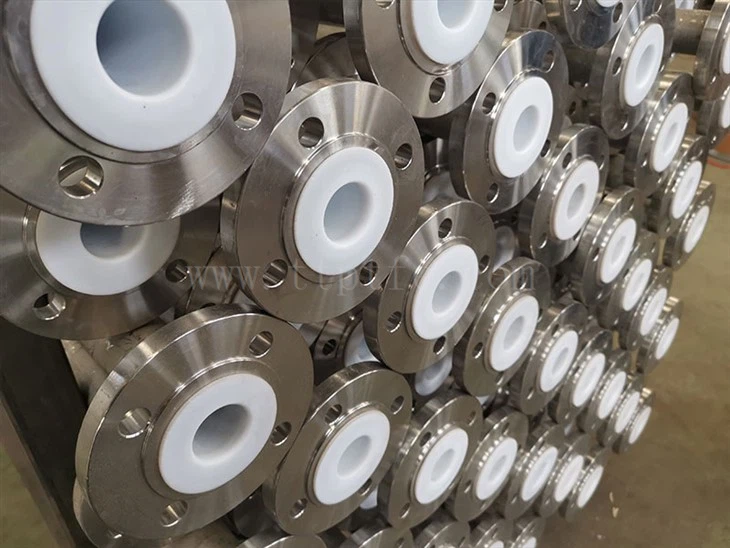
Our PTFE lined pipes are used in many different industries. In the chemical industry, they're used to transport corrosive chemicals. Thanks to their great aging resistance, they can keep doing this job for years without significant degradation. In the food and beverage industry, where hygiene and reliability are key, our PTFE lined pipes maintain their performance over time, ensuring a safe and continuous production process.

Related Products
If you're interested in PTFE products, we also have some related options. Check out our Teflon Sleeving Tubing. It's great for applications where you need a flexible and chemically resistant tubing. We also have Thin Wall PTFE Tubing, which is ideal for applications where space is limited. And of course, our PTFE Tubing is a versatile option for a wide range of uses.
Conclusion and Call to Action
In conclusion, the aging resistance of a PTFE lined pipe is a critical factor in its performance and reliability. Our PTFE lined pipes are designed to withstand the test of time, even in the toughest industrial environments. If you're in the market for high - quality PTFE lined pipes or related products, don't hesitate to reach out. We'd be more than happy to discuss your specific needs and how our products can meet them. Whether you're looking for a long - lasting solution for chemical transportation or a reliable tubing for your food processing operation, we've got you covered.
References
- Textbook on Polymer Materials Science
- Industry reports on PTFE applications in industrial piping systems
- Research papers on the aging mechanisms of fluoropolymers





