

What is the friction coefficient of plastic PTFE plate?
As a supplier of plastic PTFE plates, I often get asked about the friction coefficient of these remarkable materials. PTFE, or polytetrafluoroethylene, is a synthetic fluoropolymer known for its unique properties, including a very low friction coefficient. In this blog post, I'll delve into what the friction coefficient of a PTFE plate is, why it matters, and how it impacts various applications.
Understanding the Friction Coefficient
The friction coefficient is a measure of the resistance to relative motion between two surfaces in contact. It is a dimensionless quantity that represents the ratio of the frictional force between the two surfaces to the normal force pressing them together. A low friction coefficient indicates that the surfaces can slide past each other with minimal resistance, while a high friction coefficient means there is more resistance to movement.
PTFE is renowned for its extremely low friction coefficient, typically ranging from 0.04 to 0.15. This low value is due to the unique molecular structure of PTFE, which consists of carbon atoms surrounded by fluorine atoms. The fluorine atoms create a smooth, non - stick surface that reduces the adhesion between the PTFE and other materials.
Why the Friction Coefficient of PTFE Matters
The low friction coefficient of PTFE plates makes them highly desirable in a wide range of applications. Here are some of the key reasons why this property is so important:
1. Reduced Wear and Tear
In mechanical systems, friction can cause wear and tear on components over time. By using PTFE plates with a low friction coefficient, the amount of wear on moving parts is significantly reduced. This extends the lifespan of the equipment and reduces maintenance costs. For example, in bearings and bushings, PTFE can be used as a lining material to minimize friction and prevent premature failure.
2. Energy Efficiency
When two surfaces slide against each other with high friction, energy is wasted in the form of heat. PTFE's low friction coefficient allows for smoother movement, which in turn reduces the amount of energy required to operate machinery. This is particularly important in applications where energy conservation is a priority, such as in automotive and aerospace industries.
3. Non - Stick Properties
The low friction and non - stick nature of PTFE make it ideal for applications where materials need to be released easily. For instance, in the food industry, PTFE - coated pans are popular because they prevent food from sticking, making cooking and cleaning much easier. In industrial applications, PTFE plates can be used as liners in hoppers and chutes to prevent materials from sticking and clogging.
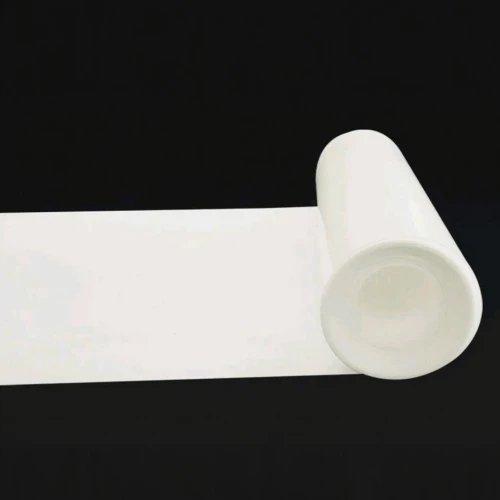

Applications of PTFE Plates Based on Friction Coefficient
1. Industrial Machinery
In industrial machinery, PTFE plates are used in a variety of applications. They can be used as slide bearings, where the low friction coefficient allows for smooth and efficient movement of parts. PTFE plates are also used in conveyor systems to reduce friction between the conveyor belt and the rollers, improving the overall efficiency of the system.
2. Automotive Industry
In the automotive industry, PTFE is used in engine components, such as piston rings and valve stem seals. The low friction coefficient of PTFE helps to reduce engine friction, which can improve fuel efficiency and performance. PTFE is also used in automotive interior parts, such as door hinges and seat tracks, to provide smooth operation.
3. Medical Devices
PTFE is widely used in medical devices due to its biocompatibility and low friction properties. It can be used in catheters, where the low friction allows for easy insertion and movement within the body. PTFE is also used in surgical instruments to reduce friction and prevent tissue damage.
Different Types of PTFE Plates and Their Friction Coefficients
There are several types of PTFE plates available, each with slightly different properties and friction coefficients.
PTFE Sodium Sheet
The PTFE Sodium Sheet is a special type of PTFE plate that has been treated with sodium to improve its adhesion properties. While the base PTFE has a low friction coefficient, the treatment may slightly affect the surface characteristics. However, it still maintains a relatively low friction coefficient, making it suitable for applications where both adhesion and low friction are required.
PTFE Teflon Plate Sheet
The PTFE Teflon Plate Sheet is a well - known type of PTFE plate. Teflon is a brand name for PTFE, and these plates are known for their excellent chemical resistance and low friction coefficient. They are commonly used in applications where chemical resistance and smooth movement are essential, such as in chemical processing plants.
Virgin Material PTFE Plate
The Virgin Material PTFE Plate is made from pure PTFE without any additives or fillers. This type of plate typically has the lowest friction coefficient among PTFE plates, as it has the purest form of the material. It is often used in high - performance applications where the lowest possible friction is required.
Factors Affecting the Friction Coefficient of PTFE Plates
While PTFE generally has a low friction coefficient, there are several factors that can affect this value:
1. Surface Roughness
The surface roughness of the PTFE plate and the mating surface can have a significant impact on the friction coefficient. A smoother surface will generally result in a lower friction coefficient. However, if the surface is too smooth, it may lead to a phenomenon called "stiction," where the surfaces stick together and require a large force to initiate movement.
2. Load
The load applied to the PTFE plate can also affect the friction coefficient. As the load increases, the friction coefficient may increase slightly due to the increased contact area between the surfaces. However, PTFE is known for its ability to maintain a relatively low friction coefficient even under high loads.
3. Temperature
Temperature can have an impact on the friction coefficient of PTFE. As the temperature increases, the PTFE material may become more flexible, which can affect the friction coefficient. In general, PTFE maintains its low friction properties over a wide range of temperatures, but extreme temperatures may cause some changes.
Contact Us for PTFE Plate Procurement
If you are in need of high - quality PTFE plates for your application, we are here to help. Our company offers a wide range of PTFE plates, including the PTFE Sodium Sheet, PTFE Teflon Plate Sheet, and Virgin Material PTFE Plate. We can provide you with detailed information about the friction coefficient and other properties of our PTFE plates to ensure that you choose the right product for your needs. Contact us to start a procurement discussion and find the best PTFE solution for your project.





