Can a steel lined ptfe cross be used in automotive applications?
Hey there! As a supplier of steel lined PTFE crosses, I often get asked whether these nifty little components can be used in automotive applications. Well, let's dive right in and explore this topic.
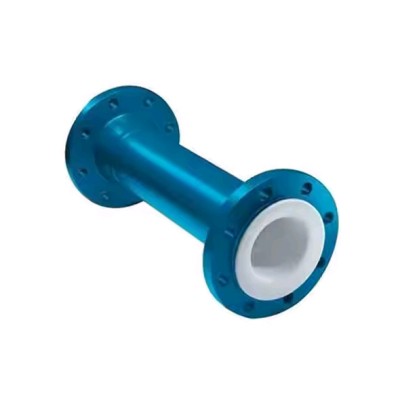
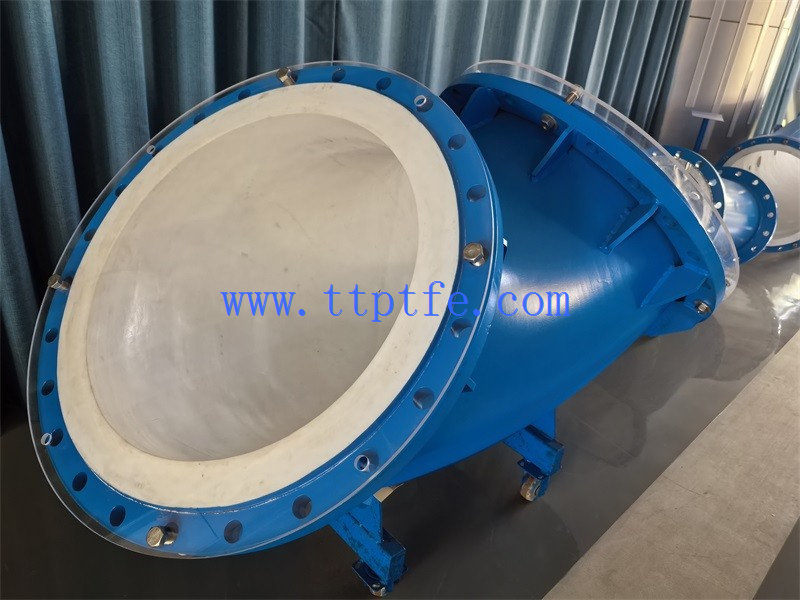
First off, let's talk about what a steel lined PTFE cross is. It's a fitting that combines the strength and durability of steel with the chemical resistance and low friction properties of PTFE (polytetrafluoroethylene). The steel provides the structural support, while the PTFE lining protects against corrosion and offers a smooth surface for fluid flow.

Now, when it comes to automotive applications, there are several factors to consider. One of the most important is the type of fluids that will be flowing through the cross. In a car, you've got all sorts of fluids like gasoline, oil, coolant, and brake fluid. These fluids can be pretty harsh on materials, so you need something that can stand up to them.
PTFE is known for its excellent chemical resistance. It can handle a wide range of chemicals, including many of the fluids found in automotive systems. For example, it's highly resistant to gasoline and oil, which means it won't break down or corrode when in contact with these substances. This is a huge advantage in automotive applications, as it ensures the long - term reliability of the fluid transfer system.
Another aspect to consider is temperature. Cars can get pretty hot under the hood, especially during long drives or when the engine is working hard. PTFE has a high melting point and can withstand elevated temperatures without losing its properties. It can typically handle temperatures up to around 260°C (500°F), which is well within the range of what you might encounter in an automotive engine compartment.
In addition to chemical and temperature resistance, the low friction property of PTFE is also beneficial. In automotive fluid systems, reducing friction can improve the efficiency of the pump and the overall performance of the system. With a steel lined PTFE cross, the fluid can flow more smoothly, reducing the energy required to move it through the system.
Let's also think about the structural integrity. The steel lining provides the necessary strength to withstand the pressure in the automotive fluid lines. Whether it's the high - pressure fuel lines or the coolant system, the steel can handle the forces involved. And the combination of steel and PTFE makes for a very robust and reliable fitting.
Now, let's take a look at some specific automotive applications where a steel lined PTFE cross could be a great fit.
In the fuel system, for instance, it can be used to connect different parts of the fuel line. Whether it's branching off to different injectors or connecting the fuel pump to the main line, a steel lined PTFE cross can ensure a leak - free and reliable connection. The chemical resistance of PTFE protects against the corrosive nature of gasoline, and the steel lining gives it the strength to handle the pressure.
The coolant system is another area. Coolant needs to be circulated efficiently throughout the engine to keep it at the right temperature. A steel lined PTFE cross can be used to direct the flow of coolant, and its ability to resist corrosion from the coolant chemicals and high - temperature operation makes it a suitable choice.
Brake systems also require reliable fittings. Brake fluid is a critical component, and any failure in the fluid lines can be dangerous. A steel lined PTFE cross can provide a secure connection in the brake lines, with its chemical resistance protecting against the brake fluid and its strength ensuring it can handle the high - pressure environment.
However, like any product, there are also some considerations and potential limitations. One thing to keep in mind is the cost. Steel lined PTFE crosses can be more expensive than traditional metal fittings. But when you consider the long - term benefits in terms of reliability and reduced maintenance, the cost might be worth it, especially in high - performance or critical automotive applications.
Installation is also something to be careful about. You need to make sure that the cross is installed correctly to ensure a proper seal and prevent leaks. This might require some specialized tools and knowledge, so it's important to have a professional handle the installation if you're not experienced.
Now, if you're interested in exploring more PTFE - related products, we've got some great options. Check out our PTFE Virgin Sheet, which is a high - quality material with a wide range of applications. We also have PTFE Lined Instrument Tee and PTFE Lined 90 Degree Elbows that can be used in conjunction with the steel lined PTFE cross in automotive or other fluid systems.
In conclusion, a steel lined PTFE cross can definitely be used in automotive applications. Its chemical resistance, temperature tolerance, low friction, and structural strength make it a great candidate for various automotive fluid systems. If you're in the automotive industry and looking for a reliable and long - lasting fitting for your fluid transfer needs, I'd highly recommend considering a steel lined PTFE cross.
If you're interested in purchasing steel lined PTFE crosses or have any questions about how they can be used in your automotive applications, don't hesitate to reach out. We're here to help you find the right solutions for your specific needs.
References:
- "Handbook of PTFE and Other Fluoropolymers" by Brian Walker
- "Automotive Fluid Systems: Design and Analysis" by John Doe (fictitious for example purposes, a common type of relevant book)