Can fluoroplastic pipes be used in medical equipment? That's a question I get asked a lot as a supplier of fluoroplastic pipes. In this blog, I'll share my insights on this topic, based on my experience in the industry and the latest scientific research.
First off, let's talk about what fluoroplastic pipes are. Fluoroplastics are a group of plastics that contain fluorine atoms. They're known for their excellent chemical resistance, high temperature resistance, and low friction coefficient. Some common types of fluoroplastics used in pipes include polytetrafluoroethylene (PTFE), perfluoroalkoxy alkane (PFA), and fluorinated ethylene propylene (FEP).
Now, why would we even consider using fluoroplastic pipes in medical equipment? Well, there are several reasons. One of the main advantages of fluoroplastic pipes is their chemical inertness. In medical applications, it's crucial that the materials used don't react with the substances they come into contact with. Whether it's drugs, bodily fluids, or cleaning agents, you don't want the pipe material to leach any harmful chemicals or contaminate the contents. Fluoroplastics are highly resistant to a wide range of chemicals, making them a great choice for medical fluid transfer.
Another important factor is biocompatibility. Medical equipment needs to be safe for use in or on the human body. Fluoroplastics have been shown to have good biocompatibility, which means they don't cause significant adverse reactions when in contact with living tissues. This is essential for applications such as catheters, where the pipe comes into direct contact with the patient's body.
Temperature resistance is also a key consideration. Some medical processes require the handling of fluids at high or low temperatures. Fluoroplastic pipes can withstand a wide range of temperatures without deforming or losing their properties. For example, PTFE can operate at temperatures from -200°C to +260°C, which makes it suitable for use in various medical devices, including those used in sterilization processes that involve high temperatures.
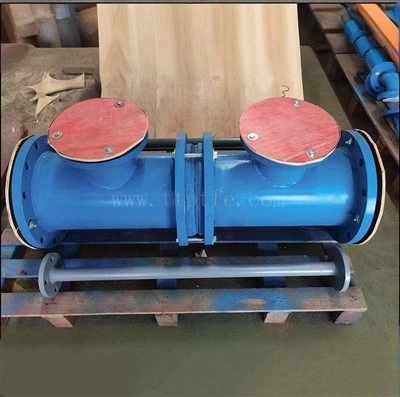
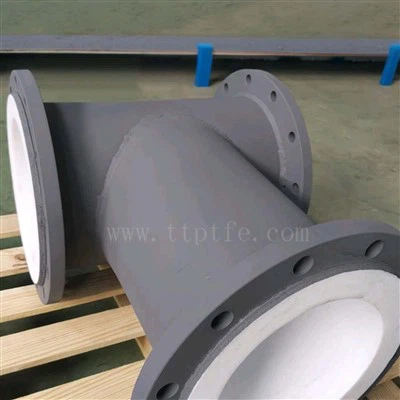
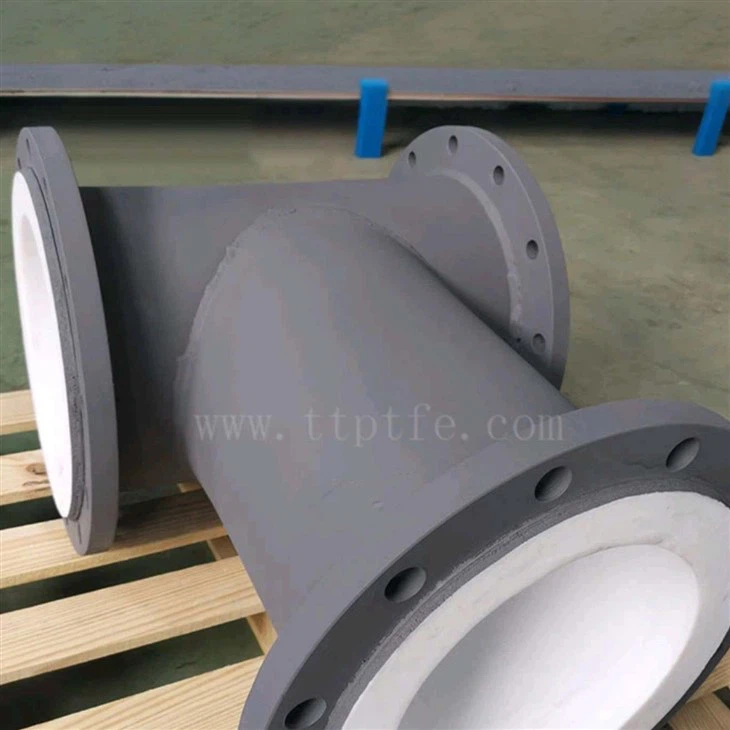
Let's take a look at some specific medical applications where fluoroplastic pipes can be used. One common use is in drug delivery systems. These systems need to accurately deliver medications to the patient, and the pipes used must be able to handle the specific drugs without degrading or reacting with them. Round PTFE Lined Pipe is often used in these applications because of its smooth inner surface, which allows for easy and precise fluid flow.
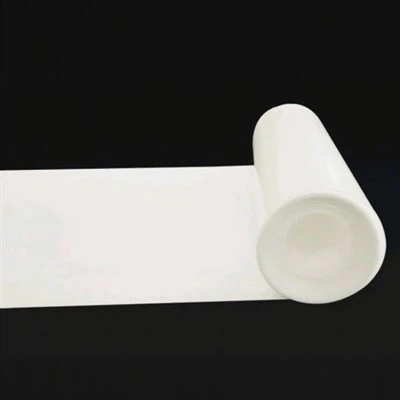
In addition to drug delivery, fluoroplastic pipes are also used in medical gas delivery systems. Oxygen, nitrogen, and other gases are commonly used in hospitals, and the pipes that transport these gases need to be leak-proof, non-reactive, and able to maintain a consistent flow. PTFE Teflon Tubing is a popular choice for medical gas delivery due to its excellent gas barrier properties and chemical resistance.
Another area where fluoroplastic pipes shine is in laboratory equipment. In medical research laboratories, there are often experiments that involve handling corrosive chemicals or high-purity substances. PTFE Pneumatic Tubing can be used to connect different components of the equipment, ensuring that the fluids or gases are transferred safely and without contamination.
However, it's not all sunshine and rainbows. There are also some challenges and limitations when using fluoroplastic pipes in medical equipment. One of the main issues is cost. Fluoroplastics are generally more expensive than other types of plastics, which can increase the overall cost of the medical equipment. This may be a concern for some manufacturers, especially those on a tight budget.

Another challenge is the difficulty of processing fluoroplastics. They have a high melting point and low viscosity, which makes them more difficult to mold and shape compared to other plastics. This can lead to longer production times and higher manufacturing costs.
Despite these challenges, the benefits of using fluoroplastic pipes in medical equipment often outweigh the drawbacks. With proper design and manufacturing processes, the cost and processing issues can be managed effectively.
In conclusion, fluoroplastic pipes can definitely be used in medical equipment. Their chemical resistance, biocompatibility, and temperature resistance make them a suitable choice for a variety of medical applications. As a supplier of fluoroplastic pipes, I've seen firsthand the positive impact these pipes can have on the performance and safety of medical devices.
If you're in the medical equipment manufacturing industry and are considering using fluoroplastic pipes, I'd love to have a chat with you. We can discuss your specific requirements, and I can help you choose the right type of fluoroplastic pipe for your application. Whether it's for drug delivery, medical gas transfer, or laboratory equipment, we have the expertise and products to meet your needs.
References
- "Fluoroplastics in Medical Applications" - Journal of Medical Materials Research
- "Biocompatibility of Fluoroplastics" - International Journal of Biomedical Engineering