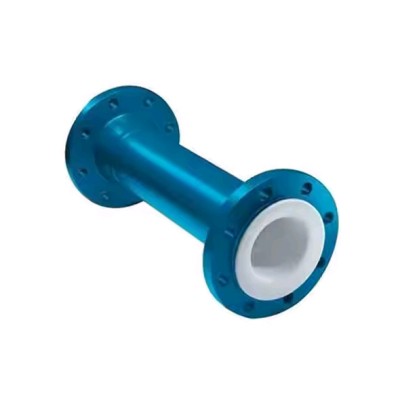
As a supplier of PTFE convoluted tubing, I am often asked about the suitability of our products for use in food processing machinery. This is a critical question, given the strict safety and regulatory requirements in the food industry. In this blog post, I will explore the properties of PTFE convoluted tubing, its advantages and limitations in food processing applications, and the regulatory considerations that need to be taken into account.
Properties of PTFE Convoluted Tubing
PTFE, or polytetrafluoroethylene, is a synthetic fluoropolymer known for its exceptional chemical resistance, high temperature tolerance, and low friction coefficient. These properties make it an ideal material for a wide range of industrial applications, including food processing.
Chemical Resistance
PTFE is highly resistant to a wide variety of chemicals, including acids, bases, solvents, and oils. This means that PTFE convoluted tubing can be used to transport a variety of food products, including acidic juices, alkaline cleaning solutions, and oily substances, without the risk of chemical degradation or contamination.
Temperature Tolerance
PTFE can withstand a wide range of temperatures, from -200°C to 260°C (-328°F to 500°F). This makes it suitable for use in both hot and cold food processing applications, such as pasteurization, sterilization, and refrigeration.
Low Friction Coefficient
PTFE has a very low friction coefficient, which means that it offers minimal resistance to the flow of food products. This reduces the risk of clogging and ensures a smooth and efficient flow of materials through the tubing.
Flexibility
PTFE convoluted tubing is highly flexible, which makes it easy to install and route in complex machinery. Its convoluted design also allows for expansion and contraction, which helps to prevent damage to the tubing due to thermal cycling or mechanical stress.
Advantages of Using PTFE Convoluted Tubing in Food Processing Machinery
Hygiene
One of the primary advantages of using PTFE convoluted tubing in food processing machinery is its hygienic properties. PTFE is a non-porous material, which means that it does not absorb or retain food particles, bacteria, or other contaminants. This makes it easy to clean and sanitize, which is essential for maintaining a safe and sanitary food processing environment.
Durability
PTFE convoluted tubing is highly durable and resistant to wear and tear. It can withstand repeated bending, twisting, and flexing without cracking or breaking, which makes it ideal for use in machinery that is subject to frequent movement or vibration.
Compatibility
PTFE is compatible with a wide range of food products, including dairy, meat, poultry, fruits, and vegetables. It does not react with or contaminate food products, which ensures the quality and safety of the final product.
Longevity
PTFE convoluted tubing has a long service life, which reduces the need for frequent replacement. This helps to minimize downtime and maintenance costs, which is important for ensuring the efficiency and profitability of food processing operations.
Limitations of Using PTFE Convoluted Tubing in Food Processing Machinery
Cost
PTFE convoluted tubing is more expensive than other types of tubing, such as PVC or rubber. This can make it a less attractive option for some food processing companies, especially those on a tight budget.
Installation
PTFE convoluted tubing requires special installation techniques and tools, which can add to the cost and complexity of the installation process. It is important to ensure that the tubing is installed correctly to prevent leaks and other problems.
Chemical Compatibility
While PTFE is generally resistant to a wide range of chemicals, it may not be compatible with certain substances, such as strong oxidizing agents or some solvents. It is important to consult with a chemical compatibility chart or a PTFE tubing supplier to ensure that the tubing is suitable for the specific application.
Regulatory Considerations
In the United States, the use of PTFE convoluted tubing in food processing machinery is regulated by the Food and Drug Administration (FDA). The FDA has established strict guidelines and regulations regarding the use of food contact materials, including PTFE.
FDA Approval
To be used in food processing machinery, PTFE convoluted tubing must be approved by the FDA. This means that the tubing must meet certain safety and performance standards, such as being free from harmful chemicals and contaminants.
Compliance
Food processing companies are responsible for ensuring that they are in compliance with all applicable FDA regulations and guidelines. This includes using only FDA-approved PTFE convoluted tubing and following proper installation, cleaning, and maintenance procedures.
Documentation
It is important for food processing companies to maintain accurate documentation of the PTFE convoluted tubing they use, including the manufacturer's name, product specifications, and FDA approval status. This documentation can be used to demonstrate compliance with FDA regulations and to provide evidence of due diligence in the event of an inspection or audit.
Conclusion
In conclusion, PTFE convoluted tubing can be a suitable option for use in food processing machinery, provided that it is installed and used correctly and meets all applicable regulatory requirements. Its exceptional chemical resistance, high temperature tolerance, low friction coefficient, and hygienic properties make it an ideal material for transporting a variety of food products. However, it is important to consider the cost, installation requirements, and chemical compatibility of PTFE convoluted tubing before making a decision.


If you are considering using PTFE convoluted tubing in your food processing machinery, I encourage you to contact us to learn more about our products and services. We are a leading supplier of PTFE convoluted tubing and can provide you with the information and support you need to make an informed decision. You can also visit our website to learn more about our PTFE Heat Shrink Tubing, Bronze Filled PTFE, and Teflon PTFE Pipe.
We look forward to the opportunity to work with you and to help you find the right PTFE convoluted tubing solution for your food processing needs.
References
- Food and Drug Administration (FDA). (n.d.). Food Contact Substances Notification (FCN) Program. Retrieved from https://www.fda.gov/food/food-contact-substances/food-contact-substances-notification-fcn-program
- American Society for Testing and Materials (ASTM). (n.d.). Standard Specification for Polytetrafluoroethylene (PTFE) Tubing. Retrieved from https://www.astm.org/Standards/F739.htm
- International Organization for Standardization (ISO). (n.d.). ISO 10993-1:2018 - Biological evaluation of medical devices - Part 1: Evaluation and testing within a risk management process. Retrieved from https://www.iso.org/standard/60727.html