Hey there! I'm a supplier of Teflon PTFE plates, and I often get asked if these plates age over time. It's a super valid question, especially if you're planning to use them for long - term projects or in industrial settings. So, let's dig into this topic and see what's up with the aging of Teflon PTFE plates.

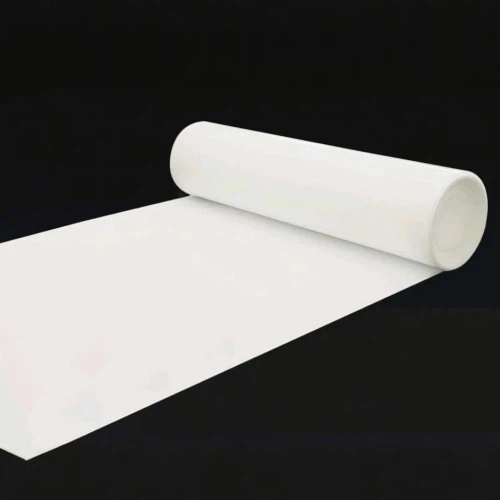
First off, let's understand what Teflon PTFE is. PTFE stands for Polytetrafluoroethylene, and Teflon is a well - known brand name for it. These plates are made from this amazing synthetic fluoropolymer, which has some really cool properties. It's highly resistant to heat, chemicals, and friction. That's why it's used in a whole bunch of applications, from non - stick cookware to industrial machinery.
Now, back to the main question: does it age? Well, the short answer is yes, but it ages very slowly compared to a lot of other materials. PTFE has a unique molecular structure. Its carbon - fluorine bonds are incredibly strong. These bonds give PTFE its excellent chemical resistance and stability. But even with these strong bonds, over time, external factors can start to have an impact.
One of the main factors that can cause aging is heat. PTFE can handle high temperatures, but if it's exposed to extremely high heat for a long time, it can start to break down. For example, if you're using a PTFE Teflon Sheet for Slide Plate in an industrial oven where the temperature is constantly near its upper limit, the material might gradually lose some of its properties. The high heat can cause the polymer chains to break, which can lead to a decrease in its mechanical strength and flexibility.
Another factor is chemical exposure. While PTFE is known for its chemical resistance, there are some aggressive chemicals that can react with it over time. Strong oxidizing agents, for instance, can slowly attack the PTFE surface. If your Virgin Material PTFE Plate is in contact with these types of chemicals on a regular basis, you might notice some changes in its appearance and performance. The surface could become rough, and it might lose some of its non - stick properties.
UV radiation is also a culprit. If PTFE plates are exposed to sunlight or other sources of UV light for extended periods, it can cause some degradation. The UV rays can break the carbon - fluorine bonds, leading to discoloration and a reduction in the material's overall integrity. This is especially relevant if you're using PTFE plates outdoors or in areas with a lot of natural light.
Mechanical stress is yet another factor. If the plates are constantly being bent, stretched, or compressed, it can cause micro - cracks to form. These cracks can grow over time and eventually lead to the failure of the plate. For example, if you're using a PTFE Sodium Sheet in a moving part of a machine, the repeated mechanical stress can take a toll on the material.
But here's the good news. Even with all these potential aging factors, PTFE plates have a really long lifespan. They're designed to withstand a lot of abuse. In most normal applications, you won't notice any significant aging for years, if not decades. And as a supplier, I've seen firsthand how durable these plates can be.
Let's talk about how you can tell if your PTFE plate is aging. One of the first signs is a change in appearance. If the plate starts to turn yellow or develop a rough surface, it could be a sign of aging. You might also notice a decrease in its non - stick properties. If you're using it in cookware, for example, food might start to stick more than it used to.
In industrial applications, a decrease in mechanical strength is a big red flag. If the plate starts to crack or break more easily, it's likely that it's been affected by aging. You might also notice a change in its friction coefficient. If it's a slide plate, it might not slide as smoothly as it used to.
So, what can you do to extend the lifespan of your PTFE plates? First of all, make sure you're using them within their recommended temperature and chemical exposure limits. If you're using them in a high - heat environment, try to keep the temperature as stable as possible. Avoid sudden temperature changes, as these can also cause stress on the material.
Proper storage is also important. Keep the plates away from direct sunlight and harsh chemicals when they're not in use. If you're storing them for a long time, make sure they're not being compressed or bent.
Regular maintenance is key. Inspect the plates regularly for any signs of damage or aging. If you notice any issues early on, you can take steps to address them before they become a bigger problem.
As a supplier, I'm always here to help you choose the right PTFE plate for your needs. Whether you're looking for a PTFE Teflon Sheet for Slide Plate, a Virgin Material PTFE Plate, or a PTFE Sodium Sheet, I can provide you with high - quality products and advice on how to use and maintain them.
If you're in the market for Teflon PTFE plates, I'd love to talk to you about your specific requirements. Whether you're a small business or a large industrial operation, I can work with you to find the perfect solution. Contact me, and we can start a discussion about how these amazing plates can benefit your projects.
References:
- "Modern Fluoropolymers" by John Scheirs
- "Handbook of Fluoropolymer Science and Technology" by Harry A. Goldberg