Comparison of Steel Lined PTFE Cross and Full - PTFE Cross
In the world of industrial fluid handling systems, the choice of fittings is crucial for ensuring efficient, safe, and long - lasting operations. Among the many types of fittings available, crosses are frequently used in piping networks to connect four pipes at right angles. Two popular options for crosses are steel lined PTFE crosses and full - PTFE crosses. As a supplier of steel lined PTFE crosses, I am well - positioned to provide an in - depth analysis of how these two types of crosses compare.
1. Material Composition and Structure
- Steel Lined PTFE Cross
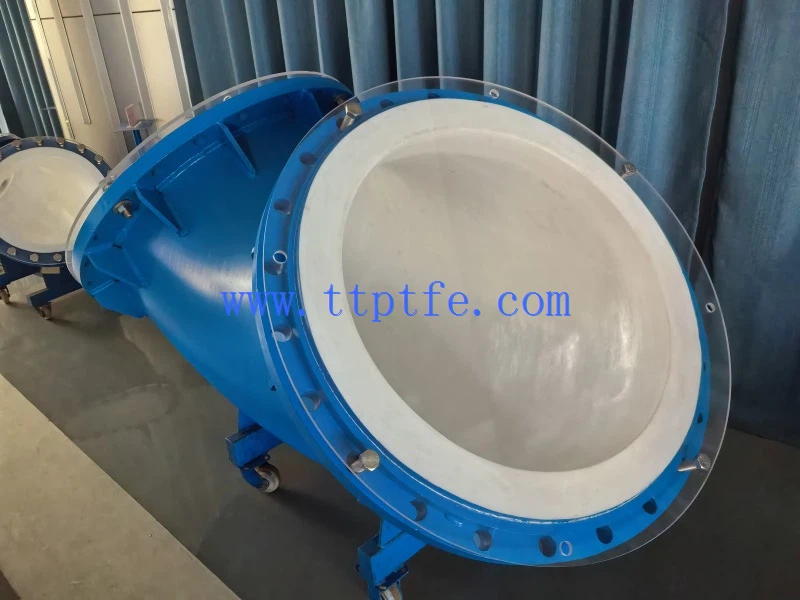
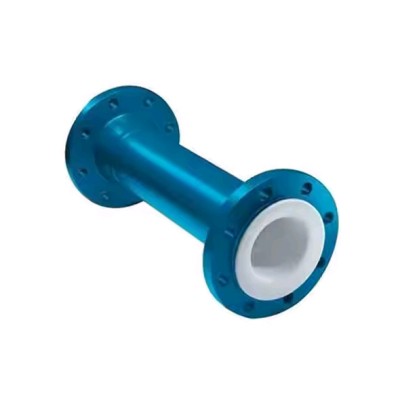
A steel lined PTFE cross consists of a steel outer shell and a PTFE (Polytetrafluoroethylene) lining. The steel shell provides the structural strength required to withstand high pressures and mechanical stresses. It can be made from various grades of steel, such as carbon steel or stainless steel, depending on the specific application requirements. The PTFE lining, on the other hand, offers excellent chemical resistance, low friction coefficient, and non - stick properties. This combination makes the steel lined PTFE cross suitable for applications where both strength and corrosion resistance are needed. For example, in chemical processing plants, where the pipes carry corrosive chemicals under pressure, the steel lined PTFE cross can maintain its integrity. - Full - PTFE Cross
A full - PTFE cross is entirely made of PTFE. PTFE is a high - performance polymer known for its outstanding chemical inertness. Since it is made entirely of PTFE, the full - PTFE cross has a uniform chemical resistance throughout its structure. However, PTFE is a relatively soft material compared to steel, which means it has lower mechanical strength. This can limit its use in applications where the fitting needs to withstand high pressures or significant mechanical impacts.
2. Chemical Resistance
- Steel Lined PTFE Cross
The PTFE lining in the steel lined PTFE cross provides excellent chemical resistance to a wide range of corrosive substances, including acids, bases, and organic solvents. The steel shell acts as a protective barrier, preventing the outer environment from affecting the integrity of the PTFE lining. This makes the steel lined PTFE cross suitable for use in industries such as chemical manufacturing, pharmaceuticals, and food processing, where exposure to various chemicals is common. - Full - PTFE Cross
As mentioned earlier, full - PTFE crosses have a uniform chemical resistance due to their all - PTFE construction. They can resist almost all chemicals at room temperature and many at elevated temperatures as well. However, extreme chemical environments may cause some physical changes in the PTFE, such as swelling or embrittlement over time. The lack of a reinforcing outer layer means that any damage to the PTFE could potentially compromise the entire cross.
3. Pressure and Temperature Resistance
- Steel Lined PTFE Cross
The steel outer shell of the steel lined PTFE cross gives it the ability to withstand relatively high pressures. Depending on the grade of steel used and the thickness of the shell, these crosses can be used in systems with pressures ranging from low to high. In terms of temperature resistance, the PTFE lining can typically handle temperatures from - 200°C to + 260°C. However, the steel shell may have different temperature limitations, and the overall temperature resistance of the cross needs to be considered based on the specific steel and PTFE combination. - Full - PTFE Cross
Full - PTFE crosses have a lower pressure - bearing capacity compared to steel lined PTFE crosses. PTFE's relatively low mechanical strength means that it can deform under high pressures. In terms of temperature, while PTFE has good temperature resistance, the lack of a reinforcing structure may cause the cross to lose its shape or integrity at the upper end of its temperature range. For example, at high temperatures, the PTFE may start to flow or creep, which can lead to leaks in the piping system.
4. Cost and Installation
- Steel Lined PTFE Cross
The cost of a steel lined PTFE cross is generally higher than that of a full - PTFE cross. This is mainly due to the additional cost of the steel shell and the manufacturing process required to line the steel with PTFE. However, the higher cost is often justified by its longer service life and better performance in high - pressure and harsh chemical environments. Installation of a steel lined PTFE cross may require more care and specialized tools compared to a full - PTFE cross. The steel shell needs to be properly connected to the piping system, and measures need to be taken to ensure that the PTFE lining is not damaged during installation. - Full - PTFE Cross
Full - PTFE crosses are relatively inexpensive to manufacture because they are made of a single material. They are also easier to install due to their lightweight and flexibility. In applications where cost is a major concern and the system operates under low pressure and mild chemical conditions, full - PTFE crosses can be a cost - effective choice.
5. Applications
- Steel Lined PTFE Cross
Steel lined PTFE crosses are commonly used in industries where the transport of corrosive fluids under high pressure is required. For example, in the petrochemical industry, they are used in pipelines carrying crude oil, refined products, and various chemicals. They are also used in power plants for handling chemical additives and in the water treatment industry for transporting corrosive disinfectants. Lined Pipe Fittings are often used in these industrial settings to ensure the safety and efficiency of the fluid handling systems. - Full - PTFE Cross
Full - PTFE crosses are more suitable for applications where the pressure is low and the chemical environment is relatively mild. They are commonly used in laboratory settings for transporting small amounts of chemicals, in the food and beverage industry for handling non - corrosive fluids, and in some low - pressure chemical transfer systems. PTFE Four Way fittings, which include full - PTFE crosses, are often used in these types of applications.
6. Durability and Maintenance
- Steel Lined PTFE Cross
The combination of steel and PTFE in a steel lined PTFE cross results in a highly durable fitting. The steel shell protects the PTFE lining from mechanical damage, and the PTFE lining protects the steel from corrosion. This means that the cross can have a long service life with proper installation and maintenance. Maintenance mainly involves checking for any signs of damage to the PTFE lining, such as cracks or delamination, and ensuring that the steel shell is free from rust or other forms of corrosion. - Full - PTFE Cross
Full - PTFE crosses are more prone to physical damage, such as scratches and abrasions, due to the soft nature of PTFE. They may also be affected by environmental factors such as UV radiation over time. Regular inspection is required to check for any signs of wear and tear. If damage is detected, the entire cross may need to be replaced, as repairing a full - PTFE cross can be difficult.
7. Conclusion
In conclusion, the choice between a steel lined PTFE cross and a full - PTFE cross depends on several factors, including the specific application requirements, pressure and temperature conditions, chemical environment, cost, and maintenance considerations. Steel lined PTFE crosses offer superior strength, pressure resistance, and durability, making them ideal for high - pressure and harsh chemical applications. On the other hand, full - PTFE crosses are more cost - effective and easier to install, making them suitable for low - pressure and mild chemical applications.
If you are in the process of selecting the right cross for your piping system, I encourage you to consider the advantages of our steel lined PTFE crosses. Our products are designed and manufactured to the highest standards, ensuring reliable performance and long - term durability. We also offer a range of related products, such as PTFE Lined 90 Degree Elbows, PTFE Lined Chemical Storage Tank, and PTFE Lined Elbows 90.
If you have any questions or would like to discuss your specific requirements, please feel free to reach out. We are ready to assist you in making the best choice for your industrial fluid handling needs.