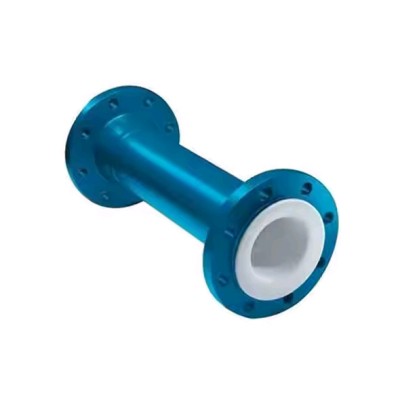
Yo, folks! As a supplier of fluoroplastic pipes, I'm super stoked to chat with you about how these bad boys stack up against other pipes in terms of cost - effectiveness. Now, let's dive right in, shall we?
What are Fluoroplastic Pipes?
Before we get into the cost - effectiveness stuff, let's quickly talk about what fluoroplastic pipes are. Fluoroplastic pipes are made from a type of plastic that contains fluorine. This gives them some amazing properties like high chemical resistance, low friction, and great thermal stability. They can handle a wide range of temperatures and some pretty harsh chemicals, which makes them a top choice in many industries.
Cost - Effectiveness Factors
Initial Cost
When you're looking at buying pipes, the first thing that usually pops into your head is the initial cost. Fluoroplastic pipes, like PTFE Lined Straight Pipe, might seem a bit pricier upfront compared to some other types of pipes, like steel or PVC. Steel pipes are generally cheaper to buy initially, and PVC pipes are also quite affordable. But here's the thing, you get what you pay for.
Fluoroplastic pipes are made with advanced materials and manufacturing processes. The high - quality fluoropolymers used in these pipes ensure that they are built to last. So, even though you're shelling out a bit more at the start, you're making an investment.
Installation Cost
Installation cost is another big factor when it comes to cost - effectiveness. Fluoroplastic pipes are relatively lightweight compared to steel pipes. This means they're easier to handle and transport, which can save you some money on labor and shipping. You don't need heavy - duty equipment to install them, and fewer workers might be required for the job.
On the other hand, steel pipes are heavy and often need specialized equipment for installation. This can drive up the installation cost significantly. PVC pipes are also easy to install, but they may not be suitable for all applications. In corrosive environments, PVC pipes can degrade quickly, which means you might have to reinstall them more often.
Maintenance and Replacement Costs
Now, let's talk about the long - term costs, which include maintenance and replacement. Fluoroplastic pipes have excellent chemical resistance. They can withstand exposure to acids, bases, and other chemicals without corroding or degrading. This means you won't have to worry about costly repairs or replacements due to corrosion.
In contrast, steel pipes are prone to rust and corrosion, especially in wet or acidic environments. You'll need to regularly coat and maintain steel pipes to keep them in good condition. Over time, these maintenance costs can add up. And if the corrosion gets too bad, you'll have to replace the pipes entirely, which is a huge expense.
PVC pipes can be damaged by UV light and certain chemicals. They may become brittle over time, leading to leaks and breaks. This means you'll likely face more frequent replacements compared to fluoroplastic pipes.
Applications and Cost - Effectiveness
Chemical Industry
In the chemical industry, cost - effectiveness is crucial. You need pipes that can handle various chemicals without breaking down. Fluoroplastic pipes are a perfect fit here. Their high chemical resistance means they can be used for transporting a wide range of chemicals, from strong acids to solvents.
While the initial cost of installing fluoroplastic pipes in a chemical plant might be higher, the long - term savings from reduced maintenance and replacement costs are significant. Other pipes like steel or PVC would require frequent repairs and replacements in such a harsh environment, which would end up being much more expensive in the long run.


Food and Beverage Industry
In the food and beverage industry, hygiene and safety are top priorities. Fluoroplastic pipes have a smooth surface, which makes them easy to clean and sanitize. This helps prevent the growth of bacteria and other contaminants.
Although the initial investment in fluoroplastic pipes may be more than that of some other types of pipes commonly used in this industry, the reduced risk of product contamination and the associated costs (such as product recalls) make them a cost - effective choice.
Water Treatment Plants
Water treatment plants deal with various chemicals and need pipes that can withstand different water conditions. Fluoroplastic pipes' ability to resist corrosion and chemical attacks makes them ideal for this application.
They can be used to transport water, chemicals used in the treatment process, and the treated water itself. In the long run, the minimal maintenance and long lifespan of fluoroplastic pipes result in lower overall costs compared to other pipes that may corrode or degrade in the water treatment environment.
Comparing with Other Pipes in Specific Situations
Against Copper Pipes
Copper pipes have been around for a long time. They're known for their good heat transfer properties and are commonly used in plumbing systems. However, copper can be affected by certain chemicals in water, such as high levels of acidity. This can lead to corrosion and the release of copper into the water, which is a health concern.
Fluoroplastic pipes are not affected by these chemical factors. They offer a more reliable and long - lasting solution, especially in areas with poor water quality. In the long term, the cost of replacing corroded copper pipes and dealing with the associated water quality issues can far exceed the cost of using fluoroplastic pipes.
Against Rubber Pipes
Rubber pipes are flexible and can be useful in some applications where vibration or movement is involved. But rubber is prone to wear and tear, especially when exposed to chemicals or high temperatures.
Fluoroplastic pipes, with their high temperature resistance and chemical stability, are a better choice for applications where durability is key. The need to replace rubber pipes more frequently due to degradation can make them a more expensive option over time compared to fluoroplastic pipes.
Wrapping it Up
All in all, when you look at the big picture, fluoroplastic pipes are a cost - effective choice in many applications. The higher initial cost is offset by lower installation, maintenance, and replacement costs in the long run. They're versatile, durable, and can handle some of the toughest environments out there.
If you're in the market for pipes that offer great value for money, I highly recommend considering fluoroplastic pipes. Whether you're in the chemical industry, food and beverage, or water treatment, these pipes can meet your needs and save you a bundle in the long haul.
If you're interested in learning more about our fluoroplastic pipes or want to discuss a potential purchase, don't hesitate to reach out. We're here to help you find the best solution for your specific requirements.
References
- "Handbook of Fluoropolymer Science and Technology"
- "Piping Engineering Design Handbook"
- Industry reports on pipe materials and their applications