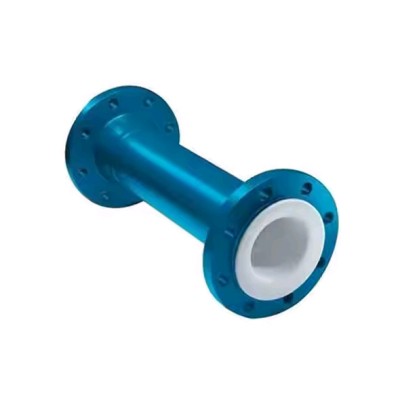
As a PTFE tube connector supplier, I often receive inquiries from customers about how to adjust the tightness of PTFE tube connectors properly. In this blog post, I'll share some practical tips and scientific knowledge on this topic to help you achieve the best performance of your PTFE tube systems.
Understanding PTFE Tube Connectors
Before we dive into the adjustment process, it's essential to understand what PTFE tube connectors are and why proper tightness adjustment matters. PTFE, or polytetrafluoroethylene, is a high - performance fluoropolymer known for its excellent chemical resistance, low friction coefficient, and wide temperature range tolerance. PTFE tube connectors are used to join PTFE tubes together or connect them to other components in a fluid - handling system.
The tightness of these connectors is crucial. If the connection is too loose, it can lead to leaks, which not only waste fluids but also pose safety risks, especially when dealing with hazardous chemicals. On the other hand, over - tightening can damage the PTFE tubes or connectors, reducing their lifespan and potentially causing system failures.
Tools Required for Adjusting Tightness
To adjust the tightness of PTFE tube connectors, you'll need a few basic tools:
- Wrenches: Depending on the size and type of the connectors, you may need adjustable wrenches or specific socket wrenches. Make sure the wrenches fit the connector's nut or fitting properly to avoid slipping and causing damage.
- Torque Wrench: For more precise adjustment, a torque wrench is highly recommended. It allows you to apply a specific amount of force, ensuring that the connectors are tightened to the correct specifications.
- Thread Sealant (Optional): In some cases, using a PTFE - based thread sealant can help improve the sealing performance of the connectors. However, make sure to choose a sealant that is compatible with PTFE materials.
Step - by - Step Guide to Adjusting Tightness
Step 1: Inspect the Connectors and Tubes
Before making any adjustments, carefully inspect the PTFE tubes and connectors. Look for any signs of damage, such as cracks, scratches, or deformities. If you find any damaged parts, replace them immediately to ensure a proper and safe connection.
Step 2: Clean the Connectors and Tubes
Clean the mating surfaces of the tubes and connectors to remove any dirt, debris, or contaminants. You can use a mild solvent and a clean cloth for this purpose. A clean surface will improve the sealing performance and prevent leaks.
Step 3: Assemble the Connectors
Insert the PTFE tube into the connector according to the manufacturer's instructions. Make sure the tube is inserted fully and centered properly. If using a thread sealant, apply a thin layer to the male threads of the connector.
Step 4: Initial Tightening
Use a wrench to hand - tighten the connector until it is snug. This initial tightening helps to align the threads and start the sealing process. Be careful not to overtighten at this stage.
Step 5: Precise Tightening with a Torque Wrench
If you have a torque wrench, refer to the manufacturer's specifications for the recommended torque value. Set the torque wrench to the appropriate setting and use it to tighten the connector further. Slowly apply the torque in a clockwise direction until the wrench clicks, indicating that the correct torque has been reached.
If you don't have a torque wrench, you can use a general rule of thumb. For most PTFE tube connectors, an additional 1/4 to 1/2 turn after the initial hand - tightening is usually sufficient. However, this method is less precise and may vary depending on the specific application and connector type.
Step 6: Check for Leaks
After tightening the connector, check for any signs of leaks. You can do this by applying a small amount of pressure to the system (if possible) and observing the connection area. If you detect a leak, slightly tighten the connector further and re - check.
Factors Affecting Tightness Adjustment
Several factors can affect the tightness adjustment of PTFE tube connectors:


- Temperature: PTFE materials can expand or contract with temperature changes. When adjusting the tightness, consider the operating temperature of the system. If the system will operate at high temperatures, you may need to adjust the tightness accordingly to account for thermal expansion.
- Vibration: In applications where there is significant vibration, the connectors may loosen over time. You can use locking mechanisms, such as lock washers or thread - locking compounds, to prevent loosening.
- Fluid Pressure: Higher fluid pressures require a tighter connection to prevent leaks. Make sure to adjust the tightness based on the maximum pressure expected in the system.
Troubleshooting Common Issues
- Over - Tightening: If you accidentally overtighten a connector, it can damage the PTFE tube or the connector itself. In this case, carefully loosen the connector and inspect for any damage. If the part is damaged, replace it and start the adjustment process again.
- Leaks After Tightening: If you still have leaks after tightening the connector, there could be several reasons. Check for proper alignment, clean the surfaces again, or consider using a different type of sealant. If the problem persists, the connector or tube may be defective and should be replaced.
Conclusion
Properly adjusting the tightness of PTFE tube connectors is essential for ensuring a leak - free and reliable fluid - handling system. By following the steps outlined in this blog post and considering the factors that affect tightness, you can achieve the best performance from your PTFE tube connectors.
If you're in the market for high - quality PTFE Tubing, PTFE Teflon Tubing, or Teflon PTFE Pipe, we are here to provide you with top - notch products and expert advice. Whether you need standard connectors or custom - designed solutions, our team of professionals can assist you in finding the right products for your specific application.
If you have any questions or would like to discuss your procurement needs, don't hesitate to contact us. We look forward to working with you and helping you build a successful PTFE tube system.
References
- "Handbook of Fluoropolymer Science and Technology" by John Scheirs
- Manufacturer's instructions for PTFE tube connectors
- Industry standards for fluid - handling systems using PTFE materials