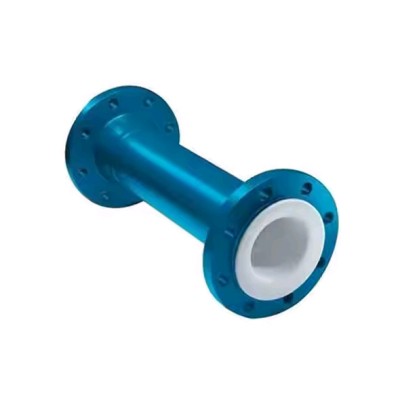
As a supplier of plastic PTFE plates, I understand the challenges that many customers face when it comes to improving the surface adhesion of these materials. PTFE, or polytetrafluoroethylene, is well - known for its non - stick properties, which are great for many applications but can be a hindrance when adhesion is required. In this blog post, I'll share some effective methods to enhance the surface adhesion of PTFE plates.


Understanding the Challenges of PTFE Adhesion
PTFE has a very low surface energy, which means that it is difficult for adhesives to wet and bond to its surface. The smooth and non - reactive nature of PTFE makes it resistant to most common adhesives. Additionally, PTFE has a high chemical resistance, which further complicates the adhesion process. These characteristics are what make PTFE so useful in applications where non - stick and chemical resistance are needed, but they also pose significant challenges when adhesion is required.
Surface Treatment Methods
Chemical Etching
One of the most common methods to improve the surface adhesion of PTFE is chemical etching. This process involves treating the PTFE surface with a strong chemical agent, usually a sodium - based solution. The sodium etches the surface of the PTFE, creating a rough texture and introducing polar functional groups. These changes increase the surface energy of the PTFE, making it more receptive to adhesives.
The chemical etching process should be carried out in a well - ventilated area, as the chemicals used are highly reactive and can be dangerous. After etching, the PTFE plate must be thoroughly rinsed to remove any residual chemicals. It's important to note that chemical etching can change the appearance of the PTFE surface, making it darker and less smooth. However, this is a small price to pay for the significant improvement in adhesion.
Plasma Treatment
Plasma treatment is another effective way to enhance the surface adhesion of PTFE. In this process, the PTFE plate is exposed to a low - temperature plasma, which is a highly ionized gas. The plasma contains energetic particles that can break the carbon - fluorine bonds on the PTFE surface and introduce new functional groups.
Plasma treatment has several advantages over chemical etching. It is a dry process, which means there is no need for chemical handling or rinsing. It also has a more precise control over the surface modification, and it can be used to treat specific areas of the PTFE plate. However, plasma treatment equipment can be expensive, and the process requires a certain level of technical expertise.
Mechanical Abrasion
Mechanical abrasion is a simple and cost - effective method to improve PTFE adhesion. This involves using sandpaper, a wire brush, or other abrasive tools to roughen the PTFE surface. By creating a rough texture, the surface area available for adhesive bonding is increased, and the mechanical interlocking between the adhesive and the PTFE is improved.
However, mechanical abrasion has its limitations. It can only create a relatively shallow surface roughness, and it may not be sufficient for applications that require a high level of adhesion. Also, excessive abrasion can damage the PTFE plate, reducing its mechanical properties.
Adhesive Selection
Once the PTFE surface has been treated, choosing the right adhesive is crucial. Different adhesives have different properties, and the choice depends on the specific application requirements.
Epoxy Adhesives
Epoxy adhesives are a popular choice for bonding PTFE. They offer high strength and good chemical resistance. Epoxy adhesives can be formulated to have different curing times and viscosities, making them suitable for a wide range of applications. However, they may require a longer curing time, and some epoxy adhesives may not be flexible enough for applications where the PTFE plate is subject to movement.
Silicone Adhesives
Silicone adhesives are known for their flexibility and high - temperature resistance. They can be used in applications where the PTFE plate needs to withstand extreme temperatures or where some degree of flexibility is required. Silicone adhesives also have good weather resistance, making them suitable for outdoor applications.
Cyanoacrylate Adhesives
Cyanoacrylate adhesives, also known as super glues, offer fast - curing and high - strength bonding. They are easy to use and can bond to a variety of surfaces, including treated PTFE. However, they are relatively brittle and may not be suitable for applications where the PTFE plate is subject to high stress or vibration.
Application Techniques
In addition to surface treatment and adhesive selection, proper application techniques are also important for achieving good adhesion.
Surface Preparation
Before applying the adhesive, the treated PTFE surface should be cleaned to remove any dust, grease, or other contaminants. This can be done using a solvent such as isopropyl alcohol. The surface should be dry before applying the adhesive.
Adhesive Application
The adhesive should be applied evenly on the PTFE surface. The amount of adhesive used should be appropriate for the bonding area. Too little adhesive may result in weak bonding, while too much adhesive can cause overflow and affect the appearance and performance of the bonded parts.
Bonding Pressure and Curing
Applying pressure during the bonding process can help to ensure good contact between the adhesive and the PTFE surface. The pressure should be maintained until the adhesive has cured. The curing time and conditions depend on the type of adhesive used. Some adhesives may require heat or a specific humidity level for proper curing.
Our PTFE Products
At our company, we offer a wide range of high - quality PTFE products, including PTFE Teflon Plate Sheet, Teflon PTFE Sheet, and Expanded PTFE Sheet. Our PTFE plates are made from the finest raw materials and are manufactured using advanced production techniques.
We understand the importance of surface adhesion in many applications, and we are committed to providing our customers with the best solutions. Whether you need a PTFE plate with improved adhesion for a specific project or you have questions about surface treatment methods, our team of experts is here to help.
Conclusion
Improving the surface adhesion of plastic PTFE plates is a multi - step process that involves surface treatment, adhesive selection, and proper application techniques. By understanding the challenges of PTFE adhesion and using the right methods, you can achieve strong and reliable bonding. If you are interested in our PTFE products or need more information about improving PTFE adhesion, please feel free to contact us for procurement and further discussion.
References
- Banks, E. R. (1970). "Teflon - Fluorocarbon Resins". Wiley - Interscience.
- Mittal, K. L. (Ed.). (1984). "Adhesion Aspects of Polymeric Coatings". Plenum Press.
- Wypych, G. (2004). "Handbook of Adhesion Promoters". ChemTec Publishing.