Hey there! As a supplier of round PTFE lined pipes, I've seen firsthand how important it is to ensure the overall quality of these pipes. In this blog post, I'll share some tips on how to inspect the overall quality of a round PTFE lined pipe.
Visual Inspection
The first step in inspecting a round PTFE lined pipe is a visual inspection. This is a quick and easy way to spot any obvious defects or issues. Start by looking at the exterior of the pipe. Check for any signs of damage, such as scratches, dents, or cracks. These can weaken the pipe and lead to leaks or other problems down the line.
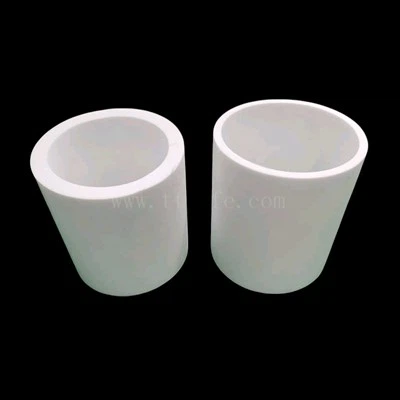
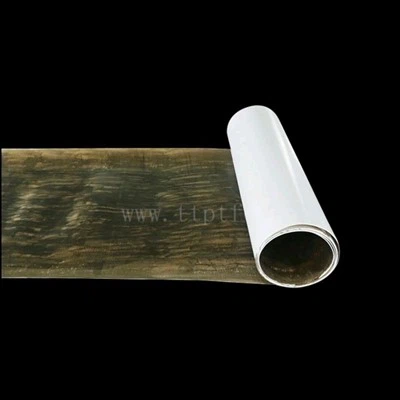
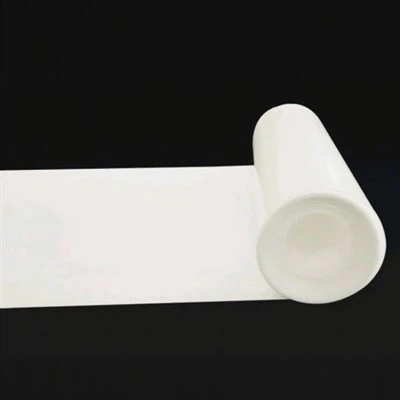
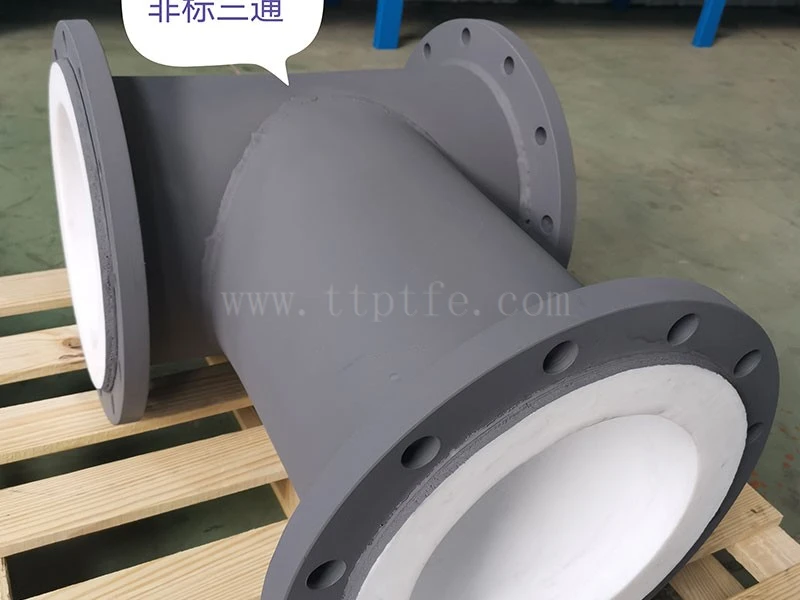
Next, take a look at the PTFE lining itself. It should be smooth and free of any bubbles, blisters, or other imperfections. If you notice any of these issues, it could indicate a problem with the manufacturing process or the quality of the PTFE material.
Also, pay attention to the color of the PTFE lining. It should be a consistent white color. Any discoloration could be a sign of contamination or overheating during the manufacturing process.
Dimensional Inspection
In addition to a visual inspection, it's important to perform a dimensional inspection of the round PTFE lined pipe. This involves measuring the pipe's diameter, wall thickness, and length to ensure they meet the specified requirements.
Use a caliper or micrometer to measure the diameter of the pipe at several points along its length. The diameter should be within the tolerance range specified by the manufacturer. Any significant variations in diameter could affect the pipe's performance and compatibility with other components.
Similarly, measure the wall thickness of the PTFE lining. It should be uniform throughout the pipe. If the wall thickness varies too much, it could lead to uneven wear and tear, which can shorten the lifespan of the pipe.
Finally, measure the length of the pipe to make sure it matches the specified length. This is especially important if you're using the pipe in a specific application where precise lengths are required.
Pressure Testing
Pressure testing is another crucial step in inspecting the overall quality of a round PTFE lined pipe. This involves subjecting the pipe to a specified pressure to check for leaks or other structural weaknesses.
There are several methods of pressure testing, but the most common one is hydrostatic testing. In this method, the pipe is filled with water and pressurized to a predetermined level for a specific period of time. During the test, carefully monitor the pipe for any signs of leaks, such as water dripping or spraying from the pipe.
If you notice any leaks during the pressure test, it's a clear indication that the pipe has a defect and should not be used. Even a small leak can lead to significant problems over time, so it's important to address the issue immediately.
Chemical Compatibility Testing
Since round PTFE lined pipes are often used in applications where they come into contact with various chemicals, it's important to test the chemical compatibility of the PTFE lining. This involves exposing the lining to the chemicals it will be used with and monitoring for any signs of degradation or damage.
There are several ways to perform chemical compatibility testing. One common method is to immerse a sample of the PTFE lining in the chemical for a specified period of time and then observe any changes in its physical properties, such as color, hardness, or flexibility.
Another method is to use a chemical resistance chart provided by the PTFE manufacturer. These charts list the chemicals that the PTFE lining is compatible with and the recommended operating conditions. However, it's important to note that these charts are only general guidelines, and actual performance may vary depending on factors such as temperature, pressure, and exposure time.
Non-Destructive Testing
Non-destructive testing (NDT) techniques can also be used to inspect the overall quality of a round PTFE lined pipe without causing any damage to the pipe. Some common NDT methods include ultrasonic testing, X-ray testing, and magnetic particle testing.
Ultrasonic testing involves using high-frequency sound waves to detect internal defects in the pipe, such as cracks or voids. X-ray testing uses X-rays to create an image of the internal structure of the pipe, allowing you to detect any hidden defects. Magnetic particle testing is used to detect surface and near-surface defects in ferromagnetic materials.
These NDT methods can provide valuable information about the internal quality of the pipe, but they require specialized equipment and trained personnel to perform.
Documentation and Certification
When inspecting the overall quality of a round PTFE lined pipe, it's important to review the documentation and certification provided by the manufacturer. This includes the material certificates, test reports, and quality control documents.
The material certificates should provide information about the composition and quality of the PTFE material used in the lining. The test reports should include the results of any pressure testing, chemical compatibility testing, or other quality control tests performed on the pipe.

Make sure the documentation and certification are up-to-date and comply with the relevant industry standards and regulations. This will give you confidence in the quality and reliability of the round PTFE lined pipe.
Conclusion
Inspecting the overall quality of a round PTFE lined pipe is a multi-step process that involves visual inspection, dimensional inspection, pressure testing, chemical compatibility testing, non-destructive testing, and review of documentation and certification. By following these steps, you can ensure that the pipe you're using is of high quality and will perform reliably in your application.
If you're in the market for Round PTFE Lined Pipe, PTFE Lined Pipe Fittings, or PTFE Lined Tubing, I'd be happy to help. We offer high-quality products that are manufactured to the highest standards. Contact us today to discuss your specific requirements and start the procurement process.
References
- ASME B31.3 - Process Piping
- ASTM D1457 - Standard Specification for PTFE Tubing
- ISO 9001 - Quality Management Systems