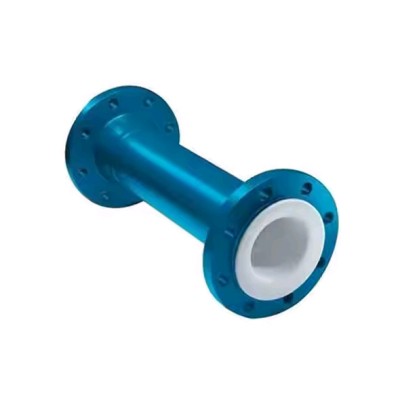
PTFE (Polytetrafluoroethylene) lined pipes are widely used in various industries due to their excellent chemical resistance, low friction coefficient, and high temperature tolerance. However, like any other industrial product, they can encounter problems if not properly maintained and used. As a PTFE lined pipe supplier, I understand the importance of preventing issues with these pipes to ensure their long - term performance and reliability. In this blog, I will share some effective strategies to prevent problems with PTFE lined pipes.
1. Proper Installation
The first step in preventing problems with PTFE lined pipes is proper installation. Incorrect installation can lead to a variety of issues, such as leaks, damage to the PTFE lining, and reduced flow efficiency.
- Alignment: Ensure that the pipes are properly aligned during installation. Misaligned pipes can cause stress on the PTFE lining, leading to cracks or tears. Use alignment tools and follow the manufacturer's guidelines for installation to ensure that the pipes are in a straight line.
- Gasket Selection: Choose the right gaskets for the PTFE lined pipes. Gaskets play a crucial role in preventing leaks. Select gaskets that are compatible with the chemicals being transported and the operating conditions of the system. For example, PTFE - based gaskets are often a good choice due to their chemical resistance.
- Torque Application: Apply the correct torque when tightening the bolts on the flanges. Over - tightening can damage the PTFE lining, while under - tightening can result in leaks. Refer to the manufacturer's torque specifications to ensure proper tightening.
2. Chemical Compatibility
PTFE is known for its excellent chemical resistance, but it is still important to ensure that the chemicals being transported are compatible with the PTFE lining.
- Chemical Analysis: Before using PTFE lined pipes for a particular application, conduct a chemical analysis of the substances that will be flowing through the pipes. Some chemicals may react with PTFE under certain conditions, such as high temperatures or pressures. For example, molten alkali metals can react with PTFE, causing damage to the lining.
- Consultation: If you are unsure about the chemical compatibility of a particular substance, consult with a chemical engineer or the PTFE lined pipe manufacturer. They can provide valuable advice on whether the PTFE lining is suitable for the application.
3. Temperature and Pressure Management
PTFE lined pipes have specific temperature and pressure limits. Exceeding these limits can cause the PTFE lining to deform, crack, or even fail.
- Operating Conditions: Know the operating temperature and pressure of the system and ensure that they are within the limits specified by the manufacturer. If the system operates at high temperatures or pressures, consider using PTFE lined pipes with enhanced temperature and pressure resistance.
- Thermal Expansion: PTFE has a relatively high coefficient of thermal expansion. This means that it can expand or contract significantly with changes in temperature. To prevent damage due to thermal expansion, install expansion joints in the piping system. Expansion joints can absorb the expansion and contraction of the pipes, reducing stress on the PTFE lining.
4. Regular Inspection and Maintenance
Regular inspection and maintenance are essential for preventing problems with PTFE lined pipes.
- Visual Inspection: Conduct regular visual inspections of the PTFE lined pipes to check for signs of damage, such as cracks, tears, or discoloration. Look for any signs of leaks, such as wet spots or drips around the flanges or joints.
- Non - Destructive Testing: In addition to visual inspection, consider using non - destructive testing methods, such as ultrasonic testing or X - ray inspection, to detect any internal damage to the PTFE lining. These testing methods can help identify potential problems before they become serious.
- Cleaning and Flushing: Regularly clean and flush the PTFE lined pipes to remove any debris, sediment, or chemical residues that may accumulate inside the pipes. This can help prevent blockages and corrosion of the PTFE lining.
5. Protection from Physical Damage
PTFE lined pipes can be damaged by physical impact or abrasion. To prevent physical damage, take the following measures:


- Support and Bracing: Provide adequate support and bracing for the PTFE lined pipes to prevent them from sagging or vibrating. This can help reduce stress on the pipes and prevent damage to the PTFE lining.
- Protection from External Forces: Protect the PTFE lined pipes from external forces, such as impact from tools or equipment. Use protective covers or guards to shield the pipes from potential damage.
6. Training and Education
Proper training and education of the personnel who operate and maintain the PTFE lined pipes are crucial for preventing problems.
- Operator Training: Provide training to the operators on the proper use, installation, and maintenance of the PTFE lined pipes. They should be aware of the potential problems and how to prevent them.
- Safety Procedures: Establish and enforce safety procedures for working with PTFE lined pipes. This includes wearing appropriate personal protective equipment (PPE) and following proper handling and installation procedures.
7. Product Selection
As a PTFE lined pipe supplier, I recommend choosing the right PTFE lined pipes for your specific application. Consider the following factors when selecting PTFE lined pipes:
- Lining Thickness: The thickness of the PTFE lining can affect its performance and durability. Thicker linings generally provide better resistance to abrasion and chemical attack. However, thicker linings may also be more expensive. Choose the lining thickness based on the specific requirements of your application.
- Pipe Material: The material of the outer pipe can also affect the performance of the PTFE lined pipe. For example, stainless steel pipes are often used as the outer pipe due to their corrosion resistance and strength.
- Application - Specific Requirements: Consider the specific requirements of your application, such as the type of chemicals being transported, the operating temperature and pressure, and the flow rate. Choose PTFE lined pipes that are designed to meet these requirements.
If you are looking for high - quality PTFE lined pipes, we offer a wide range of products to meet your needs. Our Thin Wall PTFE Tubing is suitable for applications where a thin and flexible lining is required. Our PTFE Heat Shrink Tubing provides excellent protection and insulation. And our PTFE Tubing is available in various sizes and configurations.
If you have any questions or need further information about our PTFE lined pipes, please feel free to contact us for procurement and negotiation. We are committed to providing you with the best products and services to meet your industrial needs.