When considering piping systems for industrial applications, especially those involving high pressure and high temperature, the selection of appropriate components is crucial. One such component that often comes into question is the DN 800 tee. As a DN 800 tee supplier, I have encountered numerous inquiries regarding the suitability of this product for simultaneous high - pressure and high - temperature applications. In this blog, we will delve into the technical aspects of DN 800 tees to determine their viability in these challenging environments.
Understanding DN 800 Tees
A DN 800 tee is a type of pipe fitting with a nominal diameter of 800 millimeters. It is designed in a T - shape, allowing the flow of fluid or gas to be split into two directions or combined from two branches into one main line. These tees are commonly used in various industries, including oil and gas, chemical processing, power generation, and water treatment.
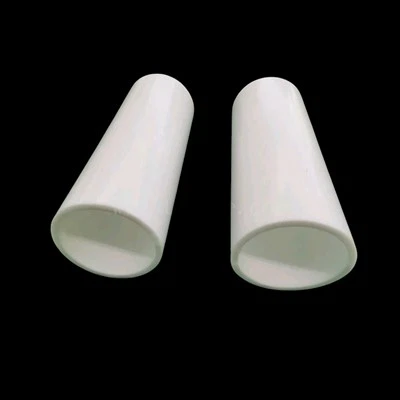
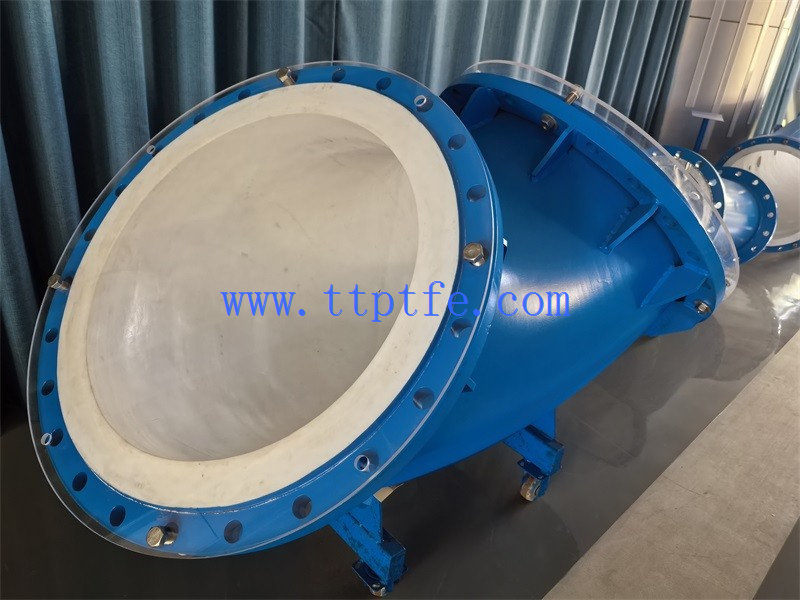
The construction of DN 800 tees can vary depending on the material and manufacturing process. Common materials include carbon steel, stainless steel, alloy steel, and sometimes lined materials such as PTFE Lined Tee. The manufacturing methods may involve forging, casting, or welding, each with its own set of advantages and limitations.
High - Pressure Considerations
High - pressure applications require pipe fittings that can withstand significant internal forces without failure. The pressure rating of a DN 800 tee is determined by several factors, including the material strength, wall thickness, and the quality of the manufacturing process.
Material Strength
Materials such as carbon steel and alloy steel are often preferred for high - pressure applications due to their high tensile and yield strength. For example, ASTM A105 carbon steel is commonly used in high - pressure piping systems. It has a minimum yield strength of 250 MPa and a minimum tensile strength of 485 MPa, which allows it to resist the forces exerted by high - pressure fluids or gases.
Wall Thickness
The wall thickness of a DN 800 tee is directly related to its pressure - bearing capacity. A thicker wall can withstand higher pressures by providing more material to resist the internal forces. However, increasing the wall thickness also increases the weight and cost of the fitting. Therefore, a balance must be struck between pressure requirements and practical considerations such as installation and cost.
Manufacturing Quality
The quality of the manufacturing process is also critical for high - pressure applications. Forged tees, for instance, generally have better mechanical properties than cast tees because the forging process aligns the grain structure of the material, improving its strength and ductility. Welded tees must also be carefully inspected to ensure the integrity of the weld joints, as any defects in the weld can lead to failure under high pressure.
High - Temperature Considerations
In addition to high pressure, high - temperature applications pose another set of challenges for DN 800 tees. At elevated temperatures, the material properties of the tee can change significantly, affecting its performance and durability.
Material Selection
When dealing with high temperatures, materials that can maintain their strength and integrity are essential. Stainless steels, such as ASTM A312 TP304 and TP316, are commonly used in high - temperature applications due to their excellent corrosion resistance and high - temperature strength. These materials can withstand temperatures up to 800 - 900°C without significant loss of strength.
Another option for high - temperature applications is the use of lined materials. PTFE Lined Tee provides excellent chemical resistance and can withstand temperatures up to 260°C. The PTFE lining acts as a barrier between the fluid or gas and the outer steel shell, protecting the steel from corrosion and reducing the risk of material degradation at high temperatures.
Thermal Expansion
One of the major challenges in high - temperature applications is thermal expansion. As the temperature of the fluid or gas flowing through the tee increases, the tee itself will expand. If the expansion is not properly accommodated, it can lead to excessive stress on the fitting, causing deformation or even failure. To address this issue, expansion joints or flexible connections may be used in the piping system to allow for thermal movement.
Simultaneous High - Pressure and High - Temperature Applications
When considering the suitability of a DN 800 tee for simultaneous high - pressure and high - temperature applications, both the pressure and temperature factors must be taken into account simultaneously.
Material Compatibility
The material selected for the tee must be able to withstand both high pressure and high temperature without significant degradation. For example, some high - strength alloy steels may have excellent pressure - bearing capacity but may not perform well at extremely high temperatures. On the other hand, PTFE - lined tees may have good temperature resistance but may not be suitable for very high - pressure applications due to the relatively low strength of the PTFE lining.
Design Considerations
The design of the tee must also be optimized for both high pressure and high temperature. This may involve increasing the wall thickness, using specialized manufacturing techniques, or incorporating features such as reinforcement ribs to improve the overall strength and stability of the fitting. Additionally, the tee should be designed to accommodate thermal expansion and contraction to prevent stress buildup.
Our Offerings as a DN 800 Tee Supplier
As a DN 800 tee supplier, we understand the importance of providing high - quality products that meet the specific requirements of our customers. We offer a wide range of DN 800 tees made from different materials, including carbon steel, stainless steel, and PTFE Lined Tee. Our products are manufactured to strict quality standards, ensuring their reliability and performance in high - pressure and high - temperature applications.
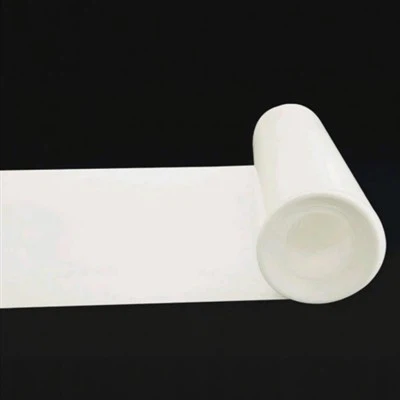
We also provide customized solutions to meet the unique needs of our customers. Whether you need a tee with a specific pressure rating, temperature resistance, or material composition, our team of experts can work with you to develop the perfect solution. In addition to DN 800 tees, we also offer related products such as PTFE Virgin Sheet and PTFE Lined 90 Degree Elbows, which can be used in conjunction with our tees to create a complete piping system.
Contact Us for Procurement
If you are in the market for a DN 800 tee for high - pressure and high - temperature applications, we invite you to contact us for a detailed discussion. Our team of sales representatives and technical experts is ready to assist you in selecting the right product for your needs. We can provide you with product specifications, pricing information, and any other technical details you may require.

References
- ASME B31.3 Process Piping Code
- ASTM Standards for Steel Pipes and Fittings
- Technical literature on PTFE materials and their applications