

Is PTFE Plastic Sheet Resistant to Abrasion?
As a supplier of PTFE plastic sheets, I often get asked about the abrasion resistance of these remarkable materials. PTFE, or polytetrafluoroethylene, is a synthetic fluoropolymer of tetrafluoroethylene that has numerous applications across various industries due to its unique properties. In this blog, I will delve into the question of whether PTFE plastic sheets are resistant to abrasion, exploring the factors that influence this property and its implications for different uses.
Understanding PTFE and Its General Properties
PTFE is well - known for its low coefficient of friction, which is one of the lowest among all known solid materials. This characteristic gives PTFE a self - lubricating quality, meaning that it can reduce friction between surfaces in contact. Additionally, PTFE has excellent chemical resistance, high temperature stability (able to withstand temperatures from - 200°C to 260°C), and is non - stick. These properties have made PTFE a popular choice in industries such as automotive, aerospace, food processing, and chemical manufacturing.

Abrasion Resistance of PTFE Plastic Sheets
The abrasion resistance of PTFE plastic sheets is a complex topic. On one hand, PTFE's low coefficient of friction does contribute to a certain degree of abrasion resistance. When in contact with another surface, the reduced friction means that there is less wear and tear caused by the relative movement between the surfaces. This is particularly beneficial in applications where sliding or rubbing occurs, such as in bearings, seals, and gaskets.
However, PTFE is a relatively soft material compared to some other engineering plastics. Its hardness is lower, which means that under high - pressure and high - load conditions, the PTFE plastic sheet may be more prone to abrasion. For example, if a PTFE sheet is used in a situation where there are sharp or abrasive particles constantly rubbing against it, the surface of the PTFE can be gradually worn away.
Factors Affecting Abrasion Resistance
- Load and Pressure: As mentioned earlier, high loads and pressures can significantly reduce the abrasion resistance of PTFE. When a heavy load is applied to the PTFE sheet, the material can deform more easily, making it more vulnerable to abrasion. Engineers need to carefully consider the maximum load that the PTFE will experience in a given application.
- Sliding Speed: The speed at which the PTFE sheet slides against another surface also plays a role. Higher sliding speeds can generate more heat due to friction, which may cause the PTFE to soften and wear out faster. In some high - speed applications, additional cooling or lubrication may be required to maintain the abrasion resistance of the PTFE.
- Surface Roughness of Contacting Materials: If the surface of the material that is in contact with the PTFE is rough, it can increase the abrasion rate. Rough surfaces have more asperities that can dig into the PTFE, causing more significant damage. Therefore, it is important to ensure that the mating surface is smooth to minimize abrasion.
- Additives and Fillers: Manufacturers can improve the abrasion resistance of PTFE by adding certain additives and fillers. For example, adding glass fibers, carbon fibers, or bronze powder to PTFE can increase its hardness and wear resistance. These filled PTFE materials are often used in applications where higher abrasion resistance is required.
Applications and Abrasion Resistance
- Automotive Industry: In the automotive industry, PTFE plastic sheets are used in various components such as seals, gaskets, and bushings. In these applications, the abrasion resistance of PTFE is crucial to ensure the long - term performance of the parts. For example, PTFE seals need to withstand the repeated movement of engine components, and their ability to resist abrasion helps to prevent leaks and maintain the efficiency of the engine.
- Aerospace Industry: In aerospace applications, PTFE sheets are used in areas where lightweight and high - performance materials are required. PTFE's abrasion resistance is important in parts such as control cables and bearings, where they need to operate smoothly under extreme conditions, including high speeds and low temperatures.
- Food Processing Industry: PTFE's non - stick and abrasion - resistant properties make it an ideal material for food processing equipment. PTFE sheets can be used as conveyor belts or linings in equipment where food products are transported or processed. The abrasion resistance ensures that the PTFE surface remains intact and does not contaminate the food products.
Related PTFE Products
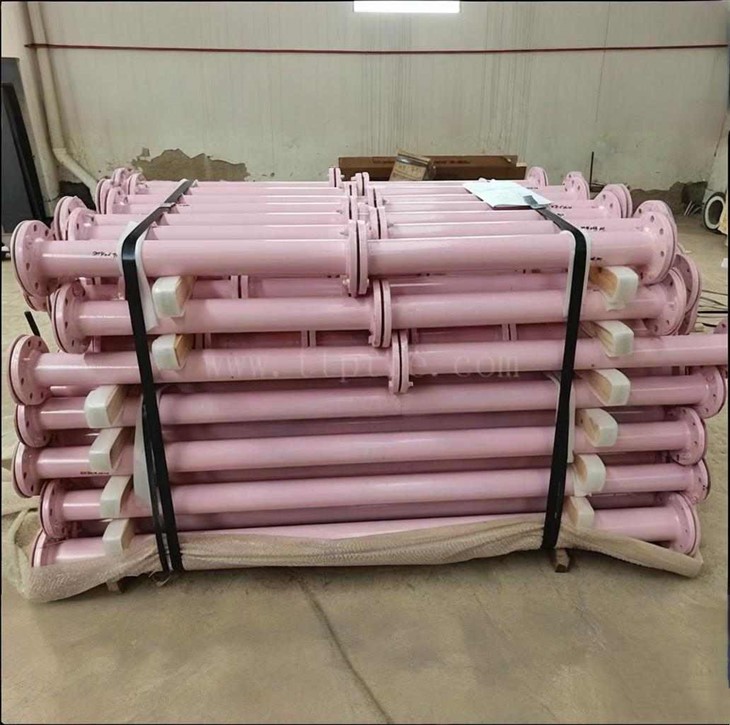
In addition to PTFE plastic sheets, our company also offers a wide range of other PTFE products. For example, we have PTFE Heat Shrink Tubing, which is used for insulation and protection of wires and cables. Our PTFE Lined Pipe is suitable for transporting corrosive fluids in chemical plants. The PTFE Convoluted Tubing provides flexibility in fluid transfer applications. We also offer PTFE Heat Shrink Tubing for different heat - shrinking requirements and PTFE Tube Connector for connecting PTFE tubes securely.
Conclusion
In conclusion, PTFE plastic sheets have a certain level of abrasion resistance due to their low coefficient of friction. However, their relatively soft nature means that under certain conditions, such as high loads, high speeds, and contact with rough surfaces, the abrasion resistance can be compromised. By carefully considering the application requirements and using filled PTFE materials when necessary, the abrasion resistance of PTFE can be optimized.
If you are in need of PTFE plastic sheets or any of our other PTFE products, we are here to provide you with high - quality solutions. Our team of experts can help you select the most suitable material for your specific application. Feel free to contact us to start a procurement discussion and find out how our products can meet your needs.





