


PTFE Heat Shrink Tubing
Yancheng Tongtong Industrial Technology Co.,Ltd
Most of the pipes designed and developed by Yancheng Tongtong Fluorine Plastic Manufacturing Co.,Ltd. are mostly supplied by OEMs to the UK, France, the United States, Germany and many other companies. The factory is located in Yancheng, the beautiful coast of the Yellow Sea. Founded in 2007, it has 150 sets of special equipment and 100 special pipelines. The factory continues to operate in ISO9001:2000 quality system. With strong technical force, there are more than 20 middle and senior technicians in undergraduate and junior colleges. The design adopts the most advanced Japanese technology, and the research and development speed is fast, which can meet the various needs of customers.
Why Choose Us
Our factory
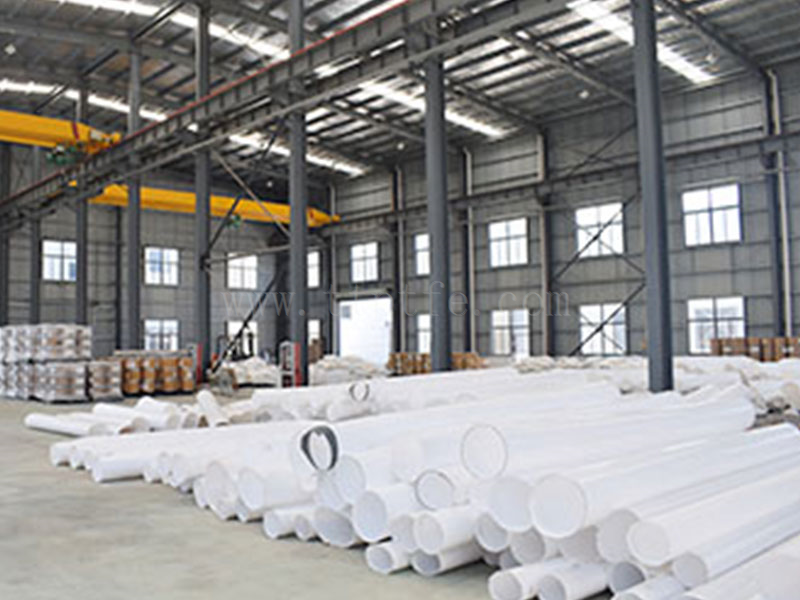
The factory is located in Yancheng, the beautiful coast of the Yellow Sea. Founded in 2007, it has 150 sets of special equipment and 100 special pipelines. The factory continues to operate in ISO9001:2000 quality system.
Advanced technology
With strong technical force, there are more than 20 middle and senior technicians in undergraduate and junior colleges. The design adopts the most advanced Japanese technology, and the research and development speed is fast, which can meet the various needs of customers.
Wide range of applications
The pipes produced by Tongtong are mainly used in the fields of machinery, chemical industry, aviation, electrical and electronics, national defense industry, cutting-edge technology, medical and electrical insulation and electrical insulation.
Our produce
The existing PTFE tubes, PTFE Plates , PTFE gaskets, PTFE Fittings and Equipments, and has the ability to develop and produce various PTFE products. Excellent products are praised by customers at home and abroad.

Thin-walled polytetrafluoroethylene (PTFE) pipes usually refer to polytetrafluoroethylene (PTFE) pipes with thinner wall thickness.
Bronze-filled PTFE (polytetrafluoroethylene) is a composite material that enhances its properties by adding bronze (a copper-tin alloy) as a filler to the PTFE matrix.

PTFE (Polytetrafluoroethylene), commonly known by the brand name Teflon, is a versatile and highly durable material used in various piping applications. PTFE Teflon pipes are renowned for their unique properties that make them suitable for a wide range of demanding environments.

PTFE tubing is utilized in automotive and aerospace applications due to its resistance to high temperatures, chemicals, and fuels.

Teflon tubes have a very low coefficient of friction, and almost all substances do not bond with PTFE coatings, making them very suitable for food processing, chemical pipelines and other fields.

PTFE (Polytetrafluoroethylene) pneumatic tubing is a specialized type of tubing designed for pneumatic applications where high performance and reliability are essential.

Rigid PTFE tubing combines superior chemical resistance, high temperature tolerance, low friction, electrical insulation, and biocompatibility, making it a preferred choice in industries ranging from chemical processing and automotive to medical devices and electronics.

The porous PTFE tubing's unique combination of permeability, chemical resistance, biocompatibility, and thermal stability makes it highly advantageous for a wide array of applications across different industries.

Black graphite Teflon tubing is a special type of polytetrafluoroethylene (PTFE) tubing that incorporates fillers such as graphite to enhance its performance.
What is PTFE Heat Shrink Tubing
PTFE heat shrink tubing is manufactured from polytetrafluoroethylene, an excellent high temperature covering and insulation material. Has added advantages of thin wall high shrink ratio, greater flexibility and transparency in application. Can be used within the medical industry.It is highly flame retardant and exhibits outstanding chemical and solvent resistance with electrical characteristics which remain stable over a wide temperature range. The operating temperature ranges from -70°C to +260°C and up to +400°C for short periods.The major uses of this material are for electrical insulation, protection of electronic components and the covering of hydraulic hose and coupling preventing contamination and corrosion. The high mechanical strength and extremely low coefficient of friction make it ideal for reducing damage to bearing shafts, etc.
Advantages of PTFE Heat Shrink Tubing
Protection
One of the prime benefits of PTFE heat shrink tubing is the protection offered to wires and cables when exposed to a variety of conditions and environments. In factories and manufacturing plants, wires and cables are subject to abrasion, scuffing, splitting, and constant wear when left exposed. Other factors in production environments can expose cabling to water or moisture such as steam, oils, grease, chemicals and acids.
Insulation Properties
Insulation of electrical wires and cables is first and foremost required to prevent electrical shock. However, the insulation of wires and cables also prevents the loss and dissipation of energy being conducted through the wiring. The material properties of cable insulators are non-conductive and designed to provide a buffer with anyone or anything that may come in contact with the cabling. Also, thicker insulation provides greater resistance and better transmission of the energy being conducted or information being transmitted. PTFE heat shrink tubing adds a layer of insulation to help the resistance and adds another level of safety.
Reduces Cable Stress
Though PTFE heat shrink tubing offers protection for cabling and wiring from exposure to environmental conditions, it also aids in preventing undue strain or stretching of wires and cables confined to insufficient space or length. Heat shrinking increases mechanical support for maintaining connectivity of wires and cables that otherwise would be subjected to strain and stress that could lead to premature failure.
Organization
There may be no better argument for the application of PTFE heat shrink tubing of wires, cabling, and components than to organize them. Bundling wires and cables are not only aesthetically pleasing, but good cable management allows for easy access during maintenance of the system.
Corrosion Resistance
Over time, in any environment, when oxygen combines with the metal it forms a new compound called oxide that weakens the bonds of the metal itself, causing it to corrode. Metals and their alloys used in wiring and cable applications can be made corrosion-resistant, but only insulating the material can ensure against corrosion. PTFE heat shrink tubing perfectly seals and protects wires and cabling from corrosion that might occur from external disturbances.
PTFE Heat Shrink Tubing Production Process Flow
PTFE heat shrink tubing is manufactured using polytetrafluoroethylene (PTFE) material and is utilized in multiple industries, such as aerospace, medical, and electronics, owing to its remarkable attributes that include high-temperature resistance, chemical resistance, and electrical insulation. The production process of PTFE heat shrink tubing encompasses a sequence of steps, which are discussed below.
Step 1: PTFE shrink tubing's raw material preparation
The foremost step in manufacturing PTFE heat shrink tubing is the preparation of raw materials. PTFE heat resistance resin is the core raw material used in the production process of PTFE heat shrink tubing. The PTFE heat resistance resin is commonly supplied in the form of granules or powder. The resin is further amalgamated with additional additives, such as pigments, fillers, and lubricants, to augment its properties.
Step 2: PTFE shrink tubing 'extrusion
The subsequent step in the production process is extrusion. The PTFE heat resistance resin is inserted into an extruder, which melts the resin and forcefully pushes it through a die to manifest a continuous tube. The extruded tube is then cooled and tailored to the required length.
Step 3: PTFEshrink tubing's orientation
The extruded tube is then oriented to enhance its properties. Orientation involves stretching the tube in the longitudinal direction to align the polymer chains. This process improves the strength and stiffness of the tubing.
Step 4: PTFE heat shrink
The oriented tube is then heated to a specific temperature to initiate heat shrinkage. The heat causes the tube to contract in diameter and expand in length. The magnitude of shrinkage relies on the temperature and duration of exposure to heat
Step 5: PTFE heat shrink cutting and in spection
The PTFE heat-shrink tubing is sliced to the desired length and inspected for defects such as cracks, voids, and pinholes. Any defective tubing is discarded, and only high-quality tubing is used for further processing.
Step 6:PTFE shrink tubing 's printing and packaging
The final step in the production process is printing and packaging. The tubing is printed with product information, such as size, material, and manufacturer's name. The tubing is then packaged in boxes or reels and dispatched to customers.

It is important when using PTFE heat shrink tubing to proceed with caution and observe basic safety measures to avoid accidents or injuries. Here's how to use PTFE heat shrink tubing:
Begin by choosing the right size tubing with the correct shrink ratio. It should comfortably cover the wire or components before it has been shrunk into place to ensure a tight fit afterwards. Remember that it will be across both its breadth and its length
If the components to be covered could change size after application, ensure that the tubing has sufficient expandability by comparing its diameter when shrunk (called the 'recovered' diameter) with its size before shrinking (called the 'expanded' diameter). Check the recommended heating temperature for the tube to avoid uneven application or melts
Cut a suitable length of tubing using standard scissors and lay or slide this over the target components. It's now time to heat the shrink wrap. This can be done with a hand held heat gun or a PTFE heat shrink oven. The latter are specialist appliances for more precise and advanced heat application
If you use a gun, move the heat back and forth across the tubing and avoid staying in one place to minimise the risk of burns. Continue until the wrap has been tightly secured.
5 Steps to Choosing the Right Heat Shrink Tubing
Industrial, Military/Aerospace vs. Medical Application
While the vast majority of PTFE heat shrink tubing can be used in industrial applications (provided all other application requirements are satisfied), when it comes to military/aerospace applications or medical applications additional considerations have to be accounted for.
These specifications can govern the various aspects of the product including but not limited to continuous operating temperature ratings, colors and color designators, dimensions and tolerances, and many physical properties deemed appropriate by the standard. Due to their proven rigor and wide acceptance, many industrial applications will also reference MIL-specs for ease of design and procurement. For Industrial applications, some applications require UL or CSA which is not always available for every configuration of PTFE heat shrink tubing (for example clear-colored Polyolefin heat shrink is not available in UL or CSA).
PTFE heat shrink tubing for medical applications is widely used in surgical devices, general medical instruments, and balloon/stent applications. Medical-grade heat shrink can vary drastically from Industrial-grade products in their materials of construction and general design characteristics, as well as how they are manufactured and controlled for quality, consistency, and traceability.
Single Wall vs. Dual Wall (Adhesive-lined)
Single-wall tubing (also known as General Purpose tubing) is the most common type of heat shrink and is suitable for most insulation, sealing, and strain relief applications. It provides the flexibility and "form fit" shrinkability that is desired in these applications.
Dual-wall heat shrink has an internal adhesive lining that when heated with a heat shrink gun, will melt, flow, and bond around the encapsulated parts and provide an excellent layer of moisture-protection that is desired in more severe applications.
Materials of Construction
The type of material used for PTFE heat shrink tubing is the primary determinant of its performance properties, from maximum temperature rating to chemical and electrical properties.
Correct Sizing (Diameters and Shrink Ratios)
Typically PTFE heat shrink tubing will be denoted by a nominal size, such as 3/32 inches, which corresponds to the expanded inner diameter prior to recovery (Expanded ID). The PTFE heat shrink tubing in question will also have a maximum recovered inner diameter (Max Recovered ID) which is the largest inner diameter the tubing will have after it has been heated and shrunk. The most common shrink ratios of before and after diameters are 2:1 and 3:1 but others are available depending upon application and construction.
Additional Considerations
Once the application, wall-construction, material of construction and sizing are analyzed and selected there are a few optional but still important factors to take into consideration:
Cut-to-Length vs. Continuous Spool: Most PTFE heat shrink tubing is available in continuous spools that can be cut to the appropriate length during the manufacturing process. While this results in increased flexibility it does require the additional measuring and cutting steps that can interrupt a production process. Alternatively, customized pre-cut PTFE heat shrink tubing is available which provides exact length(s), tolerances, and quantities in a production-ready state. Some common types of tubing are available as off-the-shelf, pre-cut lengths, and packages.
Marked heat shrinking tubing: heat shrink can also be marked or printed on for identification purposes. This can include bar codes, logos, or any number of information types.
PTFE heat shrink tubing market has witnessed steady growth, driven by its remarkable properties and diverse applications across industries. PTFE heat shrink tubing is highly regarded for its exceptional resistance to heat, chemicals, and electricity, making it an ideal choice for various demanding environments. The tubing offers excellent insulation properties, maintaining its integrity even in extreme temperatures, ranging from cryogenic conditions to high heat environments. This feature makes it invaluable in industries such as aerospace, automotive, electronics, and telecommunications, where thermal management and electrical insulation are critical.
Additionally, PTFE heat shrink tubing provides superior resistance to corrosion, abrasion, and UV radiation, ensuring long-term reliability in harsh operating conditions. Its versatility further extends to medical and pharmaceutical applications, where its biocompatibility and inertness make it suitable for use in medical devices, surgical instruments, and chemical processing equipment.The PTFE heat shrink tubing market is experiencing significant expansion due to the growing demand for high-performance materials in various end-user industries.
Advancements in manufacturing technologies have led to the development of PTFE heat shrink tubing with enhanced properties, including thinner walls, tighter tolerances, and improved flexibility, catering to the evolving needs of customers. Moreover, the increasing emphasis on safety, efficiency, and sustainability in industrial operations is driving the adoption of PTFE heat shrink tubing as a reliable solution for insulation, protection, and sealing purposes. The market is also benefiting from the rising investments in infrastructure development, particularly in emerging economies, where rapid industrialization and urbanization are driving the demand for advanced materials. However, challenges such as fluctuating raw material prices and regulatory constraints regarding the use of certain chemicals in PTFE formulations may hinder market growth to some extent.
Nonetheless, strategic collaborations, product innovations, and geographical expansion initiatives by key players are expected to sustain the momentum in the PTFE heat shrink tubing market, ensuring continued growth and profitability in the foreseeable future.
Application of PTFE Heat Shrink Tubing
Electrical and Electronics
PTFE heat shrink tubing is widely used in electrical and electronic applications due to its excellent dielectric properties and resistance to high temperatures. It is used for insulating and protecting wires, cables, connectors, and components in applications where extreme temperatures, harsh chemicals, or high voltages are present.
Aerospace and Aviation
In the aerospace and aviation industries, Ptfe Corrugated Tubing is utilized for wire harnessing, cable bundling, and insulation in aircraft and spacecraft systems. Its resistance to chemicals, fuels, and extreme temperatures makes it suitable for use in demanding environments encountered in aerospace applications.
Automotive and Transportation
PTFE heat shrink tubing is employed in automotive and transportation applications for wire harnessing, fluid transfer systems, and electrical insulation. It provides protection against abrasion, chemicals, and high temperatures, making it suitable for use in engine compartments, undercarriages, and other harsh environments.
Medical Devices
PTFE heat shrink tubing is used in the medical device industry for applications such as catheter manufacturing, insulation of medical wires and cables, and protection of sensors and components. Its biocompatibility, chemical resistance, and sterilization capabilities make it ideal for use in medical applications where safety and reliability are paramount.
Chemical Processing
PTFE heat shrink tubing is utilized in chemical processing plants for corrosion protection, insulation, and containment of chemicals and corrosive fluids. It is resistant to a wide range of chemicals and can withstand high temperatures, making it suitable for use in aggressive chemical environments.
Laboratory and Analytical Instruments
PTFE heat shrink tubing is employed in laboratory and analytical instruments for insulation, protection, and fluid handling applications. Its inertness, high temperature resistance, and low friction properties make it ideal for use in chromatography columns, sample transfer lines, and other laboratory equipment.
Oil and Gas Industry
PTFE heat shrink tubing is used in the oil and gas industry for insulation, protection, and sealing of electrical components, sensors, and instrumentation in harsh environments such as offshore drilling platforms and pipelines. Its resistance to chemicals, corrosion, and extreme temperatures makes it well-suited for use in demanding oil and gas applications.
FAQ
Hot Tags: ptfe heat shrink tubing, China ptfe heat shrink tubing manufacturers, suppliers, factory, ptfe tube connector, welded ptfe tubing, square ptfe tubing, acid resistant tubing, ptfe heat shrink tubing, ptfe teflon pipe
Previous
PTFE TubingYou Might Also Like


Send Inquiry