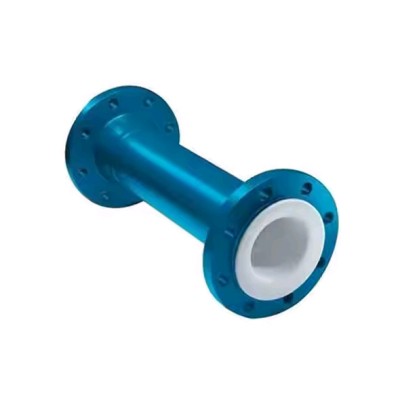
When it comes to high - performance tubing in various industrial and scientific applications, PTFE and Teflon tubing often come up in discussions. As a supplier of PTFE and Teflon tubing, I am frequently asked about the differences between these two. In this blog post, I'll delve into the details to clarify any confusion and help you make informed decisions for your projects.
What is PTFE?
PTFE stands for Polytetrafluoroethylene. It is a synthetic fluoropolymer of tetrafluoroethylene. PTFE is well - known for its remarkable chemical resistance. It can withstand a wide range of chemicals, including strong acids, bases, and organic solvents. This makes it an ideal choice for applications in the chemical processing industry, where tubing needs to transport corrosive substances without degradation.
Another outstanding property of PTFE is its low coefficient of friction. PTFE surfaces are extremely slippery, which reduces the resistance when fluids flow through PTFE tubing. This is beneficial in applications such as pneumatic systems, where smooth fluid transfer is crucial. Additionally, PTFE has excellent electrical insulation properties, making it suitable for use in the electrical and electronics industries. It can operate over a wide temperature range, typically from - 200°C to + 260°C, maintaining its physical and chemical properties.
What is Teflon?
Teflon is actually a brand name owned by Chemours (formerly a part of DuPont). Teflon is often used as a synonym for PTFE, but strictly speaking, Teflon refers to a family of fluoropolymer products, with PTFE being the most well - known member. Chemours has developed and marketed Teflon - branded PTFE products with various additives and modifications to enhance specific properties for different applications.
For example, Teflon - branded PTFE may have improved mechanical strength, better release properties, or enhanced resistance to certain environmental factors compared to standard PTFE. These specialized formulations are designed to meet the unique requirements of different industries, such as the food processing industry, where non - stick and easy - to - clean surfaces are essential.
Physical and Chemical Differences
- Molecular Structure:
Both PTFE and Teflon (PTFE - based Teflon products) have the same basic molecular structure, which consists of a carbon backbone with fluorine atoms attached. The strong carbon - fluorine bonds give these materials their unique properties. However, Teflon products may have some minor structural differences due to the addition of additives or the use of different manufacturing processes. - Mechanical Properties:
In general, standard PTFE tubing has relatively low mechanical strength and is somewhat flexible. It can be easily bent and shaped, but it may not be suitable for applications where high pressure or significant mechanical stress is involved. On the other hand, some Teflon - branded PTFE tubing may have enhanced mechanical properties. For instance, Rigid PTFE Tubing with Teflon - specific formulations can offer better stiffness and resistance to deformation under pressure. - Surface Properties:
PTFE has a very smooth and non - stick surface. This property is utilized in many applications, such as in the coating of cookware. Teflon products, especially those designed for non - stick applications, may have an even more refined non - stick surface. The Teflon brand has been associated with excellent release properties, which means that substances are less likely to adhere to the surface of Teflon - coated PTFE tubing. - Chemical Resistance:
Both PTFE and Teflon tubing have outstanding chemical resistance. However, some Teflon - formulated products may be engineered to have enhanced resistance to specific chemicals. For example, in applications where exposure to a particular type of aggressive chemical is expected, Teflon - branded PTFE tubing may be designed to provide better long - term performance.
Applications
- Chemical Processing:
PTFE tubing is widely used in chemical processing plants for transporting corrosive chemicals. Its chemical inertness ensures that it does not react with the chemicals being transported, preventing contamination and ensuring the integrity of the process. Teflon - branded PTFE tubing may be preferred in more demanding chemical applications, where the need for enhanced chemical resistance or better mechanical stability under harsh chemical environments is crucial. - Food and Beverage Industry:
In the food and beverage industry, PTFE and Teflon tubing are used for fluid transfer. Teflon - coated PTFE tubing is often chosen for its non - stick properties, which make it easy to clean and prevent the buildup of food residues. This helps to maintain hygiene standards and reduces the risk of cross - contamination. - Medical and Pharmaceutical Applications:
PTFE tubing is used in medical devices for applications such as catheters and fluid delivery systems. Its biocompatibility and chemical resistance make it suitable for contact with bodily fluids. Teflon - branded PTFE tubing may be used in more specialized medical applications, where the need for a high - quality, reliable tubing material is essential. - Electrical and Electronics:
PTFE's excellent electrical insulation properties make it a popular choice for wiring and cable insulation in the electrical and electronics industries. Teflon - branded PTFE may be used in high - performance electronic devices, where the need for precise electrical performance and environmental stability is required.
Cost and Availability
- Cost:
PTFE tubing is generally more cost - effective compared to Teflon - branded PTFE tubing. The Teflon brand represents a certain level of quality and specialized formulations, which often come at a higher price. However, the cost difference may be justified in applications where the enhanced properties of Teflon - branded products are necessary. - Availability:
PTFE tubing is widely available in the market, with many suppliers offering a variety of sizes and specifications. Teflon - branded PTFE tubing may be more limited in availability, as it is a branded product. However, as a supplier of both PTFE and Teflon tubing, we are able to source and provide a wide range of options to meet your needs.
Quality and Certification
- Quality Control:
As a supplier, we ensure that all our PTFE and Teflon tubing products meet high - quality standards. We conduct strict quality control checks during the manufacturing process to ensure that the tubing has the required physical and chemical properties. For Teflon - branded products, we source them from reliable manufacturers who adhere to the high - quality standards set by Chemours. - Certification:
Our PTFE and Teflon tubing products may be certified for various applications. For example, in the food and beverage industry, our tubing may be certified to meet food - grade standards. In the medical field, it may be certified for biocompatibility. These certifications provide assurance that our products are safe and suitable for use in specific applications.
Customization
We understand that different customers may have unique requirements for their PTFE and Teflon tubing. That's why we offer customization services. Whether you need Thin Wall PTFE Tubing for a space - constrained application or tubing with a specific inner diameter and outer diameter, we can work with you to develop a customized solution. We can also provide different types of PTFE Tube Connector to ensure a proper and secure connection for your tubing system.


Conclusion
In summary, while PTFE and Teflon tubing are closely related, there are some differences between them. PTFE is the generic term for the polymer, while Teflon is a well - known brand of PTFE - based products. The differences lie in the formulation, enhanced properties, and brand - associated quality. The choice between PTFE and Teflon tubing depends on your specific application requirements, budget, and the level of performance you need.
If you are in the market for PTFE or Teflon tubing, we invite you to contact us for a detailed discussion about your needs. Our team of experts is ready to assist you in selecting the right tubing product for your project. We can provide samples, technical specifications, and pricing information to help you make an informed decision. Let's work together to find the best tubing solution for your application.
References
- "Fluoropolymers: Synthesis, Properties, and Applications" by John Scheirs
- "Handbook of Plastics, Elastomers, and Composites" by Charles A. Harper
- Technical literature provided by Chemours on Teflon products