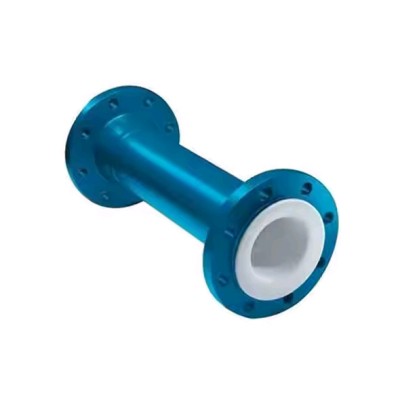
Hey there! I'm a supplier of PTFE step rings, and today I wanna chat about the friction coefficient of a PTFE step ring.
First off, let's talk a bit about what PTFE is. PTFE stands for polytetrafluoroethylene. It's a super - useful synthetic fluoropolymer with some amazing properties. You've probably heard of Teflon, well, Teflon is a well - known brand of PTFE. One of the reasons why PTFE is so popular in making step rings is its low friction coefficient.
The friction coefficient is a measure of how difficult it is for one surface to slide over another. In the case of a PTFE step ring, a low friction coefficient means that when it's in use, say in a mechanical system, there's less resistance when it moves against other parts. This is a huge advantage because it reduces wear and tear on the ring and the parts it's in contact with, and it also means less energy is wasted in getting the system to work.
So, what exactly is the friction coefficient of a PTFE step ring? Well, it can vary depending on a few factors. The typical friction coefficient of pure PTFE against a smooth metal surface is usually in the range of 0.04 to 0.1. That's pretty low compared to a lot of other materials.
One of the big factors that can affect the friction coefficient is the surface finish of the mating parts. If the surface it's sliding against is rough, the friction coefficient will be higher. Imagine trying to slide a block over a bumpy road versus a smooth one - much harder on the bumpy road, right? Similarly, a PTFE step ring will experience more friction when in contact with a rough - surfaced part.
The load applied to the PTFE step ring also plays a role. As the load increases, the friction coefficient can change. At low loads, the friction might be relatively stable, but as you crank up the load, the contact between the PTFE and the mating surface becomes more intense, and this can lead to an increase in the friction coefficient.


Temperature is another crucial factor. PTFE has a relatively stable friction coefficient over a wide temperature range. But at extremely high or low temperatures, things can start to change. At high temperatures, the PTFE might start to soften a bit, and this can affect how it interacts with the mating surface, potentially increasing the friction coefficient. On the other hand, at very low temperatures, the PTFE can become more brittle, and this might also have an impact on the friction.
Now, as a PTFE step ring supplier, I know that different applications require different friction coefficients. For example, in some precision machinery, you might need a very low and consistent friction coefficient to ensure smooth and accurate operation. In other heavy - duty applications, the ring might need to withstand higher loads and still maintain an acceptable level of friction.
That's where we come in. We offer a variety of PTFE step rings with different properties to meet your specific needs. Our PTFE Step Ring is designed with high - quality PTFE materials that are carefully selected to provide the right balance of friction coefficient and other important properties like durability and chemical resistance.
If you're dealing with a hydraulic or pneumatic system, you might also be interested in our PTFE Glyd Ring Rod Seal with Oring. This product combines the low - friction benefits of PTFE with the excellent sealing properties of an O - ring, making it a great choice for many applications.
When you're looking for a PTFE step ring, it's not just about the friction coefficient. You also need to consider things like the size and shape of the ring, the pressure it will be exposed to, and the chemical environment it will operate in. And that's where our expertise comes in handy. We have a team of experts who can help you choose the right ring for your application.
We've been in this business for a while, and we understand the importance of quality. We use advanced manufacturing processes to ensure that each of our PTFE step rings meets the highest standards. We test our products rigorously to make sure that they perform as expected, especially when it comes to the friction coefficient.
If you're in the market for PTFE step rings or seals, we'd love to have a chat with you. Whether you're a small - scale manufacturer or a large industrial company, we can provide you with the products and support you need. Contact us to discuss your requirements, and let's work together to find the perfect PTFE solution for your project.
In conclusion, the friction coefficient of a PTFE step ring is a key property that can have a big impact on its performance. It's influenced by factors like surface finish, load, and temperature. As a reliable supplier, we're committed to providing you with high - quality PTFE step rings that offer the right combination of friction coefficient and other essential properties. So don't hesitate to reach out if you're looking for top - notch PTFE products.