Hey there! As a supplier of PTFE tube connectors, I often get asked about the hardness of these little but super - important components. So, let's dig deep into what the hardness of PTFE tube connectors really means.
First off, PTFE, or polytetrafluoroethylene, is a well - known synthetic fluoropolymer. It's got some amazing properties that make it a top choice in a whole bunch of industries. When we talk about the hardness of PTFE tube connectors, we're essentially looking at how resistant they are to indentation, scratching, and wear.
The hardness of PTFE is typically measured on the Shore D hardness scale. For PTFE tube connectors, the Shore D hardness usually falls in the range of 50 - 65. Now, what does that mean in real - world terms? Well, compared to some other materials, PTFE is relatively soft. Metals, for example, have much higher hardness values. But don't let that softness fool you! This level of hardness gives PTFE tube connectors some unique advantages.
One of the key benefits of the relatively low hardness of PTFE tube connectors is their flexibility. They can easily conform to different shapes and surfaces. This is incredibly useful when you're trying to connect tubes in complex setups. Whether it's in a laboratory environment where you need to connect delicate glass tubes or in an industrial setting with custom - shaped pipes, the flexibility of PTFE tube connectors makes the connection process a breeze.
Another advantage is their ability to seal well. The softness allows them to create a tight seal around the tubes they're connecting. This is crucial in applications where you can't afford any leaks. For instance, in chemical processing plants, where hazardous chemicals are being transported through tubes, a proper seal is essential to prevent any spills or leaks that could be dangerous to both the environment and the workers.
However, the lower hardness also means that PTFE tube connectors have some limitations. They're not as suitable for high - pressure applications as harder materials. If you try to use them in a system with extremely high pressure, there's a risk that the connectors could get deformed or even break. So, it's important to carefully assess the pressure requirements of your application before choosing PTFE tube connectors.
Now, let's talk about how the hardness of PTFE tube connectors can be affected by external factors. Temperature is a big one. PTFE has a relatively low melting point compared to metals. As the temperature rises, the hardness of PTFE tube connectors decreases. This means that in high - temperature environments, the connectors may become softer and less able to maintain their shape and seal. On the flip side, in very cold temperatures, PTFE can become more brittle, which also affects its performance.
The chemical environment also plays a role. PTFE is known for its excellent chemical resistance, but certain aggressive chemicals can still have an impact on its hardness. Some strong oxidizing agents or highly concentrated acids might cause the PTFE to swell or degrade over time, which can change its hardness and compromise its performance as a tube connector.
When it comes to the manufacturing process, it can also influence the hardness of PTFE tube connectors. The way the PTFE is molded and processed can result in slight variations in hardness. For example, if the molding temperature or pressure is not carefully controlled, it could lead to uneven hardness across the connector.
As a PTFE tube connector supplier, I understand the importance of providing high - quality products with consistent hardness. We use advanced manufacturing techniques to ensure that each connector meets the specified hardness range. We also conduct rigorous quality control tests to make sure that the connectors can perform well in different applications.
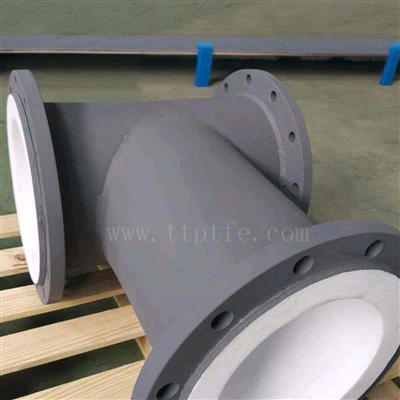
If you're in the market for PTFE tube connectors, you might also be interested in some related products. Check out our PTFE Lined Pipe, which offers excellent corrosion resistance. Our PTFE Heat Shrink Tubing is great for insulating and protecting wires and cables. And don't forget about our PTFE Teflon Pipe, which is widely used in various industries.

In conclusion, the hardness of PTFE tube connectors is a critical factor that affects their performance, advantages, and limitations. Understanding this hardness can help you make the right choice for your specific application. If you have any questions about PTFE tube connectors or need help selecting the right ones for your project, don't hesitate to reach out. We're here to assist you with all your PTFE tube connector needs and can provide more detailed information based on your requirements. Let's have a chat and see how we can work together to find the perfect solution for you.
References:
- "Handbook of Fluoropolymer Science and Technology"
- Industry reports on PTFE applications and properties