What is the Shear Strength of PTFE Plastic Sheet?
As a supplier of PTFE plastic sheets, I often encounter inquiries about the various properties of our products, and one question that frequently comes up is about the shear strength of PTFE plastic sheets. In this blog post, I'll delve into what shear strength is, how it applies to PTFE plastic sheets, and why it matters in different applications.
Understanding Shear Strength
Shear strength is a fundamental mechanical property that refers to the maximum amount of shear stress a material can withstand before it fails or deforms. Shear stress occurs when two parallel forces act in opposite directions on a material, causing it to slide or deform along a plane parallel to the forces. In simpler terms, it's like when you try to slide one layer of a material over another.
For PTFE (polytetrafluoroethylene) plastic sheets, shear strength is an important characteristic as it determines how well the material can resist forces that tend to cause it to shear or slide. This property is crucial in applications where the PTFE sheet may be subjected to lateral forces or where it needs to maintain its shape and integrity under such conditions.
Factors Affecting the Shear Strength of PTFE Plastic Sheets
Several factors can influence the shear strength of PTFE plastic sheets. One of the primary factors is the manufacturing process. PTFE sheets can be produced through different methods, such as molding or extrusion, and each method can result in a slightly different microstructure and mechanical properties. For example, sheets produced by a well - controlled extrusion process may have a more uniform structure, which can contribute to better shear strength compared to sheets with a less consistent microstructure.
The density of the PTFE sheet also plays a role. Generally, higher - density PTFE sheets tend to have higher shear strength. This is because a higher density means there are more polymer chains packed closely together, providing greater resistance to shear forces.
Temperature is another critical factor. PTFE is known for its excellent thermal stability, but its mechanical properties, including shear strength, can change with temperature. At elevated temperatures, the polymer chains in PTFE become more mobile, which can lead to a decrease in shear strength. Conversely, at very low temperatures, the material may become more brittle, also affecting its shear strength characteristics.
Measuring the Shear Strength of PTFE Plastic Sheets
To determine the shear strength of PTFE plastic sheets, standardized testing methods are used. One common method is the double - lap shear test. In this test, two PTFE sheets are bonded together with an adhesive, and then a force is applied parallel to the bond line until the bond fails or the sheets shear. The maximum force applied before failure is recorded, and the shear strength is calculated by dividing this force by the area of the bonded surface.
Another method is the single - lap shear test, which is similar but involves only one lap of the PTFE sheet. These tests provide valuable data on the shear strength of PTFE sheets under specific conditions, allowing engineers and designers to select the appropriate material for their applications.
Applications and the Importance of Shear Strength
The shear strength of PTFE plastic sheets is of great significance in a wide range of applications. In the aerospace industry, PTFE sheets are used in gaskets and seals. These components need to have sufficient shear strength to withstand the high - pressure and high - stress environments found in aircraft engines and hydraulic systems. If the shear strength is too low, the gaskets may fail, leading to leaks and potential safety hazards.
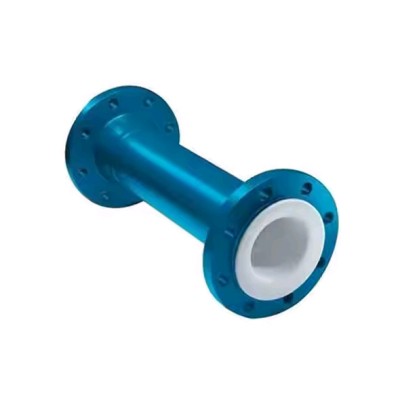
In the chemical processing industry, PTFE sheets are used as linings for tanks and pipes. They need to resist the shear forces caused by the flow of chemicals and the movement of equipment. A PTFE lining with good shear strength can ensure the long - term integrity of the equipment and prevent chemical leaks.
In the electrical industry, PTFE sheets are used as insulation materials. When subjected to mechanical vibrations or external forces, the sheets need to maintain their shape and position. Adequate shear strength ensures that the insulation remains intact, preventing electrical short - circuits and other malfunctions.
Comparing PTFE with Other Materials in Terms of Shear Strength
When compared to other plastics, PTFE has unique shear strength characteristics. For example, compared to polyethylene, PTFE generally has higher shear strength, especially at elevated temperatures. Polyethylene may soften and lose its shear strength more rapidly at high temperatures, while PTFE can maintain a relatively stable shear strength over a wider temperature range.
However, compared to some engineering plastics like polycarbonate or nylon, PTFE's shear strength may be lower in certain conditions. But PTFE makes up for this with its other outstanding properties, such as its chemical resistance, low friction coefficient, and non - stick surface.

Our PTFE Plastic Sheets and Shear Strength
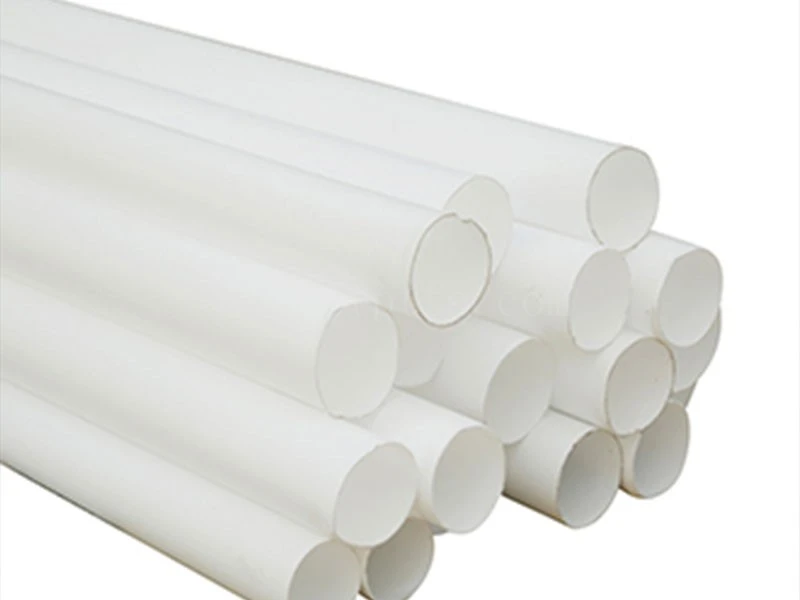
As a PTFE plastic sheet supplier, we are committed to providing high - quality products with excellent shear strength. Our manufacturing process is carefully controlled to ensure a consistent and high - quality microstructure. We offer a range of PTFE sheets with different densities to meet the specific shear strength requirements of various applications.
Whether you need a PTFE sheet for a high - temperature aerospace application or a chemical - resistant lining for a tank, we can provide the right product. Our technical team can also assist you in selecting the most suitable PTFE sheet based on your shear strength needs and other performance requirements.
If you are interested in learning more about the shear strength of our PTFE plastic sheets or exploring our product range, you can visit our website to find detailed information about our offerings, such as Porous PTFE Tubing, Virgin Teflon Pipe, and PTFE Convoluted Tubing.
Conclusion
The shear strength of PTFE plastic sheets is a crucial property that determines their performance in a variety of applications. Understanding the factors that affect shear strength, how it is measured, and its importance in different industries can help you make informed decisions when selecting PTFE sheets for your projects.
As a reliable PTFE plastic sheet supplier, we are here to provide you with high - quality products and professional advice. If you have any questions or are interested in purchasing our PTFE sheets, please feel free to contact us for further discussions and procurement negotiations.
References
- "Handbook of Plastics, Elastomers, and Composites" by Charles A. Harper
- "Polymer Science and Technology" by Donald R. Paul and Christopher B. Bucknall
- ASTM standards related to shear strength testing of plastics