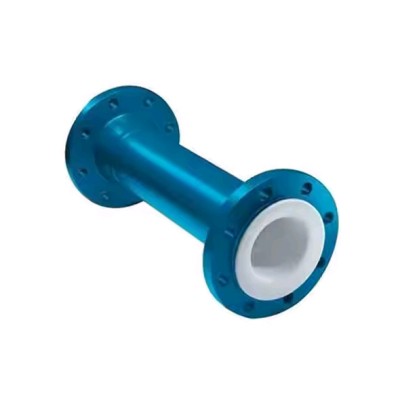
When it comes to high - performance tubing solutions, PTFE convoluted tubing stands out for its remarkable properties and wide - ranging applications. As a leading supplier of PTFE convoluted tubing, I'm excited to delve into the topic of its surface finish, exploring what it is, why it matters, and how it impacts the tubing's performance.
Understanding PTFE Convoluted Tubing
Before we discuss the surface finish, let's briefly understand what PTFE Convoluted Tubing is. PTFE, or polytetrafluoroethylene, is a synthetic fluoropolymer known for its outstanding chemical resistance, low friction coefficient, high temperature resistance, and non - stick properties. Convoluted tubing, on the other hand, has a series of ridges and grooves along its length, which provide flexibility and kink resistance.


Combining these two features, PTFE convoluted tubing offers a versatile solution for various industries, including chemical processing, food and beverage, pharmaceutical, and automotive. It can be used for fluid transfer, cable protection, and other applications where flexibility, chemical resistance, and durability are required.
What is the Surface Finish of PTFE Convoluted Tubing?
The surface finish of PTFE convoluted tubing refers to the texture and quality of its outer and inner surfaces. It is determined by several factors during the manufacturing process, including extrusion techniques, tooling, and finishing treatments.
Inner Surface Finish
The inner surface of PTFE convoluted tubing is critical as it comes into direct contact with the conveyed fluid or material. A smooth inner surface is highly desirable in many applications. It reduces friction, which minimizes pressure drop during fluid flow. This is especially important in systems where precise flow control is necessary. For example, in pharmaceutical and food - grade applications, a smooth inner surface prevents the build - up of contaminants and makes the tubing easier to clean, ensuring compliance with strict hygiene standards.
Our manufacturing process allows us to achieve a very smooth inner surface finish, which not only enhances the tubing's performance but also extends its service life by reducing wear and tear caused by the flow of abrasive materials.
Outer Surface Finish
The outer surface finish of PTFE convoluted tubing also plays an important role. The convoluted design itself gives the tubing a characteristic ridged appearance. However, the smoothness of these ridges and the overall texture of the outer surface can vary. A well - finished outer surface provides better abrasion resistance. It can withstand rubbing against other objects or surfaces without damage, which is crucial in applications where the tubing may be subject to mechanical stress.
In addition, a consistent outer surface finish can improve the tubing's aesthetics. This may not be a primary concern in some industrial applications, but in consumer products or applications where appearance matters, such as in high - end medical devices or automotive interiors, a good outer surface finish can enhance the product's overall appeal.
Factors Affecting the Surface Finish
Manufacturing Process
The extrusion process is a key factor in determining the surface finish of PTFE convoluted tubing. During extrusion, the molten PTFE is forced through a die to create the tubing's shape. The quality of the die, its surface roughness, and the extrusion speed all influence the final surface finish. A high - precision die with a smooth surface can produce tubing with a better finish. Additionally, controlling the extrusion speed ensures a uniform flow of the PTFE, which contributes to a consistent surface texture.
Additives and Fillers
Sometimes, additives or fillers are incorporated into the PTFE material to enhance its properties. For example, Bronze Filled PTFE contains bronze particles, which can improve the tubing's mechanical strength and wear resistance. However, these additives can also affect the surface finish. The presence of particles can make the surface slightly rougher, although proper processing techniques can minimize this impact.
Importance of Surface Finish in Different Applications
Chemical Processing
In chemical processing plants, PTFE convoluted tubing is often used to transfer corrosive chemicals. A smooth inner surface finish is essential to prevent chemical reactions caused by the accumulation of residues on the tubing walls. It also ensures that the flow of chemicals is not hindered, which could lead to inefficiencies or safety hazards.
Food and Beverage Industry
In the food and beverage industry, hygiene is of utmost importance. The smooth inner surface finish of PTFE convoluted tubing makes it easy to clean and sanitize, preventing the growth of bacteria and other contaminants. This helps food and beverage manufacturers comply with strict regulatory requirements and maintain product quality.
Automotive Sector
In the automotive sector, PTFE convoluted tubing is used for various applications, such as fuel lines and cable protection. A good outer surface finish provides abrasion resistance, protecting the tubing from damage due to vibrations and contact with other components. This enhances the reliability and longevity of the tubing in automotive systems.
Comparison with Other PTFE Tubing Types
Porous PTFE Tubing
Porous PTFE Tubing has a different surface structure compared to convoluted tubing. Its porous nature gives it unique properties, such as high breathability and filtration capabilities. However, the surface finish is not as smooth as that of convoluted tubing. The pores on the surface can trap particles, which may not be suitable for applications where a clean, smooth surface is required.
Teflon PTFE Pipe
Teflon PTFE Pipe is typically straight and has a more uniform surface compared to convoluted tubing. While it offers excellent chemical resistance and durability, it lacks the flexibility provided by the convoluted design. The surface finish of Teflon PTFE pipe can be very smooth, but in applications where flexibility is a key requirement, PTFE convoluted tubing may be a better choice.
PTFE Teflon Tubing
PTFE Teflon Tubing is a general term that can refer to both convoluted and straight tubing. The surface finish of PTFE Teflon tubing can vary depending on its specific design and manufacturing process. Convoluted PTFE Teflon tubing offers the advantage of flexibility along with the unique surface finish characteristics associated with the convoluted design.
Maintaining the Surface Finish
To ensure the long - term performance of PTFE convoluted tubing, it is important to maintain its surface finish. This can be achieved through proper installation, handling, and cleaning procedures.
During installation, avoid using sharp tools or objects that could scratch or damage the surface. Ensure that the tubing is properly supported to prevent kinking or excessive bending, which could also affect the surface finish.
When cleaning the tubing, use mild detergents and non - abrasive materials. Harsh chemicals or abrasive cleaners can damage the PTFE surface, reducing its performance and lifespan.
Conclusion
In conclusion, the surface finish of PTFE convoluted tubing is a crucial aspect that affects its performance and suitability for different applications. A smooth inner surface reduces friction and ensures efficient fluid flow, while a well - finished outer surface provides abrasion resistance and, in some cases, aesthetic appeal. As a supplier of high - quality PTFE convoluted tubing, we are committed to producing tubing with excellent surface finishes that meet the diverse needs of our customers.
If you are in need of PTFE convoluted tubing for your specific application, please don't hesitate to contact us for more information. We can provide detailed product specifications, samples, and technical support to help you make the right choice. Let's start a conversation about how our PTFE convoluted tubing can meet your requirements and contribute to the success of your projects.