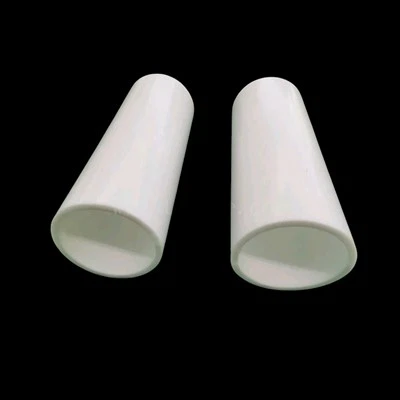
Hey there! As a supplier of PTFE plastic pall rings, I often get asked about the temperature resistance of these nifty little things. So, let's dive right in and explore what makes PTFE plastic pall rings so special when it comes to handling different temperatures.
First off, what the heck are PTFE plastic pall rings? Well, they're a type of packing material used in various industrial applications, like distillation, absorption, and stripping processes. They're designed to increase the surface area for mass transfer, which helps improve the efficiency of these processes. And one of the key features that makes PTFE a popular choice for pall rings is its excellent temperature resistance.


PTFE, or polytetrafluoroethylene, is a synthetic fluoropolymer known for its remarkable chemical and thermal stability. It can withstand a wide range of temperatures, making it suitable for both high - and low - temperature applications.
High - Temperature Resistance
When it comes to high temperatures, PTFE plastic pall rings are pretty tough cookies. They can handle continuous operating temperatures of up to about 260°C (500°F). That's pretty impressive when you think about it. In industrial settings where there are high - heat processes going on, like in some chemical reactions or distillation columns, PTFE pall rings can hold up without deforming or losing their structural integrity.
The reason for this high - temperature resistance lies in the chemical structure of PTFE. The carbon - fluorine bonds in PTFE are extremely strong. These bonds are very stable and can withstand the energy associated with high temperatures. So, even when things get hot, the PTFE molecules stay intact, keeping the pall rings in good shape.
This high - temperature resistance is a huge advantage in industries such as petrochemicals. In a refinery, for example, distillation columns operate at high temperatures to separate different components of crude oil. PTFE plastic pall rings can be used in these columns to improve the efficiency of the distillation process. They won't break down or melt under the high - heat conditions, ensuring a long - lasting and reliable performance.
Low - Temperature Resistance
PTFE plastic pall rings also perform well in low - temperature environments. They can function at temperatures as low as - 200°C (- 328°F). At these extremely cold temperatures, many materials become brittle and lose their flexibility. But PTFE remains flexible and retains its mechanical properties.
This low - temperature resistance is crucial in applications like cryogenic distillation. In the production of liquefied natural gas (LNG), for instance, cryogenic temperatures are used to separate different components of natural gas. PTFE pall rings can be used in the distillation columns to facilitate this process. They can handle the cold temperatures without cracking or losing their effectiveness.
Comparing with Other Materials
Now, let's compare PTFE plastic pall rings with other types of pall rings, like the Polypropylene Pall Ring. Polypropylene is a common material for pall rings, but its temperature resistance is much more limited. Polypropylene can typically handle continuous operating temperatures up to around 100 - 120°C (212 - 248°F). So, if you're dealing with high - temperature processes, PTFE is a much better choice.
On the other hand, PTFE Plastic Pall Ring and PTFE Pall Ring offer a broader temperature range, which makes them more versatile in different industrial applications. Whether it's a high - heat chemical reaction or a low - temperature cryogenic process, PTFE pall rings can get the job done.
Factors Affecting Temperature Resistance
It's important to note that while PTFE has excellent temperature resistance, there are some factors that can affect its performance. For example, the purity of the PTFE material can play a role. Impurities in the PTFE can reduce its temperature resistance. So, it's crucial to use high - quality PTFE in the manufacturing of pall rings.
The design and thickness of the pall ring can also impact its temperature resistance. A well - designed pall ring with the right thickness can better withstand temperature changes. If the ring is too thin, it may be more prone to damage at extreme temperatures.
Applications in Different Industries
PTFE plastic pall rings are used in a wide range of industries because of their temperature resistance. In the pharmaceutical industry, they're used in distillation and purification processes. These processes often involve high - temperature reactions, and PTFE pall rings can handle the heat without contaminating the products.
In the food and beverage industry, PTFE pall rings are used in the production of alcoholic beverages and other food products. They can be used in distillation columns to separate different components, and their temperature resistance ensures a safe and efficient production process.
Why Choose Our PTFE Plastic Pall Rings
As a supplier of PTFE plastic pall rings, we take pride in offering high - quality products. Our pall rings are made from the purest PTFE material, which ensures excellent temperature resistance. We also have a team of experts who can help you choose the right pall rings for your specific application.
If you're in the market for PTFE plastic pall rings, whether it's for a high - temperature chemical process or a low - temperature cryogenic application, we've got you covered. We can provide you with the right size and design of pall rings to meet your needs.
Let's Connect
If you're interested in purchasing PTFE plastic pall rings or have any questions about their temperature resistance or other properties, don't hesitate to reach out. We're here to help you make the best choice for your industrial processes. Whether you're a small - scale operation or a large - scale industrial plant, we can provide you with the right solution.
References
- "Handbook of Fluoropolymer Science and Technology"
- "Industrial Distillation Processes: Principles and Applications"