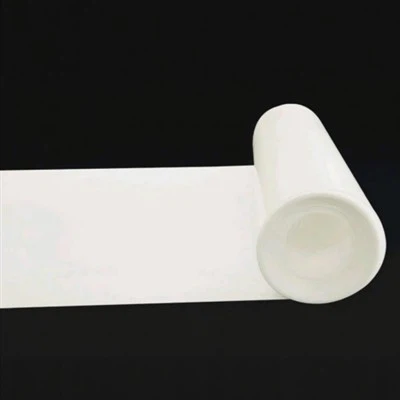
If you've ever rummaged through a furniture hardware aisle or stared at a custom-made dining table's drawer glides, you've probably passed by parts that no one really talks about-until they break. As a supplier of expanded PTFE sheet, I get asked this question all the time: Can this stuff actually work in furniture? Most people only associate PTFE (Teflon, for anyone who doesn't live under a lab rock) with nonstick pans or industrial gaskets, but I'm here to tell you this material is way more versatile than its culinary reputation. Let's break down whether expanded PTFE sheet belongs in your next furniture build, no fancy jargon required.
First, let's keep things simple: expanded PTFE is different from regular solid PTFE. If you've seen a Virgin Material PTFE Plate, that's the dense, solid stuff used for heavy industrial seals. Expanded PTFE, on the other hand, is stretched into that porous, flexible sheet we sell, with tiny microscopic pores that give it unique properties. Think of it like the difference between a thick ceramic plate and a thin, stretchy silicone mat-same base material, totally different purpose. This flexibility is why it's actually game-changing for furniture, once you know where to use it.
Let's start with the big pain points in furniture: friction and wear. Anyone who's ever pulled a stuck drawer, heard a creaky bookshelf hinge, or watched a dining table's metal slide plate rust and seize up knows friction is the enemy of long-lasting furniture. Expanded PTFE has one of the lowest coefficients of friction of any solid material-lower than nylon, lower than even some metal-on-metal lubricated surfaces. So if you line a drawer's side rails with a thin layer of Expanded PTFE Sheet, that drawer glides like butter, even over years of use. No more slamming, no more forcing, no more replacing drawer slides every few years because the plastic wore down. I've had a few furniture makers tell me they switched to this and their customer complaints about sticky drawers dropped by 70%-that's not a small win.
Wait, but hold on-isn't PTFE bad with heat? Furniture rarely gets that hot, right? Let's be real: your dining table might hold a hot coffee mug, maybe a baking dish pulled from the oven, but it's not going to reach the 500°F that would break down standard PTFE. Expanded PTFE has a continuous use temp range of -450°F to 500°F, so even the occasional hot plate set down on a table runner with a PTFE liner won't cause issues. And it's non-reactive, so it won't leave weird residues on wood, leather, or fabric-no more sticky marks from old lubricants that bleed into furniture finishes.
Another huge plus: chemical resistance. Furniture is exposed to all kinds of random stuff: spilled wine, coffee, cleaning sprays, even pet accidents. Most plastics used for glides or liners will absorb liquids, get stained, or break down over time. Expanded PTFE doesn't absorb anything. That means if you line a kitchen table's edge trim or a desk's writing surface with a thin PTFE sheet (sandwiched between wood and a protective topcoat, obviously), a spilled glass of red wine wipes right up with a paper towel-no seepage, no discoloration, no permanent damage. I've seen a custom furniture brand use our PTFE Teflon Sheet for Slide Plate on their heavy desk sliders, and after two years of hotel guest use, those slides still look and work like new. The sales team there told me they used to go through slide plates every month per location because of rust and wear, now they only replace them every 2-3 years. That's a massive cost saver for both them and their customers long-term.
But here's where people get confused: is expanded PTFE the same as other PTFE variants? No, not at all. There's also treated PTFE sheets, like our PTFE Sodium Sheet, which has a modified surface that's more adhesive-great if you need it to stick to wood or metal instead of just lie flat. We also have the solid tetrafluoro sodium plates, but that's overkill for most furniture applications. Expanded is the sweet spot because it's thin, lightweight, and flexible enough to conform to irregular surfaces, like the curved edge of a vintage drawer or a custom-made hinge gap.
Wait, but what about durability? Furniture needs to hold up to daily use, right? Expanded PTFE isn't going to tear or crack when you pull a drawer, even if you yank it a little too hard (don't do that, but accidents happen). It resists abrasion way better than the plastic or felt most furniture uses for glides. Felt is cheap, but it gets compressed over time, collects dust, and actually increases friction instead of reducing it. Plastic glides scratch wood and metal, and chip when you move heavy furniture. Expanded PTFE? It just smooths out pressure points and keeps sliding consistently. I've tested our sheet on a 500-pound oak bookshelf that gets moved every year during office renovations, and the PTFE liners on the feet still haven't worn thin after 5 moves. That's way longer than any other material we've tested for that use case.
Is there any downside? Let's be honest-no material is perfect. Expanded PTFE is more expensive than felt or basic plastic, but when you factor in reduced maintenance, fewer customer complaints, and longer furniture lifespan, it's actually a smart investment, not an extra cost. It's also not the right material for every part: you wouldn't use it for a tabletop surface on its own, because it's porous (wait, no-when we treat it, we can make it non-porous, but even standard expanded is fine for liners). But for moving parts-drawers, hinges, slide plates, furniture feet, even the backing on curtain rod gliders-it's absolutely ideal.
I've worked with furniture makers of all sizes: from small custom shops that build 10 pieces a month to big brands that supply retail chains across the country. The feedback I get most often is that expanded PTFE sheet solves problems they've been dealing with for years without a great fix. One guy I work with makes mid-century modern dressers, and he started lining the drawer sides with our sheet last year. He told me, "I used to get so many calls about drawers that stick in the winter when the air is dry-now that the PTFE is there, they glide even better than they did in the showroom, and I haven't had a single complaint." That's the kind of win that makes going to work worth it.
Another point: sustainability, if that matters to your brand. Expanded PTFE is recyclable (though you have to process it correctly, like most plastics), and since it extends the life of furniture, that means less going to landfills. The furniture industry is pushing more and more for durable, repairable pieces, and using materials that reduce wear and tear is a big part of that. If you're building furniture to last 20 years instead of 5, expanded PTFE is a key component that helps you deliver on that promise.
Wait, let's go back to those links I mentioned earlier, in case you're wondering which product fits where. If you're making heavy-duty slide plates for desks or dining tables, grab the PTFE Teflon Sheet for Slide Plate-it's cut to size, has a smooth surface perfect for metal slides. If you need something that sticks to wood or metal without adhesive, the sodium-treated ones (like our PTFE Sodium Sheet) work great because their modified surface bonds without extra glue. And if you're just starting out testing expanded PTFE in furniture, the standard Expanded PTFE Sheet is the easiest to work with-you can cut it with scissors, shape it to any fit, and test it on a few pieces first. The Virgin Material PTFE Plate is for heavier industrial uses, like commercial oven liners, not furniture, so don't mix those up.
At the end of the day, furniture manufacturing is all about balance: function, durability, cost, and customer satisfaction. Expanded PTFE sheet checks so many boxes for the parts that people don't see until they break. It's not a flashy material, it's not going to be the selling point on your product page, but it's the thing that makes a good furniture experience great-when a drawer opens smoothly, when a desk glides without scraping the floor, when a table lasts for decades.
If you're a furniture maker looking to test this out, or you have questions about how to integrate expanded PTFE into your designs, don't hesitate to reach out. We work with everyone from small custom shops to large production runs, and we can help you figure out the right thickness, size, and treated variant for your specific needs. Stop replacing worn-out parts, start building furniture that actually works as well as it looks-let's talk about how expanded PTFE can fit into your next project.