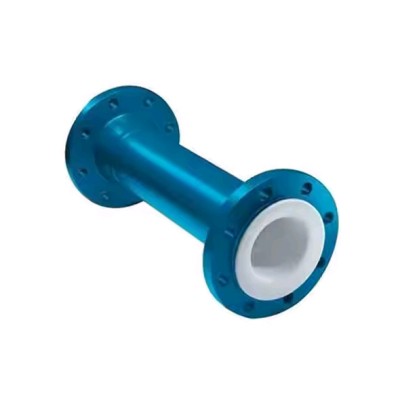
Hey there! As a supplier of fluoroplastic pipes, I often get asked whether these pipes can be used in air - conditioning systems. Well, let's dive right into it and find out if fluoroplastic pipes are a good fit for air - con setups.
First off, let's talk a bit about what fluoroplastic pipes are. Fluoroplastics are a group of plastics that contain fluorine atoms. The most well - known type is PTFE (Polytetrafluoroethylene), which is famous for its non - stick properties, high chemical resistance, and low friction coefficient. There are also other types like FEP (Fluorinated Ethylene Propylene) and PFA (Perfluoroalkoxy). These materials have some pretty amazing characteristics that make them stand out in the piping world.
When it comes to air - conditioning systems, there are several aspects to consider before deciding if fluoroplastic pipes are suitable.
1. Chemical Resistance
Air - conditioning systems often deal with refrigerants, lubricants, and sometimes even water. Different refrigerants have their own chemical properties, and over time, they can react with the pipes in the system. Fluoroplastic pipes, especially PTFE ones, have excellent chemical resistance. They can withstand a wide range of chemicals without corroding or degrading. For example, R - 410A, a common refrigerant used in modern air - conditioning systems, is highly stable and doesn't react with fluoroplastic materials. This means that using fluoroplastic pipes can extend the lifespan of the air - conditioning system by preventing corrosion and leaks caused by chemical reactions. You can check out our Round PTFE Lined Pipe which offers great chemical resistance for various applications, including air - con systems.
2. Temperature Resistance
Air - conditioning systems operate under different temperature conditions. The evaporator side can be quite cold, while the condenser side can get pretty hot. Fluoroplastic pipes have a wide temperature range they can handle. PTFE, for instance, can operate continuously at temperatures from - 200°C to 260°C. This wide temperature tolerance means that fluoroplastic pipes can handle the temperature variations in an air - conditioning system without losing their physical properties. Whether it's the cold refrigerant flowing through the evaporator coils or the hot gas in the condenser, fluoroplastic pipes can maintain their shape and integrity.

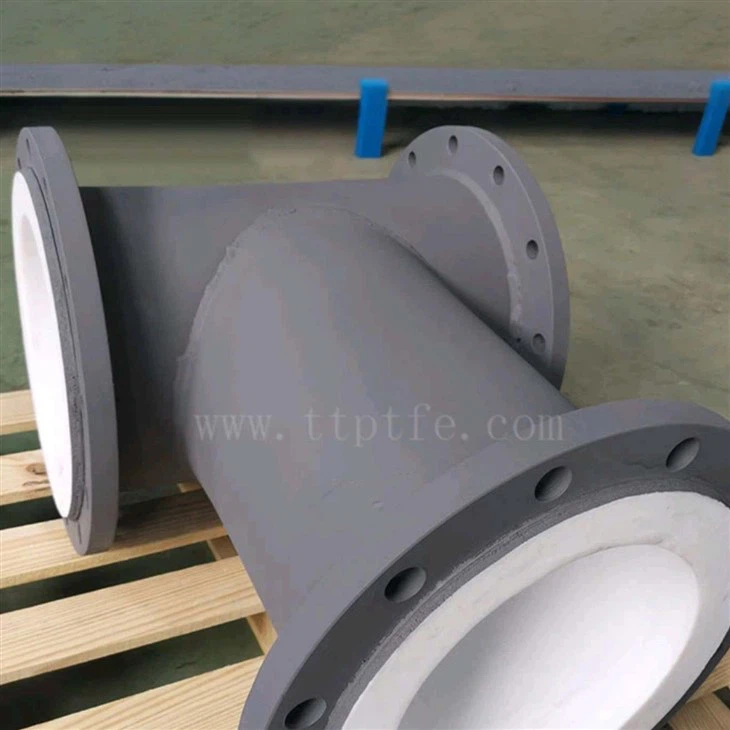
3. Low Friction
Fluoroplastics have a very low friction coefficient. In an air - conditioning system, this is a huge advantage. When the refrigerant or other fluids flow through the pipes, less friction means less energy is required to move them. This can lead to more energy - efficient operation of the air - conditioning unit. Over time, the energy savings can be significant, both for residential and commercial air - con systems. Our PTFE Heat Shrink Tubing also benefits from this low - friction property, making it a great option for certain parts of the air - con system.
4. Non - Stick Properties
The non - stick nature of fluoroplastic pipes can prevent the build - up of contaminants inside the pipes. In an air - conditioning system, dirt, dust, and other particles can enter the system over time. If these particles stick to the inside of the pipes, it can reduce the flow rate and efficiency of the system. With fluoroplastic pipes, the contaminants are less likely to adhere, which helps to keep the system running smoothly.
5. Flexibility and Installation
Fluoroplastic pipes are relatively flexible compared to some traditional metal pipes. This makes them easier to install in air - conditioning systems, especially in tight spaces or areas with complex layouts. You can bend and shape them without worrying too much about cracking or breaking. Our PTFE Tube Connector can be used to connect different sections of the fluoroplastic pipes easily, ensuring a secure and leak - free connection during installation.
Potential Drawbacks
However, it's not all sunshine and rainbows. Fluoroplastic pipes do have a few potential drawbacks when it comes to air - conditioning systems.
Cost
Fluoroplastic pipes are generally more expensive than traditional metal pipes like copper or aluminum. This can be a significant factor, especially for large - scale air - conditioning projects where cost is a major concern. But it's important to consider the long - term benefits. The extended lifespan, energy savings, and reduced maintenance costs can offset the initial higher investment.
Permeability
Although fluoroplastic pipes have good chemical resistance, some gases can permeate through them over time. In an air - conditioning system, this could potentially lead to a slow loss of refrigerant. However, this is usually not a major issue if the pipes are installed correctly and the system is regularly maintained.
Conclusion
So, can fluoroplastic pipes be used in air - conditioning systems? The answer is a resounding yes. Their chemical resistance, temperature tolerance, low friction, non - stick properties, and flexibility make them a great option for air - con applications. While there are some drawbacks like cost and permeability, the benefits often outweigh these concerns.
If you're in the market for high - quality fluoroplastic pipes for your air - conditioning system, we're here to help. We offer a wide range of fluoroplastic products, from Round PTFE Lined Pipe to PTFE Heat Shrink Tubing and PTFE Tube Connector. Whether you're a contractor working on a large commercial project or a homeowner looking to upgrade your air - con system, we can provide the right pipes and components for your needs.
If you're interested in learning more or want to discuss your specific requirements, don't hesitate to reach out. We're always happy to have a chat and help you find the best solutions for your air - conditioning system. Let's work together to make your air - con system more efficient and reliable!
References
- "Fluoroplastics: Properties, Processing, and Applications" - A comprehensive book on fluoroplastic materials.
- Industry reports on air - conditioning system components and materials.