Hey there! As a supplier of PTFE Teflon tubing, I often get asked if it can be used for food - grade applications. So, let's dive right into this topic and figure it out together.
First off, what's PTFE Teflon tubing anyway? PTFE, or polytetrafluoroethylene, is a synthetic fluoropolymer known for its outstanding chemical resistance, low friction, and high - temperature stability. Teflon is actually a brand name for PTFE by DuPont, but it's become a common term for this type of material.
Now, the big question: Can it be used for food - grade applications? The short answer is yes, but with some important conditions.
Chemical Properties and Safety
PTFE is an incredibly inert material. It doesn't react with most chemicals, acids, or bases under normal conditions. This means that when it comes into contact with food, there's very little risk of it leaching harmful substances into the food. Unlike some other plastics that might release additives or break down over time, PTFE remains stable.
The US Food and Drug Administration (FDA) has approved certain grades of PTFE for food contact. These grades meet strict standards regarding the amount of substances that can migrate from the material into food. If you're using PTFE Teflon tubing for food - grade applications, it's crucial to make sure you're getting tubing that is FDA - compliant.
Advantages in Food - Grade Applications
One of the major advantages of using PTFE Teflon tubing in food - grade applications is its non - stick property. This is super handy when dealing with viscous foods like honey, syrups, or even dough. The low friction surface allows the food to flow smoothly through the tubing without leaving much residue behind. This not only reduces waste but also makes cleaning the tubing a breeze.
Another benefit is its high - temperature resistance. PTFE can withstand a wide range of temperatures, from very cold to quite hot. This makes it suitable for various food processing steps, whether it's chilling products in a cold storage system or transporting hot liquids during cooking or pasteurization.
Potential Drawbacks
While PTFE Teflon tubing has many great features, there are also a few potential drawbacks to consider. First of all, it can be relatively expensive compared to some other types of tubing. The manufacturing process for PTFE is complex, which drives up the cost.
Also, although PTFE is very durable, it can be damaged if it's bent too sharply or subjected to excessive mechanical stress. This can lead to cracks or breaks in the tubing, which could potentially contaminate the food. So, proper installation and handling are key.
Types of PTFE Teflon Tubing for Food - Grade Applications
There are different types of PTFE Teflon tubing that might be suitable for food - grade applications. For example, Black Graphite Teflon Tubing offers enhanced conductivity in addition to the regular PTFE properties. This can be useful in applications where static electricity needs to be dissipated, like in some powder - handling food processes.
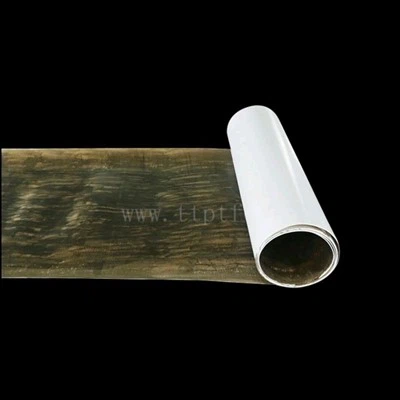
PTFE Plastic Sheet can also be used in combination with tubing for certain food - grade setups. It can be shaped and formed to fit specific equipment or to create barriers.
And then there's Virgin Teflon Pipe, which is made from pure PTFE without any recycled materials. This can be a good option when you need the highest level of purity and safety for your food - grade application.
Ensuring Quality in Food - Grade Applications
When you're sourcing PTFE Teflon tubing for food - grade use, quality control is essential. You should work with a reliable supplier who can provide documentation proving the tubing's compliance with food - safety standards. This might include certificates of conformity, test reports, or FDA approvals.
Inspecting the tubing before installation is also a good idea. Look for any signs of damage, such as scratches, holes, or irregularities in the surface. And make sure to follow the manufacturer's guidelines for installation, use, and maintenance.


Maintenance and Cleaning
Proper maintenance and cleaning of PTFE Teflon tubing are crucial for food - grade applications. Fortunately, because of its non - stick surface, cleaning is usually easier compared to other materials. You can use mild detergents and warm water to clean the tubing. Avoid using abrasive cleaners or tools that could scratch the surface, as this could create areas where bacteria or food particles can accumulate.
Regularly inspect the tubing for any signs of wear or damage. If you notice any issues, replace the tubing promptly to ensure the continued safety and quality of your food products.
Conclusion
So, to sum it up, PTFE Teflon tubing can definitely be used for food - grade applications, but only if you take the right precautions. Make sure you're getting FDA - compliant tubing, handle it properly during installation and use, and maintain it regularly.
If you're in the market for high - quality PTFE Teflon tubing for your food - grade needs, we're here to help. We offer a wide range of products, including the types I mentioned above, all of which meet strict quality and safety standards. If you have any questions or want to discuss your specific requirements, feel free to reach out. We're always happy to have a chat and help you find the perfect solution for your business.
References
- Food and Drug Administration (FDA). “Food Contact Substances Notification Program.”
- Various industry reports on the use of PTFE in food processing.