Fluoroplastic pipes are renowned for their exceptional chemical resistance, high-temperature stability, and low friction coefficient, making them a popular choice in various industries, including chemical processing, food and beverage, and pharmaceuticals. As a leading fluoroplastic pipe supplier, I understand the importance of proper maintenance to ensure the longevity and optimal performance of these pipes. In this blog, I will share some valuable tips on how to maintain a fluoroplastic pipe effectively.
Understanding Fluoroplastic Pipes
Before delving into maintenance tips, it's essential to understand the different types of fluoroplastic pipes available in the market. The most common types include PTFE (Polytetrafluoroethylene), FEP (Fluorinated Ethylene Propylene), and PFA (Perfluoroalkoxy). Each type has its unique properties and applications, but they all share the same high-performance characteristics that make them suitable for demanding environments.
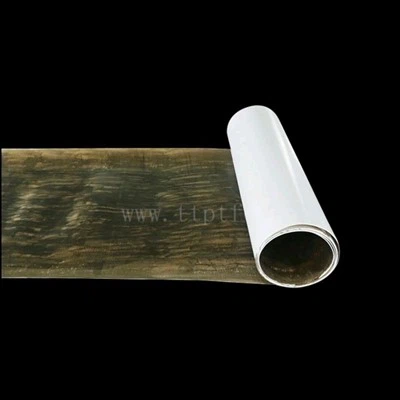
- PTFE Pipes: PTFE is the most well-known fluoroplastic, offering excellent chemical resistance and a wide temperature range. It is commonly used in applications where high purity and low friction are required, such as in the semiconductor and pharmaceutical industries. PTFE Heat Shrink Tubing is a popular product made from PTFE, providing a reliable solution for insulation and protection.
- FEP Pipes: FEP is a melt-processable fluoroplastic that offers similar chemical resistance to PTFE but with better transparency and flexibility. It is often used in applications where visual inspection of the fluid inside the pipe is necessary, such as in laboratory equipment and food processing.
- PFA Pipes: PFA is another melt-processable fluoroplastic that combines the chemical resistance of PTFE with the processability of FEP. It has a higher continuous use temperature than FEP, making it suitable for applications that require long-term exposure to high temperatures. Stainless Steel Teflon Hose is a common product that combines the strength of stainless steel with the chemical resistance of PFA.
Regular Inspection
Regular inspection is the first step in maintaining a fluoroplastic pipe. By inspecting the pipe regularly, you can detect any signs of damage or wear early and take appropriate action to prevent further problems. Here are some key points to consider during the inspection:
- Visual Inspection: Conduct a visual inspection of the pipe for any signs of cracks, leaks, or discoloration. Pay attention to the joints, bends, and connections, as these are the areas most prone to damage.
- Pressure Testing: Periodically perform pressure testing to ensure that the pipe can withstand the operating pressure without any leaks. This is especially important for pipes that are used in high-pressure applications.
- Flow Rate Monitoring: Monitor the flow rate of the fluid through the pipe to detect any changes. A significant decrease in flow rate may indicate a blockage or a problem with the pipe's internal surface.
Cleaning and Flushing
Cleaning and flushing the fluoroplastic pipe regularly is essential to prevent the buildup of contaminants and maintain its performance. Here are some guidelines for cleaning and flushing:
- Use Compatible Cleaning Agents: When cleaning the pipe, use only cleaning agents that are compatible with the fluoroplastic material. Avoid using abrasive cleaners or solvents that may damage the pipe's surface.
- Flush with Clean Water: After cleaning, flush the pipe thoroughly with clean water to remove any remaining cleaning agents. This will help prevent the accumulation of residues that could affect the performance of the pipe.
- Follow a Cleaning Schedule: Establish a regular cleaning schedule based on the operating conditions and the type of fluid being transported through the pipe. This will help ensure that the pipe remains clean and in good working condition.
Proper Installation
Proper installation is crucial for the long-term performance of a fluoroplastic pipe. Here are some key points to consider during installation:
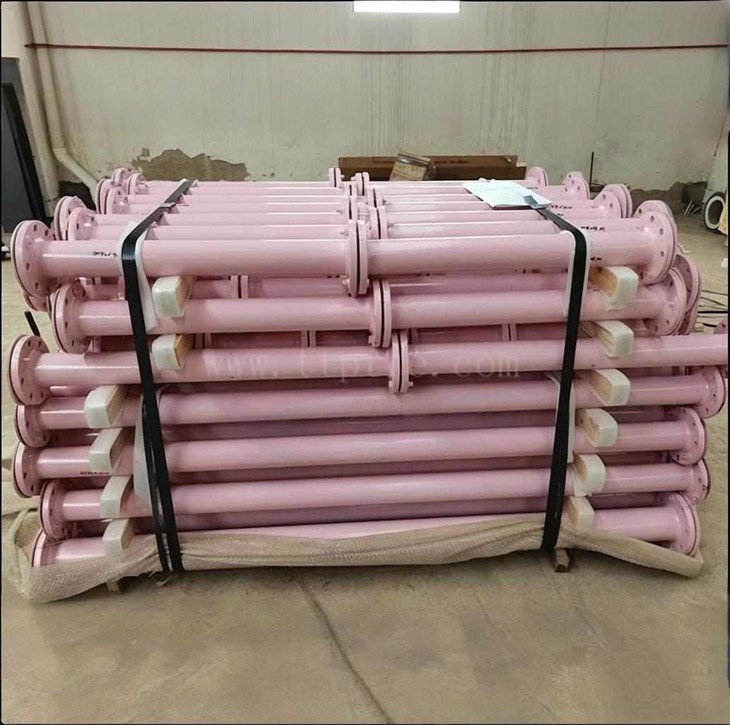

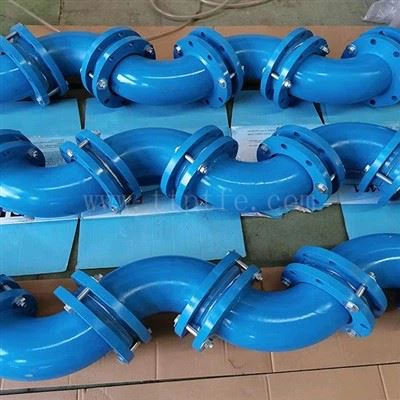
- Use Correct Fittings: Use only fittings that are specifically designed for fluoroplastic pipes. Make sure the fittings are compatible with the pipe material and the operating conditions.
- Avoid Over-Tightening: When tightening the fittings, avoid over-tightening, as this can damage the pipe and cause leaks. Follow the manufacturer's recommended torque values for the fittings.
- Support the Pipe: Provide adequate support for the pipe to prevent sagging or excessive movement. This will help reduce stress on the pipe and prevent damage.
Storage and Handling
Proper storage and handling of fluoroplastic pipes are also important to maintain their integrity. Here are some tips for storage and handling:
- Store in a Cool, Dry Place: Store the pipes in a cool, dry place away from direct sunlight and sources of heat. This will help prevent the degradation of the pipe material.
- Protect from Physical Damage: When handling the pipes, take care to avoid dropping or hitting them, as this can cause damage to the pipe. Use appropriate lifting equipment and handle the pipes with care.
- Keep Pipes Sealed: When not in use, keep the pipes sealed to prevent the entry of contaminants. This will help maintain the cleanliness of the pipe and prevent damage.
Troubleshooting Common Problems
Despite proper maintenance, fluoroplastic pipes may still encounter some common problems. Here are some troubleshooting tips for these problems:
- Leaks: If you notice a leak in the pipe, first check the fittings to ensure they are properly tightened. If the leak persists, it may be due to a crack or a damaged section of the pipe. In this case, you may need to replace the affected section of the pipe.
- Blockages: A blockage in the pipe can cause a decrease in flow rate or a complete stoppage of the fluid. To clear the blockage, you can try flushing the pipe with a high-pressure stream of water or using a pipe cleaner. If the blockage persists, you may need to disassemble the pipe and remove the blockage manually.
- Discoloration: Discoloration of the pipe may indicate a chemical reaction with the fluid being transported or exposure to high temperatures. If the discoloration is minor, it may not affect the performance of the pipe. However, if the discoloration is severe or accompanied by other symptoms, such as a decrease in flow rate or a change in the chemical properties of the fluid, you should investigate the cause and take appropriate action.
Conclusion
Maintaining a fluoroplastic pipe is essential to ensure its longevity and optimal performance. By following the tips outlined in this blog, you can effectively maintain your fluoroplastic pipes and prevent common problems. As a fluoroplastic pipe supplier, I am committed to providing high-quality products and excellent customer service. If you have any questions or need further information about fluoroplastic pipes or their maintenance, please feel free to contact us for procurement and negotiation.
References
- "Fluoroplastic Pipes: Properties, Applications, and Maintenance" - Chemical Engineering Journal
- "Best Practices for Installing and Maintaining Fluoroplastic Piping Systems" - Plumbing and Mechanical Magazine
- "Fluoropolymer Materials: A Comprehensive Guide" - Plastics Technology Handbook