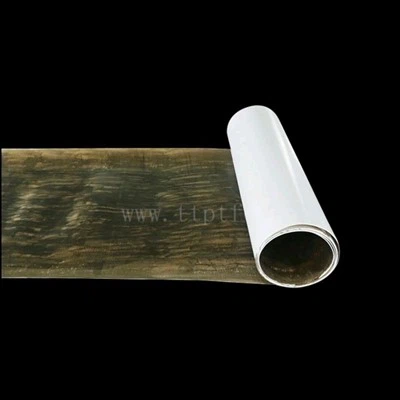
Hey there! I'm a supplier of PTFE plastic sheets, and I've seen firsthand how awesome these materials are. They're used in a ton of industries, from aerospace to electronics. But like any other good thing, they need a bit of love and care to keep them in top - notch condition. In this blog, I'm going to share some tips on how to maintain PTFE plastic sheets.
Understanding PTFE Plastic Sheets
First off, let's talk about what PTFE is. PTFE, or polytetrafluoroethylene, is a synthetic fluoropolymer. It's got some amazing properties. It's highly resistant to heat, chemicals, and friction. That's why it's so popular in various applications. You can find it in things like PTFE Tubing, which is used for fluid and gas transfer in different industries, and PTFE Pneumatic Tubing, which plays a crucial role in pneumatic systems. There's also Bronze Filled PTFE, which has enhanced mechanical properties due to the bronze filler.
Storage
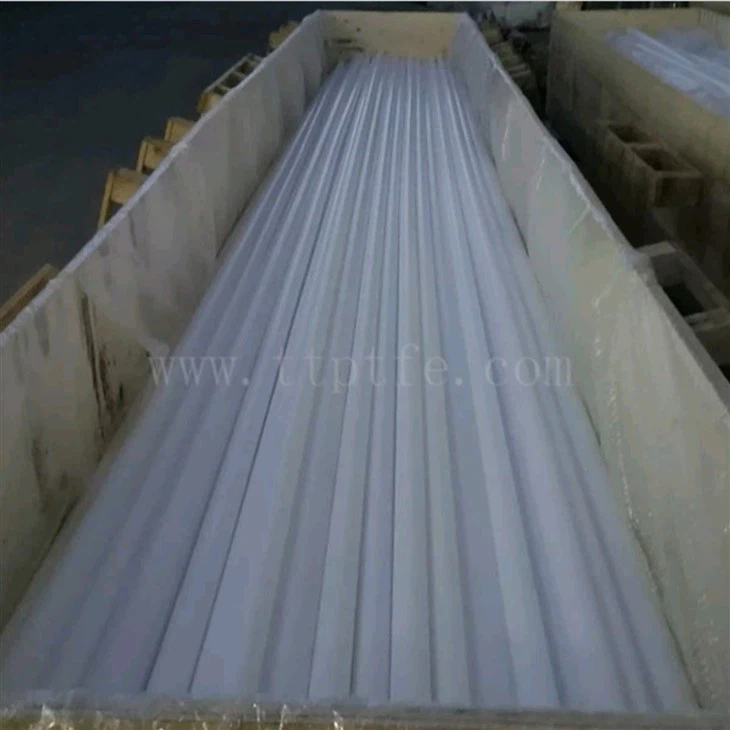
One of the first steps in maintaining PTFE plastic sheets is proper storage. You don't want to just toss them in a corner and forget about them. PTFE is sensitive to extreme temperatures and humidity. Store the sheets in a cool, dry place. A temperature range of around 50 - 70°F (10 - 21°C) is ideal. High humidity can cause the sheets to absorb moisture, which might affect their performance over time. If you're storing large quantities, make sure they're stacked properly. Don't stack them too high, as this can cause warping or deformation.

Cleaning
Cleaning PTFE plastic sheets is crucial for maintaining their functionality and appearance. But you've got to be careful with the cleaning agents you use. Harsh chemicals can damage the PTFE surface. For regular cleaning, a mild soap and water solution is usually enough. Just mix a small amount of gentle dish soap with warm water. Use a soft cloth or sponge to gently wipe the surface of the sheet. Avoid using abrasive materials like steel wool or rough brushes, as these can scratch the PTFE.
If there are stubborn stains or contaminants on the sheet, you can try using isopropyl alcohol. Dip a clean cloth in a small amount of isopropyl alcohol and carefully wipe the affected area. Make sure to rinse the sheet thoroughly with water after using alcohol to remove any residue.
Handling
When it comes to handling PTFE plastic sheets, you need to be gentle. PTFE is a relatively soft material, so it can be easily scratched or dented. Always wear clean gloves when handling the sheets to prevent oils and dirt from your hands from transferring to the surface. When moving the sheets, lift them from the edges rather than grabbing them in the middle. This helps prevent bending or cracking.
If you need to cut the PTFE sheets, use a sharp blade. A dull blade can cause the edges to fray or tear, which not only looks bad but can also affect the performance of the sheet. Make sure to measure and mark the cutting line accurately before you start cutting.
Inspection
Regular inspection is a must for maintaining PTFE plastic sheets. Check for any signs of damage such as cracks, scratches, or discoloration. Cracks can weaken the sheet and make it more prone to failure. If you notice any small cracks, it's important to address them as soon as possible. In some cases, you might be able to repair minor cracks using a suitable PTFE adhesive.
Scratches can also be a problem, especially if they're deep. They can affect the smoothness of the surface, which might be important in applications where low friction is required. Discoloration could be a sign of chemical exposure or overheating. If you see any discoloration, try to identify the cause and take steps to prevent further damage.
Avoiding Chemical Exposure
As I mentioned earlier, PTFE is highly resistant to chemicals, but there are still some chemicals that can cause problems. Avoid exposing the sheets to strong acids, bases, and some organic solvents. If you're working in an environment where chemical exposure is possible, make sure to use proper protective measures such as chemical - resistant barriers.
If, by any chance, the sheets do come into contact with harmful chemicals, immediately rinse the area with plenty of water. If the chemical exposure seems severe, it might be a good idea to consult an expert to assess the damage.
Avoiding Overheating
PTFE can withstand high temperatures, but there's a limit. Exceeding the recommended temperature range can cause the material to degrade. Make sure to follow the manufacturer's guidelines regarding the maximum temperature for your PTFE plastic sheets. If you're using the sheets in a high - temperature application, consider using additional cooling measures or insulation to keep the temperature within the safe range.
Lubrication
In some applications, lubrication can help extend the life of PTFE plastic sheets. Using a suitable lubricant can reduce friction, which in turn reduces wear and tear. However, you need to choose the right lubricant. Some lubricants can react with PTFE and cause damage. Silicone - based lubricants are often a good choice for PTFE applications. They're compatible with PTFE and can provide good lubrication without causing any harm.
Maintenance Schedule
It's a good idea to set up a maintenance schedule for your PTFE plastic sheets. This could include weekly visual inspections, monthly cleaning, and quarterly in - depth checks. By following a regular maintenance schedule, you can catch any potential problems early and address them before they become major issues.
Conclusion
Maintaining PTFE plastic sheets isn't rocket science, but it does require a bit of attention. By following these tips on storage, cleaning, handling, inspection, and avoiding chemical and heat exposure, you can ensure that your PTFE sheets last a long time and perform at their best.
If you're in the market for high - quality PTFE plastic sheets or have any questions about their maintenance, don't hesitate to reach out for a purchase consultation. We're here to help you get the most out of these amazing materials.
References
- General knowledge about PTFE materials and their properties from industry - wide experience.
- Product manuals and technical specifications provided by PTFE manufacturers.