Hey there! As a supplier of plastic PTFE plates, I often get asked about how these plates respond to sudden temperature changes. It's a crucial question, especially for industries where temperature fluctuations are common. So, let's dive right in and explore this topic in detail.
Understanding PTFE
First off, let's talk a bit about PTFE. PTFE, or polytetrafluoroethylene, is a synthetic fluoropolymer known for its excellent chemical resistance, low friction, and high-temperature stability. These properties make it a popular choice for a wide range of applications, from industrial machinery to cookware.
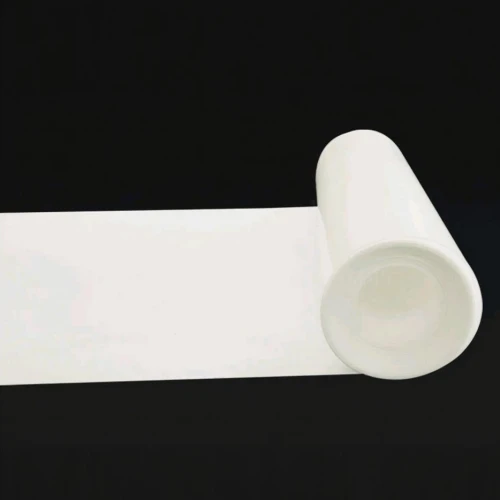
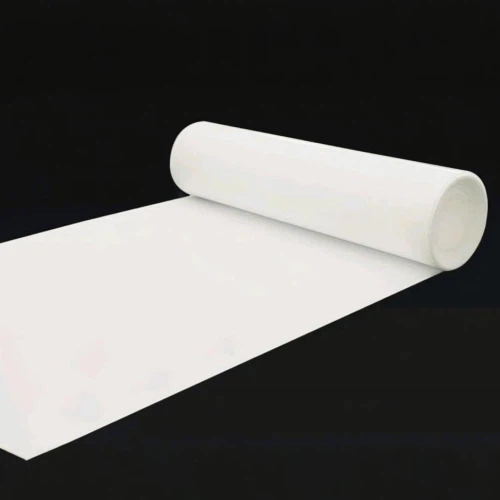
Plastic PTFE plates are made from PTFE resin and are available in various sizes and thicknesses. They are used in applications where a high level of chemical resistance, low friction, and non-stick properties are required. You can check out our Plastic PTFE Plate for more details.
How PTFE Responds to Sudden Temperature Changes
One of the remarkable features of PTFE is its ability to withstand a wide range of temperatures. PTFE can operate continuously at temperatures up to 260°C (500°F) and can withstand short-term exposure to temperatures as high as 300°C (572°F). On the other end of the spectrum, it remains flexible and functional at temperatures as low as -200°C (-328°F).
However, when it comes to sudden temperature changes, PTFE has its limits. Like most materials, PTFE expands and contracts with temperature changes. When exposed to a sudden temperature change, the material may experience thermal stress, which can lead to cracking or warping.
The coefficient of thermal expansion (CTE) of PTFE is relatively high compared to some other materials. This means that it expands and contracts more significantly with temperature changes. For example, the CTE of PTFE is about 100 x 10^-6/°C, while the CTE of steel is about 12 x 10^-6/°C. This difference in CTE can cause problems when PTFE is used in combination with other materials, especially if there are sudden temperature changes.
Factors Affecting PTFE's Response to Temperature Changes
Several factors can affect how PTFE responds to sudden temperature changes. These include:
- Material Thickness: Thicker PTFE plates are more likely to experience thermal stress and cracking than thinner plates. This is because the inner layers of a thick plate take longer to reach the same temperature as the outer layers, creating a temperature gradient that can cause stress.
- Temperature Range: The larger the temperature change, the greater the thermal stress on the PTFE plate. For example, a sudden change from -50°C to 200°C will cause more stress than a change from 20°C to 50°C.
- Rate of Temperature Change: A rapid temperature change can cause more stress than a slow change. This is because the material does not have enough time to adjust to the new temperature, leading to internal stress.
- Filling Materials: Filled PTFE sheets, such as those filled with glass fiber or carbon fiber, have different thermal properties than pure PTFE. Filling materials can reduce the CTE of PTFE and improve its dimensional stability. You can learn more about Filled PTFE Sheet on our website.
Mitigating the Effects of Sudden Temperature Changes
To minimize the effects of sudden temperature changes on PTFE plates, several strategies can be employed:
- Design Considerations: When designing a component using PTFE plates, it's important to consider the potential for thermal expansion and contraction. This may involve leaving some clearance for expansion or using flexible joints to accommodate movement.
- Preheating and Cooling: Gradually preheating or cooling the PTFE plate can help reduce thermal stress. This can be done by using a temperature-controlled oven or a heating/cooling system.
- Selecting the Right Material: Choosing a PTFE plate with the appropriate properties for the application is crucial. For example, if the application involves frequent temperature changes, a filled PTFE sheet may be a better choice than pure PTFE.
- Regular Inspections: Regularly inspecting the PTFE plates for signs of damage or wear can help identify potential problems early and prevent costly repairs or replacements.
Applications of PTFE Plates in Temperature-Sensitive Environments
Despite the challenges posed by sudden temperature changes, PTFE plates are widely used in temperature-sensitive environments. Some common applications include:
- Chemical Processing: PTFE plates are used in chemical processing equipment due to their excellent chemical resistance. They can withstand exposure to a wide range of chemicals, even at high temperatures.
- Electronics: PTFE plates are used in electronic components, such as printed circuit boards, due to their low dielectric constant and high electrical insulation properties. They can also withstand high temperatures, making them suitable for use in high-power electronic devices.
- Food Processing: PTFE plates are used in food processing equipment due to their non-stick properties and resistance to high temperatures. They are commonly used in baking trays, conveyor belts, and other food contact surfaces.
- Aerospace: PTFE plates are used in aerospace applications due to their lightweight, high strength, and resistance to high temperatures. They are used in components such as seals, gaskets, and bearings.
Conclusion
In conclusion, plastic PTFE plates are a versatile and reliable material that can withstand a wide range of temperatures. However, they are not immune to the effects of sudden temperature changes. By understanding the factors that affect PTFE's response to temperature changes and taking appropriate measures to mitigate these effects, you can ensure the long-term performance and reliability of your PTFE plates.
If you're in the market for high-quality PTFE plates, look no further. Our Teflon PTFE Plate is manufactured to the highest standards and is available in a variety of sizes and thicknesses. Whether you need a small quantity for a prototype or a large order for a production run, we can meet your needs.
Don't hesitate to reach out if you have any questions or would like to discuss your specific requirements. We're here to help you find the perfect PTFE solution for your application.