Is PTFE Lined Tubing Resistant to Ammonia?
As a supplier of PTFE lined tubing, I often encounter inquiries from customers regarding the chemical resistance of our products. One of the frequently asked questions is whether PTFE lined tubing is resistant to ammonia. In this blog post, I will delve into this topic and provide you with a comprehensive understanding of the relationship between PTFE lined tubing and ammonia.
Understanding PTFE Lined Tubing
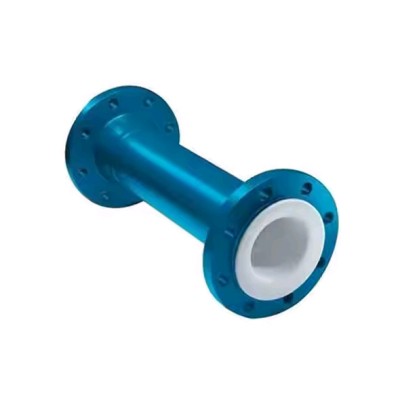
PTFE, or polytetrafluoroethylene, is a synthetic fluoropolymer known for its exceptional chemical resistance, low friction coefficient, and high temperature tolerance. PTFE lined tubing consists of a layer of PTFE lining inside a metal or plastic outer tube. This combination provides the tubing with the chemical resistance of PTFE while maintaining the structural integrity of the outer tube.
PTFE lined tubing is widely used in various industries, including chemical processing, pharmaceuticals, food and beverage, and semiconductor manufacturing. It is particularly suitable for applications where the transportation of corrosive chemicals is required.


Chemical Resistance of PTFE
PTFE is renowned for its outstanding chemical resistance. It is inert to most chemicals, including acids, bases, solvents, and oxidizing agents. This is due to the strong carbon - fluorine bonds in PTFE, which are highly stable and resistant to chemical attack.
Ammonia is a common chemical used in many industrial processes, such as refrigeration, fertilizer production, and water treatment. It can exist in both gaseous and aqueous forms. When considering the resistance of PTFE lined tubing to ammonia, we need to analyze the behavior of PTFE in the presence of ammonia under different conditions.
Resistance to Gaseous Ammonia
In its gaseous form, ammonia is relatively non - reactive with PTFE. PTFE has excellent resistance to gaseous ammonia at normal temperatures and pressures. The strong carbon - fluorine bonds in PTFE prevent the ammonia molecules from reacting with the polymer chains. This means that PTFE lined tubing can be safely used to transport gaseous ammonia without significant degradation.
However, it is important to note that at extremely high temperatures and pressures, the physical properties of PTFE may change. Although PTFE has a high melting point (around 327°C), under extreme conditions, it may start to lose its structural integrity. But for most industrial applications involving gaseous ammonia, PTFE lined tubing provides reliable service.
Resistance to Aqueous Ammonia
Aqueous ammonia, also known as ammonia solution or ammonium hydroxide, is a weak base. PTFE is also highly resistant to aqueous ammonia. The chemical structure of PTFE makes it impervious to the attack of the hydroxide ions present in the ammonia solution.
Even in concentrated ammonia solutions, PTFE lined tubing maintains its chemical stability. This is a significant advantage in applications where ammonia solutions are used for cleaning, etching, or other chemical processes. For example, in the semiconductor industry, ammonia solutions are used for wafer cleaning, and PTFE lined tubing can be used to transport these solutions without fear of corrosion.
Advantages of Using PTFE Lined Tubing for Ammonia Applications
- Chemical Resistance: As discussed above, PTFE lined tubing offers excellent resistance to both gaseous and aqueous ammonia, ensuring long - term reliability in ammonia - related applications.
- Low Friction: PTFE has a very low friction coefficient, which means that the flow of ammonia through the tubing is smooth. This reduces the energy consumption required for pumping and also minimizes the risk of blockages.
- High Temperature Tolerance: PTFE can withstand relatively high temperatures, allowing PTFE lined tubing to be used in applications where ammonia is processed at elevated temperatures.
- Hygienic: PTFE is a non - reactive and non - toxic material, making it suitable for applications in the food and beverage and pharmaceutical industries, where ammonia may be used in certain processes.
Applications of PTFE Lined Tubing in Ammonia - Related Processes
- Chemical Processing: In chemical plants where ammonia is used as a reactant or a solvent, PTFE lined tubing can be used to transport ammonia safely and efficiently. For example, in the production of fertilizers, ammonia is a key raw material, and PTFE lined tubing can be used to transfer ammonia between different processing units.
- Refrigeration: Ammonia is a common refrigerant in industrial refrigeration systems. PTFE lined tubing can be used in the refrigerant lines to prevent corrosion and ensure the long - term performance of the refrigeration system.
- Water Treatment: Ammonia is used in water treatment processes for pH adjustment and disinfection. PTFE lined tubing can be used to transport ammonia solutions in water treatment plants, ensuring the safety and reliability of the process.
Our PTFE Lined Tubing Products
We offer a wide range of PTFE lined tubing products, including PTFE Lined Tubing, Anti Corrosion PTFE Teflon Tube, and Plastic PTFE Lined Steel Pipe. Our products are manufactured using high - quality PTFE materials and advanced production techniques to ensure the highest level of chemical resistance and performance.
Conclusion
In conclusion, PTFE lined tubing is highly resistant to both gaseous and aqueous ammonia. Its excellent chemical resistance, low friction, high temperature tolerance, and hygienic properties make it an ideal choice for applications involving ammonia. Whether you are in the chemical processing, refrigeration, or water treatment industry, our PTFE lined tubing products can provide reliable solutions for your ammonia - related needs.
If you are interested in our PTFE lined tubing products and would like to discuss your specific requirements, please feel free to contact us for a detailed consultation and procurement negotiation.
References
- "Handbook of Fluoropolymer Science and Technology" by Harry Allcock, Frederick Lampe, and Joseph Mark.
- "Chemical Resistance of Plastics and Elastomers" by Charles A. Harper.