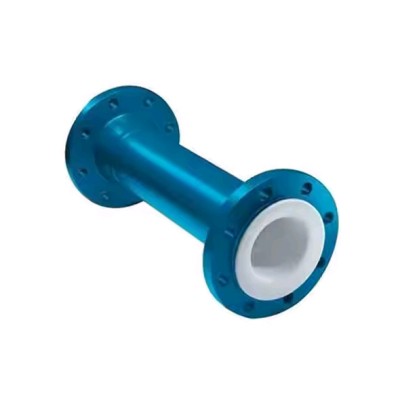
Hey there! As a supplier of DN800 tees, I often get asked if these tees can be used in power plant pipelines. Well, let's dive right into this topic and figure it out together.
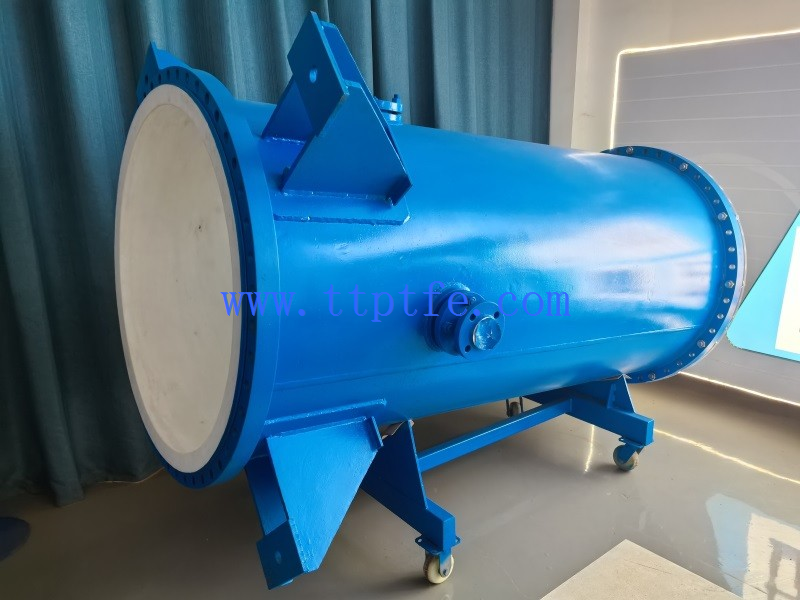

First off, what exactly is a DN800 tee? The "DN" stands for "Diamètre Nominal" in French, which is basically a standard sizing system for pipes and fittings. In simple terms, a DN800 tee is a tee - shaped fitting with a nominal diameter of 800 millimeters. It's used to connect three pipes at a 90 - degree angle, allowing the flow of fluids or gases to split or combine within a pipeline system.
Now, power plant pipelines have some pretty specific requirements. They need to handle high - pressure, high - temperature fluids or gases. The substances flowing through these pipelines can be steam, water, or various chemicals depending on the type of power plant, like coal - fired, gas - fired, or nuclear. So, can a DN800 tee cut it?
Material Considerations
The material of the DN800 tee is crucial. In power plants, we're talking about harsh operating conditions. For high - temperature applications, materials like stainless steel or alloy steel are often preferred. These materials have excellent heat resistance and can withstand the thermal stresses that come with high - temperature fluids. For example, if you have a steam pipeline in a power plant, the steam can reach extremely high temperatures. A DN800 tee made of low - quality material might warp or crack under such conditions, leading to leaks and potential safety hazards.
On the chemical side, if the pipeline is carrying chemicals, the tee needs to be resistant to corrosion. Some power plants use chemicals for water treatment or in the combustion process. A tee made of a material that's not corrosion - resistant will start to degrade over time. This can not only affect the performance of the pipeline but also contaminate the fluid flowing through it.
Pressure Ratings
Power plant pipelines operate at high pressures. The DN800 tee we supply is designed to handle certain pressure ratings. Before using it in a power plant, it's essential to match the tee's pressure rating with the pressure in the pipeline. If the pressure in the pipeline exceeds the tee's rating, it can cause catastrophic failure. This could result in not only costly repairs but also pose a significant risk to the safety of the power plant workers.
Flow Characteristics
The flow of fluids or gases in a power plant pipeline is carefully engineered. A DN800 tee can have an impact on the flow characteristics. The design of the tee needs to ensure that there are no excessive pressure drops or turbulence. Excessive pressure drops can reduce the efficiency of the power plant, as more energy is needed to maintain the flow. Turbulence can cause erosion and vibration in the pipeline, which can also lead to long - term problems.
Installation and Compatibility
Another important aspect is the installation and compatibility of the DN800 tee. It needs to be installed correctly to ensure proper performance. It should also be compatible with the other components in the pipeline system, like valves and pumps. In a power plant, the pipeline system is a complex network, and every component needs to work together seamlessly.
However, as a supplier, I also offer a range of related products that might be useful in power plant pipelines. For instance, if you're looking for a Steel Lined PTFE Concentric Reducer, we've got you covered. This type of reducer can be used to change the diameter of the pipeline while maintaining a smooth flow, which is often required in power plant systems.
Also, the PTFE Tower Section is a great addition for power plants dealing with chemical processes. PTFE (Polytetrafluoroethylene) is known for its excellent chemical resistance and low friction, making it suitable for handling corrosive chemicals.
And if you need a DN600 PTFE product, well, we have those as well. These can be used in smaller pipelines or in systems where a different diameter is required.
So, to answer the question "Can a DN800 tee be used in a power plant pipeline?", the answer is yes, but with careful consideration. You need to make sure that the tee meets the material, pressure, flow, and compatibility requirements of the specific power plant pipeline.
If you're in the market for a DN800 tee or any of our other products, I'd love to have a chat with you. Whether you're building a new power plant or upgrading an existing one, we can work together to find the best solutions for your pipeline needs. Contact us to start the procurement process and let's get the ball rolling on your project!
References
- "Pipeline Engineering for the Oil and Gas Industries" by John Palmer and Richard Lamb
- "Power Plant Engineering" by P. K. Nag