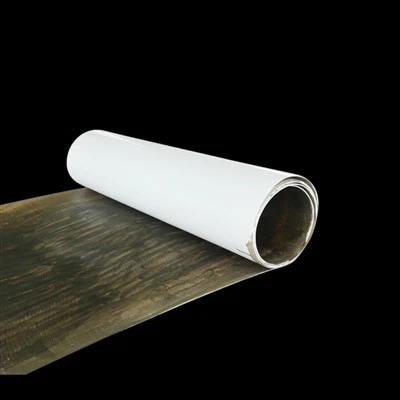
Marking PTFE pneumatic tubing is a crucial process for a PTFE pneumatic tubing supplier like me. It not only helps in product identification but also provides essential information for end - users. In this blog, I will share how I mark PTFE pneumatic tubing, considering various factors such as the type of PTFE tubing, the marking methods, and the significance of proper marking.
Understanding Different Types of PTFE Pneumatic Tubing
Before diving into the marking process, it's important to understand the different types of PTFE pneumatic tubing we supply. We offer a wide range of PTFE tubing products, including Thin Wall PTFE Tubing, PTFE Tubing, and Black Graphite Teflon Tubing.
Thin Wall PTFE Tubing: This type of tubing is known for its flexibility and lightweight nature. It's often used in applications where space is limited and a more delicate tubing is required. The thin walls make it suitable for low - pressure pneumatic systems.
PTFE Tubing: General - purpose PTFE tubing is widely used in various industries. It has excellent chemical resistance, high - temperature stability, and low friction coefficient. This makes it a popular choice for pneumatic applications where reliable fluid transfer is needed.
Black Graphite Teflon Tubing: This tubing is enhanced with graphite, which gives it better conductivity and improved wear resistance. It is commonly used in applications where static electricity needs to be dissipated or in environments with high abrasion.


Key Information to Mark on PTFE Pneumatic Tubing
When marking PTFE pneumatic tubing, several pieces of information are essential to include:
- Product Name and Type: Clearly indicating the name and type of the tubing, such as "Thin Wall PTFE Tubing", helps customers quickly identify the specific product they need.
- Size and Dimensions: Marking the inner diameter (ID), outer diameter (OD), and wall thickness of the tubing is crucial. This information ensures that the tubing fits correctly into the intended pneumatic system.
- Pressure Rating: The maximum pressure the tubing can withstand is a vital safety parameter. Customers need this information to use the tubing within its safe operating limits.
- Temperature Range: PTFE has good temperature stability, but different applications may require tubing that can operate within specific temperature ranges. Marking the temperature limits helps users avoid using the tubing in unsuitable conditions.
- Manufacturer Information: Including the name of the manufacturer and other contact details can help customers reach out for further information, technical support, or to place additional orders.
Marking Methods
There are several methods available for marking PTFE pneumatic tubing, and each method has its own advantages and limitations.
Printing:
- Inkjet Printing: This is a popular method for marking PTFE tubing. It offers high - speed and high - precision marking. Inkjet printers can apply clear and permanent markings, and the ink can be formulated to adhere well to the PTFE surface. We usually choose inkjet printing for marking detailed information such as batch numbers, barcodes, and small text.
- Pad Printing: Pad printing is suitable for marking simple logos, symbols, or small areas on the tubing. It involves transferring ink from a pad to the tubing surface. The advantage of pad printing is that it can achieve good contrast and is relatively cost - effective for small - scale production.
Engraving:
- Laser Engraving: Laser engraving creates a permanent and high - quality mark on the PTFE tubing. It works by ablating the surface of the tubing to create a contrast between the engraved area and the surrounding material. Laser engraving can produce fine - detailed markings, making it suitable for marking serial numbers, traceability information, and high - precision graphics. However, it is relatively more expensive than other marking methods and requires specialized equipment.
Factors Influencing the Choice of Marking Method
- Appearance Requirements: If a smooth and aesthetically pleasing appearance is desired, inkjet printing may be the best choice as it does not damage the surface of the tubing. In contrast, laser engraving creates a slightly rough surface, which may not be suitable for applications where a smooth finish is crucial.
- Marking Durability: For tubing that will be exposed to harsh environments, such as high - temperature, high - pressure, or chemically aggressive conditions, laser engraving or a high - quality inkjet printing with resistant ink is recommended to ensure the mark remains legible over time.
- Production Volume: For large - scale production, high - speed marking methods like inkjet printing are more efficient. Pad printing is more suitable for small - batch or custom - marked tubing.
Quality Control in Marking
As a PTFE pneumatic tubing supplier, quality control in marking is of utmost importance. We have a strict quality control process to ensure that all markings are clear, accurate, and durable.
- Pre - Marking Inspection: Before marking, we inspect the tubing for any surface defects or contaminants that could affect the quality of the mark. The tubing is thoroughly cleaned to ensure proper adhesion of the ink or a smooth surface for engraving.
- Marking Process Monitoring: During the marking process, we continuously monitor the marking equipment to ensure consistent quality. Parameters such as ink flow rate, laser power, and printing speed are carefully adjusted and monitored.
- Post - Marking Inspection: After marking, each piece of tubing is visually inspected to ensure that the markings are legible, complete, and in the correct position. We also perform durability tests, such as rubbing the marked area with a cloth to check for ink adhesion or ensuring that the engraved mark remains clear after exposure to simulated environmental conditions.
Significance of Proper Marking
Proper marking of PTFE pneumatic tubing offers several benefits:
- Product Identification: Marking allows customers to easily identify the specific type and size of the tubing, reducing the risk of incorrect installation or use.
- Safety Assurance: By clearly indicating the pressure rating and temperature range, users can operate the tubing within safe limits, minimizing the risk of accidents and equipment failures.
- Traceability: Marks such as batch numbers and serial numbers enable us to track the production history of each piece of tubing. This is important for quality control, recalls, and after - sales service.
- Brand Recognition: A well - marked logo and manufacturer information can enhance brand recognition and build trust with customers.
Conclusion
Marking PTFE pneumatic tubing is a multi - faceted process that requires careful consideration of the tubing type, the information to be marked, the marking method, and quality control. At our company, we strive to provide high - quality marked PTFE pneumatic tubing that meets the needs of our customers. Whether you need Thin Wall PTFE Tubing, PTFE Tubing, or Black Graphite Teflon Tubing, we can offer customized and reliable marking solutions.
If you are interested in our PTFE pneumatic tubing products or have any questions about marking, please feel free to contact us for further discussion and procurement negotiation. We are committed to providing you with the best products and services.
References
- "Handbook of Fluoropolymer Science and Technology" by John Scheirs and Thomas M. Kemmer
- Industry standards and guidelines for pneumatic tubing marking