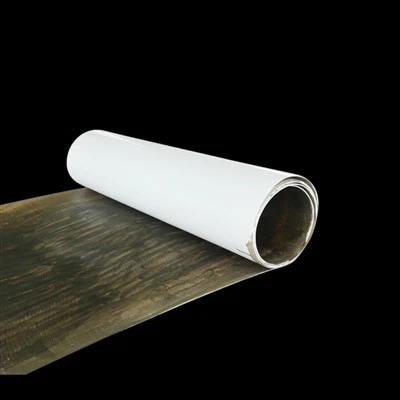
Hey there! As a supplier of plastic PTFE plates, I've seen firsthand the amazing advantages these products bring to the table. In this blog post, I'm gonna break down the key benefits of plastic PTFE plates and why they're a great choice for a wide range of applications.
1. Exceptional Chemical Resistance
One of the most significant advantages of plastic PTFE plates is their outstanding chemical resistance. PTFE, or polytetrafluoroethylene, is known for its ability to withstand a wide variety of chemicals, including acids, bases, and solvents. This makes PTFE plates ideal for use in industries where exposure to harsh chemicals is common, such as the chemical processing, pharmaceutical, and food and beverage industries.
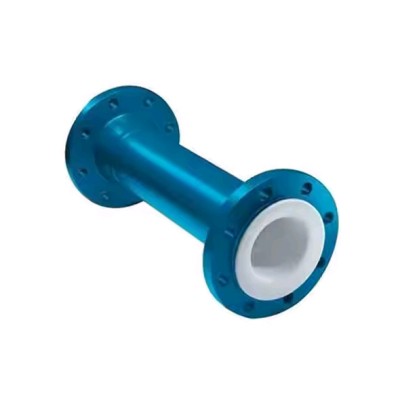
For example, in a chemical processing plant, PTFE plates can be used as linings for tanks and pipes to prevent corrosion and contamination. In the pharmaceutical industry, PTFE plates can be used in the production of drugs and medical devices, where they need to be resistant to a variety of chemicals and solvents. And in the food and beverage industry, PTFE plates can be used in food processing equipment, where they need to be resistant to acids, bases, and other chemicals used in the manufacturing process.
2. Low Friction Coefficient
Another major advantage of plastic PTFE plates is their low friction coefficient. PTFE is one of the slipperiest materials known to man, which means that PTFE plates have a very low coefficient of friction. This makes them ideal for use in applications where low friction is required, such as bearings, slides, and seals.
For example, in a manufacturing plant, PTFE plates can be used as bearings in machinery to reduce friction and wear. In a transportation application, PTFE plates can be used as slides in conveyor systems to reduce friction and improve efficiency. And in a sealing application, PTFE plates can be used as gaskets to prevent leaks and reduce friction.
3. High Temperature Resistance
Plastic PTFE plates also have excellent high temperature resistance. PTFE can withstand temperatures up to 260°C (500°F) without losing its physical or chemical properties. This makes PTFE plates ideal for use in applications where high temperatures are involved, such as in the aerospace, automotive, and electronics industries.
For example, in an aerospace application, PTFE plates can be used in engine components to withstand high temperatures and reduce friction. In an automotive application, PTFE plates can be used in brake systems to reduce friction and improve performance. And in an electronics application, PTFE plates can be used in circuit boards to withstand high temperatures and prevent electrical interference.
4. Electrical Insulation Properties
PTFE is also an excellent electrical insulator. PTFE plates have a high dielectric strength, which means that they can withstand high voltages without conducting electricity. This makes PTFE plates ideal for use in electrical applications, such as in the production of circuit boards, electrical cables, and electronic components.


For example, in a circuit board, PTFE plates can be used as a substrate to provide electrical insulation and support for the electronic components. In an electrical cable, PTFE plates can be used as an insulator to prevent electrical interference and improve the performance of the cable. And in an electronic component, PTFE plates can be used as a housing to protect the component from electrical interference and environmental factors.
5. Non-Stick Properties
Finally, plastic PTFE plates have excellent non-stick properties. PTFE is known for its ability to repel water, oil, and other substances, which means that PTFE plates are very easy to clean and maintain. This makes PTFE plates ideal for use in applications where non-stick properties are required, such as in the food and beverage industry, the packaging industry, and the medical industry.
For example, in a food processing plant, PTFE plates can be used as conveyor belts to prevent food from sticking and to make cleaning easier. In a packaging industry, PTFE plates can be used as molds to prevent the product from sticking and to improve the quality of the packaging. And in a medical industry, PTFE plates can be used as surgical instruments to prevent tissue from sticking and to reduce the risk of infection.
Conclusion
In conclusion, plastic PTFE plates offer a wide range of advantages, including exceptional chemical resistance, low friction coefficient, high temperature resistance, electrical insulation properties, and non-stick properties. These advantages make PTFE plates a great choice for a wide range of applications, from chemical processing and pharmaceutical manufacturing to aerospace and electronics.
If you're interested in learning more about our plastic PTFE plates, or if you have any questions about our products or services, please don't hesitate to contact us. We'd be happy to help you find the right PTFE plate for your application and to provide you with a quote.
You can also check out our Tetrafluoro Sodium Plate, Filled PTFE Sheet, and PTFE Sodium Sheet for more options.
References
- "Polytetrafluoroethylene (PTFE) - Properties, Applications, and Manufacturing." AZoM.com.
- "PTFE: The Slippery Solution." Chemical Engineering Progress.
- "The Many Uses of PTFE." PlasticsToday.com.