When it comes to DN 800 tees, the choice of materials is a critical factor that can significantly impact the performance, durability, and cost of a piping system. As a reliable DN 800 tee supplier, I understand the importance of selecting the right materials for different applications. In this blog, I will explore the commonly used materials for DN 800 tees, their properties, and their suitability for various industries.
Carbon Steel
Carbon steel is one of the most widely used materials for DN 800 tees due to its excellent strength, durability, and affordability. It is composed primarily of iron and carbon, with small amounts of other elements such as manganese, silicon, and sulfur. Carbon steel tees can be further classified into different grades based on their carbon content and mechanical properties.
- Low Carbon Steel: Low carbon steel, also known as mild steel, contains less than 0.3% carbon. It is relatively soft and ductile, making it easy to fabricate and weld. Low carbon steel DN 800 tees are commonly used in general-purpose applications where corrosion resistance is not a major concern, such as water supply, drainage, and HVAC systems.
- Medium Carbon Steel: Medium carbon steel contains between 0.3% and 0.6% carbon. It has higher strength and hardness than low carbon steel, but it is also less ductile. Medium carbon steel DN 800 tees are often used in applications where higher strength is required, such as structural piping and machinery.
- High Carbon Steel: High carbon steel contains more than 0.6% carbon. It has the highest strength and hardness among carbon steels, but it is also the least ductile. High carbon steel DN 800 tees are typically used in applications where wear resistance is critical, such as mining, construction, and agriculture.
One of the main advantages of carbon steel DN 800 tees is their relatively low cost compared to other materials. However, carbon steel is prone to corrosion in the presence of moisture and oxygen, especially in harsh environments. To prevent corrosion, carbon steel tees can be coated with a protective layer such as paint, epoxy, or zinc.
Stainless Steel
Stainless steel is another popular material for DN 800 tees, especially in applications where corrosion resistance is a primary concern. Stainless steel is an alloy of iron, chromium, and other elements, which forms a passive oxide layer on its surface that protects it from corrosion.
- Austenitic Stainless Steel: Austenitic stainless steel is the most commonly used type of stainless steel for DN 800 tees. It contains a high percentage of chromium and nickel, which gives it excellent corrosion resistance in a wide range of environments, including acidic, alkaline, and marine environments. Austenitic stainless steel tees are non-magnetic and have good ductility and weldability. They are commonly used in food processing, pharmaceutical, chemical, and petrochemical industries.
- Ferritic Stainless Steel: Ferritic stainless steel contains a lower percentage of nickel than austenitic stainless steel, but it has a higher percentage of chromium. It is magnetic and has good corrosion resistance in mild environments, such as indoor and outdoor applications. Ferritic stainless steel DN 800 tees are often used in architectural, automotive, and appliance industries.
- Martensitic Stainless Steel: Martensitic stainless steel contains a high percentage of carbon and chromium, which gives it high strength and hardness. It is magnetic and has good corrosion resistance in some environments, but it is less corrosion-resistant than austenitic and ferritic stainless steels. Martensitic stainless steel DN 800 tees are typically used in applications where high strength and wear resistance are required, such as cutlery, tools, and machinery.
The main advantage of stainless steel DN 800 tees is their excellent corrosion resistance, which makes them suitable for use in harsh environments. However, stainless steel is more expensive than carbon steel, and it requires special welding techniques to maintain its corrosion resistance.

Ductile Iron
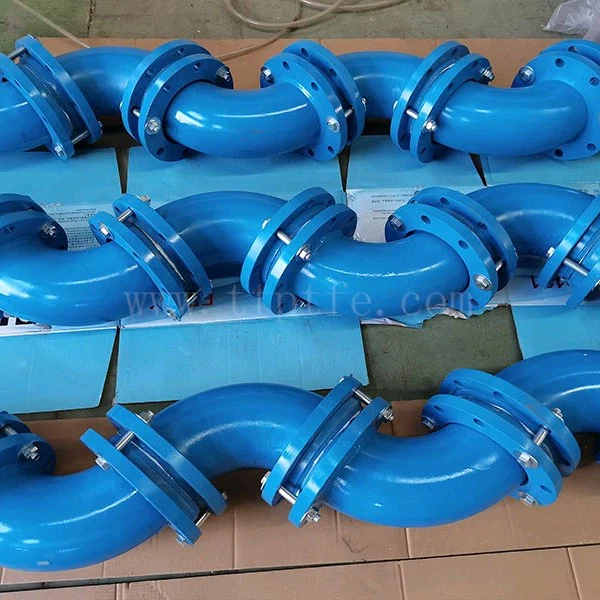
Ductile iron, also known as nodular cast iron or spheroidal graphite iron, is a type of cast iron that has a higher ductility and toughness than traditional cast iron. It is made by adding small amounts of magnesium or cerium to molten iron, which causes the graphite to form in spherical nodules rather than flakes.
- Properties: Ductile iron has excellent mechanical properties, including high strength, ductility, and impact resistance. It is also resistant to corrosion and abrasion, making it suitable for use in a wide range of applications. Ductile iron DN 800 tees are commonly used in water and wastewater treatment plants, fire protection systems, and underground piping systems.
- Advantages: One of the main advantages of ductile iron DN 800 tees is their relatively low cost compared to other materials such as stainless steel. They are also easy to install and maintain, and they have a long service life. Additionally, ductile iron is a recyclable material, which makes it an environmentally friendly choice.
PTFE Lined Materials
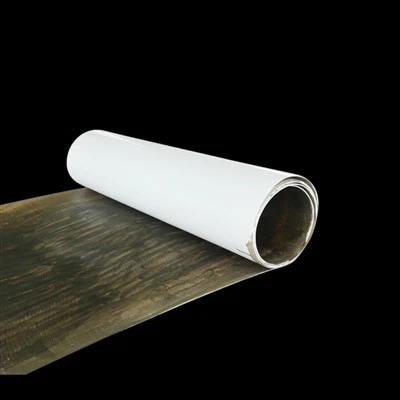
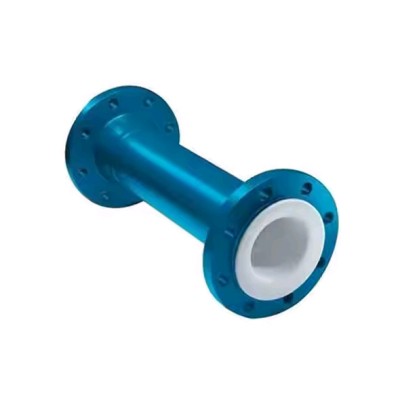
PTFE (polytetrafluoroethylene) is a synthetic fluoropolymer that is known for its excellent chemical resistance, low friction coefficient, and high temperature resistance. PTFE lined DN 800 tees are commonly used in applications where corrosion resistance and chemical compatibility are critical, such as chemical processing, pharmaceutical, and food industries.
- PTFE Lined Instrument Tee: For applications where precise measurement and control are required, PTFE Lined Instrument Tee can be a great choice. These tees are designed to provide a reliable and accurate connection for instruments such as sensors and valves, while also protecting them from corrosion and chemical damage.
- PTFE Lined Chemical Storage Tank: In chemical storage applications, PTFE Lined Chemical Storage Tank can offer superior protection against corrosion and leakage. The PTFE lining provides a barrier between the chemical and the tank wall, preventing chemical reactions and extending the lifespan of the tank.
- Lined Pipe Fittings: Lined Pipe Fittings are another option for applications where corrosion resistance is a concern. These fittings are lined with PTFE or other corrosion-resistant materials, providing a reliable and long-lasting solution for piping systems.
Conclusion
In conclusion, the choice of materials for DN 800 tees depends on a variety of factors, including the application, operating conditions, and budget. Carbon steel is a popular choice for general-purpose applications due to its low cost and high strength. Stainless steel is preferred for applications where corrosion resistance is a primary concern. Ductile iron offers a good balance of strength, ductility, and cost, making it suitable for a wide range of applications. PTFE lined materials are ideal for applications where chemical resistance and compatibility are critical.
As a DN 800 tee supplier, I can provide you with high-quality tees made from a variety of materials to meet your specific requirements. If you have any questions or need further information about DN 800 tees, please feel free to contact me for a detailed discussion. We are committed to providing you with the best solutions and excellent service to ensure the success of your projects.
References
- ASME B16.9 - Factory-Made Wrought Buttwelding Fittings
- ASTM A234 - Standard Specification for Piping Fittings of Wrought Carbon Steel and Alloy Steel for Moderate and High-Temperature Service
- ASTM A351 - Standard Specification for Castings, Austenitic, for Pressure-Containing Parts
- ASTM A536 - Standard Specification for Ductile Iron Castings
- ISO 15590-2 - Plastics Pipes and Fittings - Fluoroplastics (FP) Materials - Part 2: Requirements for Moulding and Extrusion Materials