Is Teflon PTFE Sheet Resistant to Microbial Growth?
As a supplier of Teflon PTFE sheets, I often encounter questions from customers about the properties of our products, especially regarding their resistance to microbial growth. This is a crucial topic, particularly in industries where hygiene and sterility are of utmost importance, such as food processing, pharmaceuticals, and medical device manufacturing. In this blog post, I will delve into the science behind Teflon PTFE sheets and their potential to resist microbial growth.
Understanding Teflon PTFE Sheets
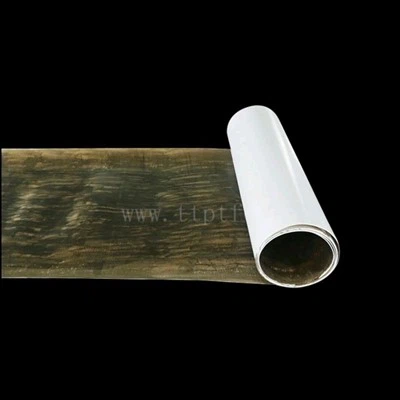
Teflon is a brand name for polytetrafluoroethylene (PTFE), a synthetic fluoropolymer known for its exceptional chemical resistance, low friction coefficient, and high heat resistance. PTFE sheets are widely used in various industries due to their unique properties. They are available in different forms, including Expanded PTFE Sheet and PTFE Sodium Sheet, each with its own set of characteristics and applications.
The molecular structure of PTFE is highly stable, consisting of carbon atoms surrounded by fluorine atoms. This structure gives PTFE its non-stick properties and makes it resistant to most chemicals. The strong carbon-fluorine bonds are difficult to break, which contributes to the material's durability and inertness.
Microbial Growth and Its Impact
Microbial growth can cause a range of problems in industrial settings. Bacteria, fungi, and other microorganisms can contaminate products, leading to spoilage, reduced shelf life, and potential health risks. In addition, microbial growth on surfaces can lead to biofilm formation, which can be difficult to remove and may cause corrosion and damage to equipment.


To prevent microbial growth, industries often rely on materials that are resistant to microorganisms or use antimicrobial agents. However, not all materials are equally effective in preventing microbial growth, and the choice of material depends on various factors, such as the type of microorganisms present, the environmental conditions, and the specific application.
Factors Affecting Microbial Growth on Teflon PTFE Sheets
Several factors can influence the ability of Teflon PTFE sheets to resist microbial growth. One of the key factors is the surface properties of the material. PTFE has a low surface energy, which means that it is difficult for microorganisms to adhere to its surface. The non-stick nature of PTFE prevents the formation of biofilms, as microorganisms have a hard time attaching and growing on the smooth surface.
Another important factor is the chemical resistance of PTFE. Most microorganisms require specific nutrients and environmental conditions to grow. PTFE is resistant to most chemicals, including acids, bases, and solvents, which means that it does not provide a suitable environment for microbial growth. In addition, PTFE is not biodegradable, which further reduces the risk of microbial contamination.
However, it is important to note that while PTFE is generally resistant to microbial growth, it is not completely immune. Under certain conditions, such as high humidity or the presence of organic matter, microorganisms may still be able to grow on PTFE surfaces. In addition, if the surface of the PTFE sheet is damaged or scratched, it may provide a foothold for microorganisms to attach and grow.
Scientific Studies on Microbial Resistance of Teflon PTFE Sheets
Numerous scientific studies have been conducted to evaluate the microbial resistance of Teflon PTFE sheets. These studies have generally shown that PTFE has a high level of resistance to microbial growth. For example, a study published in the Journal of Applied Microbiology found that PTFE surfaces had significantly lower bacterial adhesion compared to other materials, such as stainless steel and polyethylene.
Another study conducted by researchers at the University of California, Davis, investigated the effectiveness of PTFE coatings in preventing biofilm formation on medical devices. The results showed that PTFE coatings reduced biofilm formation by up to 90% compared to uncoated surfaces.
However, it is important to interpret these results in the context of the specific experimental conditions. The effectiveness of PTFE in preventing microbial growth may vary depending on the type of microorganisms, the environmental conditions, and the duration of exposure.
Applications of Teflon PTFE Sheets in Microbe-Sensitive Industries
The resistance of Teflon PTFE sheets to microbial growth makes them suitable for a wide range of applications in industries where hygiene is critical. In the food processing industry, PTFE sheets are used as conveyor belts, gaskets, and seals to prevent contamination of food products. The non-stick properties of PTFE make it easy to clean and sanitize, which helps to maintain a hygienic environment.
In the pharmaceutical industry, PTFE sheets are used in the production of drug delivery systems, such as syringes and vials. The chemical resistance of PTFE ensures that the material does not interact with the drugs, while its microbial resistance helps to prevent contamination.
In the medical device industry, PTFE sheets are used in the manufacturing of implants, catheters, and other medical devices. The non-stick surface of PTFE reduces the risk of blood clotting and infection, while its biocompatibility makes it suitable for use in contact with living tissues.
Maintenance and Cleaning of Teflon PTFE Sheets
To ensure the continued resistance of Teflon PTFE sheets to microbial growth, proper maintenance and cleaning are essential. Regular cleaning helps to remove any organic matter or debris that may accumulate on the surface of the material, which can provide a food source for microorganisms.
When cleaning PTFE sheets, it is important to use mild detergents and avoid abrasive cleaners or tools that may damage the surface. Harsh chemicals can also affect the properties of PTFE, so it is recommended to use cleaning agents that are compatible with the material.
In addition to regular cleaning, it is also important to inspect the PTFE sheets for any signs of damage or wear. If the surface of the sheet is scratched or damaged, it may be necessary to replace it to maintain its microbial resistance.
Conclusion
In conclusion, Teflon PTFE sheets have a high level of resistance to microbial growth due to their unique surface properties and chemical resistance. The low surface energy and non-stick nature of PTFE make it difficult for microorganisms to adhere to its surface, while its chemical stability prevents the formation of a suitable environment for microbial growth.
However, it is important to note that while PTFE is generally resistant to microbial growth, it is not completely immune. Proper maintenance and cleaning are essential to ensure the continued effectiveness of PTFE sheets in preventing microbial contamination.
If you are interested in purchasing Teflon PTFE sheets for your specific application, I encourage you to contact us for more information. Our team of experts can help you choose the right type of PTFE sheet based on your requirements and provide you with detailed information about its properties and applications. We are committed to providing high-quality products and excellent customer service, and we look forward to working with you.
References
- Journal of Applied Microbiology, "Comparison of bacterial adhesion to different polymer surfaces"
- University of California, Davis, "Effectiveness of PTFE coatings in preventing biofilm formation on medical devices"