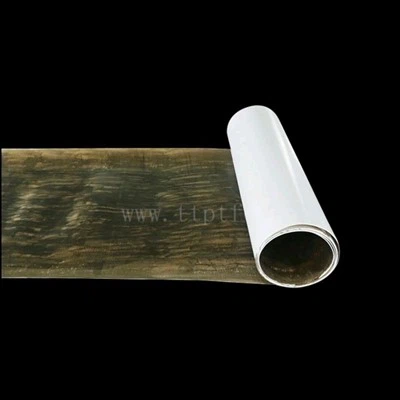
PTFE (Polytetrafluoroethylene), commonly known as Teflon, is a remarkable synthetic fluoropolymer of tetrafluoroethylene. PTFE Teflon tubing is widely used in various industries due to its outstanding properties, especially its excellent electrical insulation characteristics. As a leading PTFE Teflon tubing supplier, I am excited to delve into the details of its electrical insulation property and explore its significance in different applications.
Understanding the Basics of Electrical Insulation
Electrical insulation refers to the ability of a material to resist the flow of electric current. In electrical systems, insulators are crucial as they prevent the unwanted flow of electricity, ensuring the safety and proper functioning of the equipment. Good electrical insulators have high resistivity, which means they do not allow electrons to move freely through them.
Why PTFE Teflon Tubing is an Excellent Electrical Insulator
High Dielectric Strength
One of the key factors that make PTFE Teflon tubing an outstanding electrical insulator is its high dielectric strength. Dielectric strength is the maximum electric field that a material can withstand without breaking down and allowing current to flow. PTFE has a very high dielectric strength, typically in the range of 100 - 300 kV/mm. This means that it can withstand high voltages without experiencing electrical breakdown, making it suitable for use in high - voltage applications.
For example, in power transmission and distribution systems, PTFE Teflon tubing can be used to insulate high - voltage cables and connectors. Its high dielectric strength ensures that the cables can carry large amounts of electrical power safely without the risk of short - circuits or electrical failures.
Low Dielectric Constant
The dielectric constant, also known as relative permittivity, is a measure of how much a material can store electrical energy in an electric field. PTFE has a very low dielectric constant, usually around 2.0 - 2.1. A low dielectric constant means that PTFE Teflon tubing has a minimal effect on the electrical properties of the surrounding environment.
In high - frequency applications, such as in telecommunications and radar systems, a low dielectric constant is essential. It helps to reduce signal loss and interference, ensuring that the electrical signals can be transmitted accurately and efficiently. For instance, in coaxial cables used for high - speed data transmission, PTFE Teflon tubing is often used as the insulating layer to maintain the integrity of the signal.
Low Dissipation Factor
The dissipation factor, also called the loss tangent, is a measure of the energy loss in a dielectric material when it is subjected to an alternating electric field. PTFE has an extremely low dissipation factor, typically less than 0.0002 at room temperature. This low dissipation factor means that PTFE Teflon tubing generates very little heat when exposed to an alternating electric field.
In applications where heat generation can be a problem, such as in high - power electronic devices, the low dissipation factor of PTFE Teflon tubing is a significant advantage. It helps to prevent overheating and ensures the long - term reliability of the electrical components.
Applications of PTFE Teflon Tubing Based on its Electrical Insulation Property
Electrical and Electronic Industry
In the electrical and electronic industry, PTFE Teflon tubing is widely used for insulation purposes. It can be found in printed circuit boards (PCBs), where it is used to insulate the conductive traces and prevent short - circuits. PTFE tubing is also used in electronic connectors, where its excellent electrical insulation properties ensure reliable electrical connections.
Moreover, in semiconductor manufacturing, PTFE Teflon tubing is used to insulate the high - voltage power supplies and cables. Its high dielectric strength and low electrical losses are crucial for maintaining the precision and stability of the manufacturing process.
Aerospace and Aviation Industry
The aerospace and aviation industry demands materials that can withstand extreme conditions while providing excellent electrical insulation. PTFE Teflon tubing meets these requirements. It is used in aircraft wiring systems to insulate the electrical cables, protecting them from high - altitude radiation, temperature variations, and mechanical vibrations.
In addition, PTFE tubing is used in avionics systems, where its low dielectric constant and dissipation factor are essential for ensuring accurate signal transmission in the complex electrical environment of an aircraft.
Medical Industry
In the medical industry, PTFE Teflon tubing is used in various electrical medical devices. For example, in electro - surgical instruments, PTFE tubing is used to insulate the electrical conductors, preventing electrical leakage and ensuring the safety of the patients and medical staff. Its biocompatibility also makes it suitable for use in medical applications where it may come into contact with the human body.

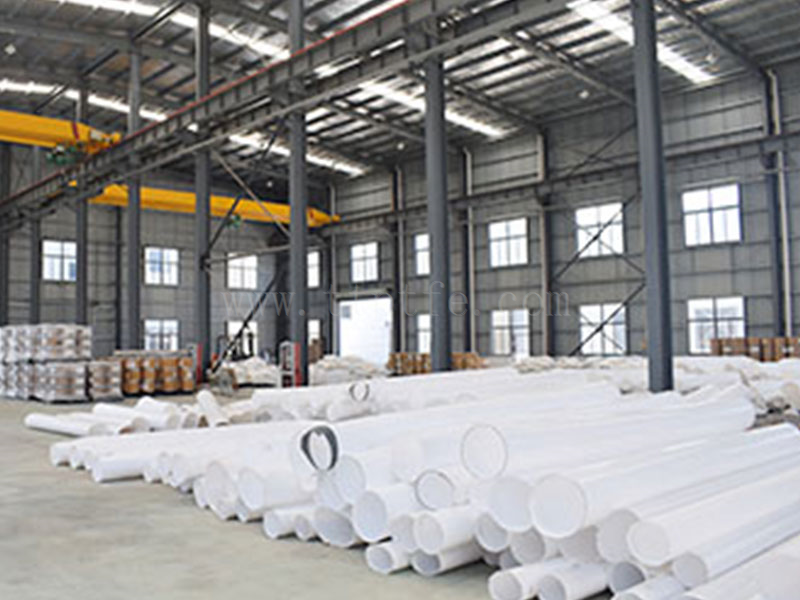
Different Types of PTFE Teflon Tubing for Electrical Insulation
Bronze Filled PTFE
Bronze filled PTFE tubing offers enhanced mechanical properties while still maintaining good electrical insulation characteristics. The addition of bronze particles improves the wear resistance and dimensional stability of the tubing. In electrical applications, it can be used in environments where the tubing may be subject to mechanical stress, such as in industrial machinery wiring.
Rigid PTFE Tubing
Rigid PTFE tubing is suitable for applications where a high degree of dimensional accuracy and structural integrity is required. It is often used in high - precision electrical equipment, such as in laboratory instruments and test fixtures. Its rigid nature ensures that it can maintain its shape and position, providing reliable electrical insulation.
Teflon Sleeving Tubing
Teflon sleeving tubing is a flexible option that can be easily installed over existing electrical cables and wires. It provides an additional layer of electrical insulation and protection. It is commonly used in automotive wiring, where it can protect the cables from abrasion, heat, and chemicals while maintaining good electrical insulation.
Conclusion
The electrical insulation property of PTFE Teflon tubing is truly remarkable. Its high dielectric strength, low dielectric constant, and low dissipation factor make it an ideal material for a wide range of electrical and electronic applications. Whether it is in high - voltage power systems, high - frequency telecommunications, or critical medical devices, PTFE Teflon tubing plays a crucial role in ensuring the safety and reliability of electrical systems.
As a PTFE Teflon tubing supplier, we are committed to providing high - quality products that meet the diverse needs of our customers. If you are looking for reliable electrical insulation solutions, we invite you to contact us for more information and to discuss your specific requirements. Our team of experts is ready to assist you in finding the most suitable PTFE Teflon tubing for your applications.
References
- "Handbook of Fluoropolymer Science and Technology" by Harry L. Hung and Joseph Scheirs
- "Electrical Insulation for Rotating Machines" by G. C. Stone, E. A. Boulter, I. Culbert, and L. S. Salameh
- "Polymer Science and Technology" by Gordon Odian