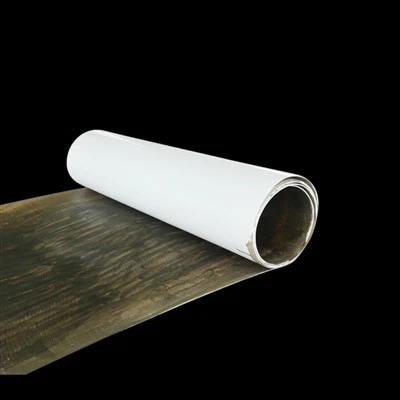
As a reputable PTFE plate supplier, we understand the importance of proper maintenance to ensure the longevity and optimal performance of PTFE plates. PTFE, or polytetrafluoroethylene, is a high-performance plastic material known for its excellent chemical resistance, low friction coefficient, and high temperature tolerance. However, like any other material, PTFE plates require regular maintenance to keep them in good condition. In this blog post, we will discuss the recommended maintenance procedures for PTFE plates.
Regular Cleaning
One of the most basic maintenance procedures for PTFE plates is regular cleaning. Over time, PTFE plates can accumulate dirt, dust, and other contaminants, which can affect their performance. To clean a PTFE plate, you can use a mild detergent and warm water. Avoid using abrasive cleaners or scrubbers, as they can scratch the surface of the PTFE plate and damage its non-stick properties.
Gently wipe the surface of the PTFE plate with a soft cloth or sponge soaked in the soapy water. Rinse the plate thoroughly with clean water to remove any soap residue. After cleaning, dry the plate with a soft towel to prevent water spots from forming.
Avoiding Abrasive Contact
PTFE plates have a smooth, non-stick surface, which makes them ideal for many applications. However, this surface can be easily scratched or damaged by abrasive materials. To prevent damage to the PTFE plate, avoid using sharp or abrasive tools on its surface. When cutting or slicing materials on a PTFE plate, use a sharp knife or blade and apply gentle pressure.
If you need to place heavy objects on the PTFE plate, use a soft padding or cushion to prevent scratching. Avoid dragging or sliding rough objects across the surface of the PTFE plate, as this can cause abrasion and damage.
Protecting from Chemical Exposure
PTFE is known for its excellent chemical resistance, but it can still be affected by certain chemicals. To protect the PTFE plate from chemical damage, avoid exposing it to strong acids, bases, or solvents. If the PTFE plate comes into contact with a chemical, rinse it immediately with clean water to remove the chemical.
When using chemicals near the PTFE plate, make sure to follow the manufacturer's instructions and take appropriate safety precautions. If you are unsure whether a particular chemical is compatible with PTFE, consult the chemical manufacturer or a PTFE expert.
Inspecting for Damage
Regular inspection is an important part of maintaining PTFE plates. Inspect the PTFE plate regularly for any signs of damage, such as cracks, scratches, or discoloration. If you notice any damage, it is important to address it immediately to prevent further damage and ensure the safety of the PTFE plate.


Small scratches or nicks on the surface of the PTFE plate can usually be repaired by sanding or polishing the affected area. However, if the damage is more severe, such as a large crack or hole, the PTFE plate may need to be replaced.
Storing Properly
Proper storage is also important for maintaining PTFE plates. When not in use, store the PTFE plate in a clean, dry place away from direct sunlight and heat sources. Avoid stacking heavy objects on top of the PTFE plate, as this can cause it to warp or deform.
If you need to store the PTFE plate for an extended period of time, it is recommended to wrap it in a protective material, such as plastic wrap or a soft cloth, to prevent dust and dirt from accumulating on its surface.
Lubrication (if necessary)
In some applications, lubrication may be necessary to ensure the smooth operation of the PTFE plate. However, it is important to use the right type of lubricant, as some lubricants can damage the PTFE material.
When choosing a lubricant for a PTFE plate, look for one that is specifically designed for use with PTFE materials. Silicone-based lubricants are often a good choice, as they are compatible with PTFE and provide excellent lubrication.
Apply the lubricant sparingly to the surface of the PTFE plate, following the manufacturer's instructions. Avoid over-lubricating the plate, as this can attract dirt and dust and cause the lubricant to break down more quickly.
Monitoring Temperature
PTFE plates have a high temperature tolerance, but they can still be affected by extreme temperatures. To ensure the optimal performance of the PTFE plate, it is important to monitor the temperature and avoid exposing it to temperatures outside of its recommended range.
Most PTFE plates can withstand temperatures ranging from -200°C to 260°C (-328°F to 500°F). However, if the temperature exceeds this range, the PTFE plate may start to soften, melt, or degrade.
If you need to use the PTFE plate in a high-temperature environment, make sure to choose a PTFE plate that is specifically designed for high-temperature applications. Additionally, use appropriate insulation or cooling measures to keep the temperature within the recommended range.
Conclusion
Proper maintenance of PTFE plates is essential to ensure their longevity and optimal performance. By following the recommended maintenance procedures, such as regular cleaning, avoiding abrasive contact, protecting from chemical exposure, inspecting for damage, storing properly, lubricating (if necessary), and monitoring temperature, you can keep your PTFE plates in good condition for years to come.
As a PTFE plate supplier, we are committed to providing high-quality PTFE plates and excellent customer service. If you have any questions about PTFE plates or their maintenance, please feel free to contact us. We would be happy to help you choose the right PTFE plate for your application and provide you with the information you need to maintain it properly.
If you are interested in purchasing PTFE plates, we offer a wide range of products, including PTFE Teflon Plate Sheet, Plastic PTFE Plate, and Teflon PTFE Sheet. Contact us today to discuss your requirements and start a procurement negotiation.
References
- "PTFE: Properties, Applications, and Processing." Plastics Technology Handbook, edited by O. Olabisi, CRC Press, 2004.
- "Maintenance and Care of PTFE Products." PTFE Manufacturer's Guide, XYZ Corporation, 2022.
- "Chemical Compatibility of PTFE." Chemical Resistance Handbook, ABC Publishing, 2021.