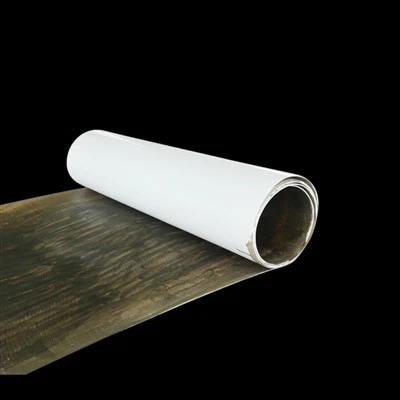
Hey there! As a supplier of PTFE plastic sheets, I often get asked about tear strength. What exactly is the tear strength of PTFE plastic sheet? That's what we're gonna dig into today.
So, first off, let me give you a quick intro to PTFE. PTFE, or polytetrafluoroethylene, is one amazing material. It's super resistant to heat, chemicals, and friction. That's why it's used in so many industries, from electronics to automotive, and even in the food industry.

Tear strength is all about a material's ability to resist tearing. When we talk about PTFE plastic sheets, tear strength is a crucial factor. It tells you how well the sheet can hold up when there's a force trying to rip it apart.
The tear strength of PTFE plastic sheets can vary based on a few things. One big factor is the manufacturing process. Different ways of making PTFE sheets can lead to different tear strengths. For example, if the sheet is made with a more uniform structure during production, it's likely to have better tear resistance.
Another thing that affects tear strength is the thickness of the sheet. Generally speaking, thicker PTFE sheets tend to have higher tear strength. That's because there's more material to resist the tearing force. But it's not always that simple. Sometimes, a thinner sheet with a well - engineered structure can also offer decent tear resistance.
The additives used in the PTFE also play a role. Some manufacturers add certain substances to enhance the properties of the PTFE sheet. These additives can either improve or, in rare cases, slightly decrease the tear strength, depending on what they are and how they interact with the PTFE.
Now, let's talk about why tear strength matters. In applications where the PTFE sheet might be subject to sharp objects or rough handling, a high tear strength is a must. For instance, in industrial settings where the sheet is used as a protective barrier, it needs to be able to withstand any potential tears that might occur during normal operations.
In the medical field, PTFE sheets are sometimes used in surgical applications. Here, the tear strength is important to ensure the integrity of the material during the procedure. If the sheet were to tear easily, it could lead to complications.
If you're in the electronics industry, PTFE sheets are often used for insulation. A sheet with good tear strength can better protect the delicate components from damage caused by accidental tearing.
As a supplier, I know how important it is to offer PTFE sheets with the right tear strength for different applications. That's why we conduct a lot of tests on our products. We use standardized testing methods to measure the tear strength accurately. This way, we can provide our customers with reliable information about the performance of our sheets.
When it comes to comparing tear strength of different PTFE sheets on the market, it's not always easy. There are so many variables involved. But as a tip, look for suppliers who are transparent about their manufacturing processes and testing results. That'll give you a better idea of what you're getting.
Now, I also want to mention some other related PTFE products we offer. We have PTFE Tubing, which is great for fluid transfer applications. It also benefits from the same great properties of PTFE, like chemical resistance.
Our PTFE Heat Shrink Tubing is another popular product. It's used for insulation and protection of wires and cables. And if you're in need of tubing for pneumatic systems, our PTFE Pneumatic Tubing is a top - notch choice.
In conclusion, the tear strength of PTFE plastic sheets is a key property that can greatly impact their performance in various applications. Whether you need high tear strength for heavy - duty industrial use or just a decent level for general applications, we've got you covered as a supplier.
If you're interested in our PTFE plastic sheets or any of our other PTFE products, don't hesitate to reach out. We'd love to have a chat with you about your specific needs and see how we can help. Let's start a conversation and find the perfect PTFE solution for you!
References:
- General knowledge about PTFE materials and manufacturing processes
- Industry standards for testing tear strength of polymers